No products in the cart.

NVIDIA and ServiceNow Unveil Autonomous AI Agents for Enterprises
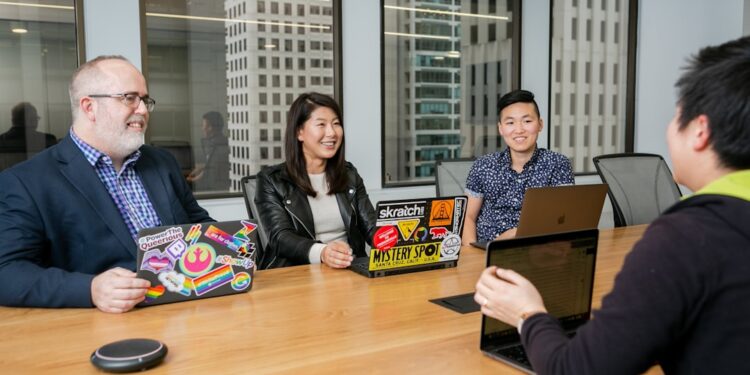
NVIDIA and ServiceNow have partnered to introduce autonomous AI agents that transform enterprise operations. This collaboration promises enhanced efficiency and security in workflows.

NVIDIA and ServiceNow are reshaping the landscape of enterprise operations with their recent collaboration to launch autonomous AI agents. This partnership marks a significant step towards integrating advanced AI capabilities into everyday business processes. By leveraging NVIDIA’s computing power and ServiceNow’s workflow management, these new agents are set to redefine efficiency and governance in the workplace.
The core of this collaboration lies in the development of specialized autonomous agents capable of performing complex tasks autonomously. This initiative aims to address the growing demand for intelligent systems that can seamlessly integrate into existing workflows while ensuring security and accountability. As businesses increasingly rely on automation, the need for robust AI solutions that can adapt to various operational contexts becomes essential.
NVIDIA’s Technological Edge in AI
NVIDIA has long been at the forefront of AI technology, known for its powerful GPUs that drive machine learning and AI applications. The company’s latest innovations focus on enhancing the capabilities of AI agents through advanced computing platforms. The introduction of the NVIDIA Blackwell platform promises over 50 times greater token output per watt, drastically reducing operational costs for enterprises leveraging AI solutions.
This technological superiority is crucial for enterprises looking to implement AI at scale. With lower costs and increased efficiency, companies can deploy AI agents across multiple workflows without the burden of excessive resource consumption. By utilizing NVIDIA’s cutting-edge technology, ServiceNow can offer its clients a more effective and economically viable solution for integrating AI into their operations.
Moreover, NVIDIA’s commitment to open-source frameworks, such as the NVIDIA OpenShell, allows for versatile deployment of AI agents. This approach not only enhances security but also enables organizations to customize agents according to their specific needs, thereby fostering innovation within their workflows. The combination of flexibility and power positions NVIDIA as a leader in the enterprise AI space.
This approach not only enhances security but also enables organizations to customize agents according to their specific needs, thereby fostering innovation within their workflows.
ServiceNow’s Role in Workflow Automation
ServiceNow has been pivotal in transforming enterprise workflows through its cloud-based platform. The company’s introduction of Project Arc, an autonomous desktop agent, exemplifies its commitment to enhancing productivity across business functions. Project Arc is designed to assist knowledge workers by automating repetitive tasks, allowing them to focus on higher-value activities.
You may also like
 Entrepreneurship & Business
Founders’ Networks Unlock Startup Success Secrets
Repeat founders convert prior successes and failures into a powerful flywheel that boosts funding, execution speed, and market insight, reshaping the startup landscape.
Read More →This agent connects seamlessly with ServiceNow’s AI Control Tower, ensuring that every action taken by the autonomous agent is governed and auditable. Such governance is essential for enterprises as it addresses concerns about transparency and accountability in AI operations. With Project Arc, organizations can harness the power of AI while maintaining control over their processes.
Furthermore, the integration of NVIDIA’s AI capabilities with ServiceNow’s platform enhances the functionality of these agents. By utilizing NVIDIA’s domain-specific skills and open models, ServiceNow can provide tailored solutions that meet the unique needs of various industries. This synergy between the two companies not only boosts efficiency but also empowers organizations to innovate and adapt in an ever-evolving business landscape.
Challenges in Implementing Autonomous Agents
The deployment of autonomous AI agents in enterprise settings is not without its challenges. One of the primary hurdles is ensuring that these agents can navigate complex workflows effectively. The collaboration between NVIDIA and ServiceNow aims to develop agents that can handle multistep tasks that traditional automation cannot manage. This capability is crucial as businesses increasingly seek to automate intricate processes that involve multiple systems and stakeholders.
To achieve this, both companies are investing in the NOWAI-Bench, an open benchmarking suite that evaluates the performance of AI agents in real-world scenarios. This tool allows organizations to test and refine their AI systems, ensuring reliability and effectiveness in production environments. The emphasis on rigorous testing and validation helps mitigate risks associated with deploying AI in critical business functions.
Moreover, the introduction of specialized agent skills, such as the NVIDIA AI-Q Blueprint, enables agents to perform targeted tasks across various business functions. This adaptability is vital for organizations that require AI solutions capable of evolving alongside their operational needs. As enterprises strive for greater agility, these innovative features position NVIDIA and ServiceNow as frontrunners in the AI landscape.
Moreover, the introduction of specialized agent skills, such as the NVIDIA AI-Q Blueprint, enables agents to perform targeted tasks across various business functions.
Ethical Considerations in AI Deployment
You may also like
 Entrepreneurship & Business
Exhibit at TechCrunch Disrupt 2026 to Boost Startup Visibility
TechCrunch Disrupt 2026, taking place from October 13-15, 2026, in San Francisco, offers startups a unique opportunity to gain visibility and connect with industry leaders…
Read More →Despite the promising advancements in autonomous AI agents, there are inherent challenges and contradictions that organizations must navigate. One significant concern is the potential for job displacement as AI systems take over routine tasks. Critics argue that while AI can enhance productivity, it may also lead to workforce reductions, creating a paradox of efficiency versus employment.
Additionally, there are ongoing debates regarding the ethical implications of deploying autonomous agents. Questions arise about accountability when an AI agent makes a mistake or is involved in a security breach. Establishing clear governance frameworks that delineate responsibilities between AI systems and human operators is crucial for addressing these concerns. Without such frameworks, organizations may face backlash from stakeholders wary of relinquishing control to machines.

Furthermore, the rapid pace of technological advancement poses a challenge for regulatory bodies. As AI systems become more sophisticated, existing regulations may struggle to keep pace with innovations. This lag can create uncertainty for businesses attempting to adopt new technologies while adhering to compliance standards. Navigating this landscape requires a proactive approach from organizations, ensuring that they remain ahead of regulatory developments while leveraging the benefits of AI.
Preparing for an AI-Driven Future
The future of work is poised for transformation as autonomous AI agents become more prevalent in enterprise environments. As organizations increasingly adopt these technologies, the potential for enhanced efficiency and productivity is enormous. With the backing of NVIDIA’s powerful computing infrastructure and ServiceNow’s workflow management expertise, businesses can expect to see significant improvements in operational performance.
With the backing of NVIDIA’s powerful computing infrastructure and ServiceNow’s workflow management expertise, businesses can expect to see significant improvements in operational performance.
Moreover, the integration of AI agents into everyday tasks will likely change the nature of work itself. Employees may find their roles evolving as routine tasks become automated, allowing them to focus on strategic initiatives and creative problem-solving. This shift could lead to a more engaged and fulfilled workforce, as individuals are empowered to leverage their skills in ways that drive innovation.
You may also like
 Entrepreneurship & Business
AI Funding Surge Sparks Uneven Exit Values
AI funding surged to $505 billion in 2025, but the premium on startup exits stalled. We unpack why cash inflows don’t guarantee higher exit values…
Read More →However, it is essential for organizations to approach this transition thoughtfully. Providing training and support for employees to adapt to new technologies will be critical in ensuring a smooth integration of AI into the workplace. Companies that prioritize employee development alongside technological advancements will be better positioned to thrive in this changing landscape.