No products in the cart.

Congress Examines China’s Influence in U.S. Universities
The Senate scrutinizes foreign funding in U.S. research, focusing on China's role and national security risks.

“`html
The New Frontline: U.S. Universities Under Scrutiny
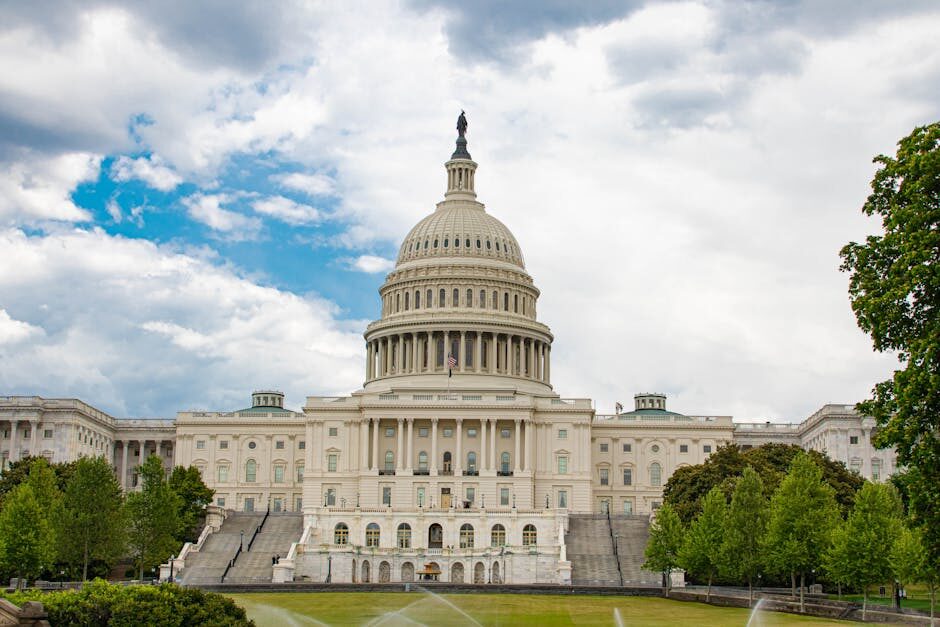
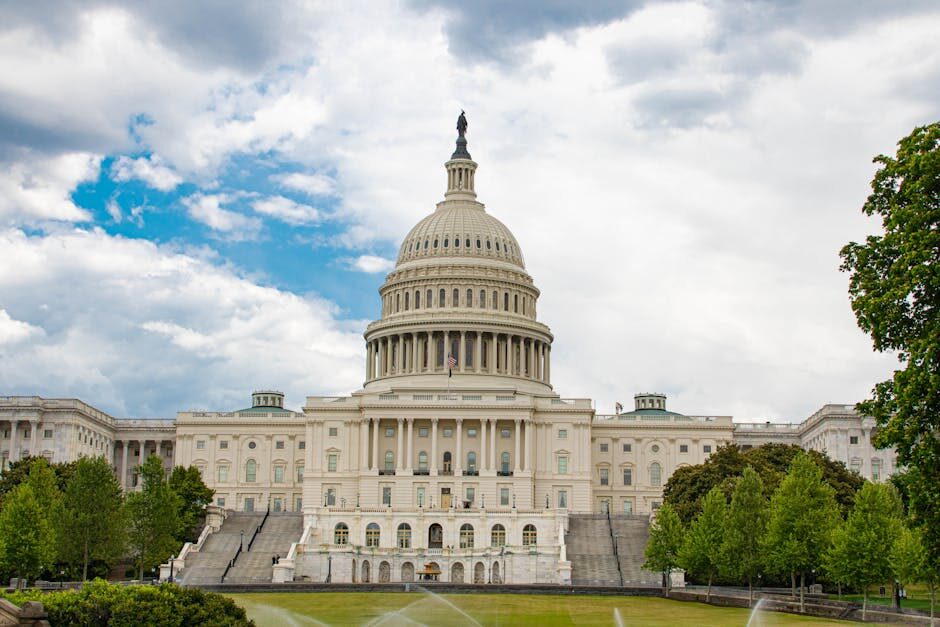
On March 13, 2026, the Senate Health, Education, Labor, and Pensions Committee shifted its focus from student loans and faculty wages to a pressing issue: foreign influence in U.S. research institutions. Committee chairman Sen. Bill Cassidy described American universities as vital strategic assets but warned that their openness makes them susceptible to exploitation.
Testimony from national security analysts and university officials highlighted China’s extensive research ties. U.S. scholars excel in areas like cancer treatment, artificial intelligence, military computing, and biomedical engineering. Chinese entities have established joint labs, funded fellowships, and co-authored significant papers in these fields. While these collaborations can lead to breakthroughs, concerns are rising that they may favor Chinese partners seeking access to U.S. intellectual property and sensitive technologies.
For professors, postdoctoral fellows, and graduate students, this scrutiny means increased administrative oversight. Departments that once welcomed international grants now face mandatory disclosures, and research proposals with Chinese collaborators undergo extra security reviews. The atmosphere has shifted from curiosity to a cautious assessment of risks and rewards.
Dollars and Sense: The Financial Landscape of Foreign Funding
Transparency is a key concern for Congress. Sen. Cassidy noted that U.S. universities reported $9.7 billion in foreign gifts and contracts last year, but this only reflects disclosed funding. He warned that undisclosed money creates a “zero accountability” situation, leaving gaps in national security.
Foreign gifts come in various forms: endowments, research contracts, and scholarships from state-run enterprises. A significant portion of this funding originates from China, including scholarship programs and industry initiatives in quantum computing. While the exact amount from China is unclear, the overall scale indicates a strong financial interdependence.
For faculty, the appeal of such funding is strong. A professor at a leading engineering school might secure a multi-million-dollar grant for battery technology, potentially co-funded by a Chinese state-owned corporation. However, this now requires detailed reporting, university reviews, and sometimes security clearance from the Department of Defense.
Foreign gifts come in various forms: endowments, research contracts, and scholarships from state-run enterprises.
You may also like
AI Officials Face Scrutiny Over Technology Risks Amid Public Concern
As public concerns about artificial intelligence grow, officials are under scrutiny for their lack of transparency and accountability. This article examines the implications for policy…
Read More →Students also feel the impact. International scholarships that once facilitated access to U.S. campuses are now under review, and graduate programs relying on foreign-sponsored research assistants face stricter hiring protocols. This creates a climate where financial opportunities are increasingly scrutinized through a security lens.
The Risks of Openness: Intellectual Property and National Security
Beyond financial concerns, there are significant risks associated with foreign partnerships. Craig Singleton, a senior fellow at the Foundation for Defense of Democracies, warned that China’s ties with U.S. universities pose a “significant national-security risk.” This risk includes intellectual property theft, unintentional technology transfer, and undisclosed foreign funding that could influence research agendas.
Intellectual property theft is a real threat. U.S. agencies have documented instances where Chinese researchers in joint labs accessed proprietary data on gene-editing tools and AI algorithms. The open-door policy at many campuses, where data and lab equipment are shared, can unintentionally facilitate the copying of sensitive information. Once this data is exported, it can be used in Chinese state-backed programs, undermining the competitive edge of American universities.
Even unintentional technology transfer can have strategic consequences. A biomedical team publishing findings on a new implantable device may inadvertently provide a blueprint for manufacturing. If a Chinese partner gains early access to these results, it can significantly shorten development timelines in China, affecting market dynamics and national defense considerations.
research, now competes with the need to protect national interests.
The lack of transparency in foreign funding is particularly concerning. When universities receive undisclosed gifts, policymakers cannot trace the flow of influence. The $9.7 billion figure only reflects reported funding; the undisclosed amount could be significant, creating a “zero-accountability” environment where external actors might subtly steer research priorities.
For academics, these risks lead to increased scrutiny of collaborative papers, stricter data-sharing controls, and sometimes the suspension of joint projects pending security clearance. The culture of open inquiry, once a hallmark of U.S. research, now competes with the need to protect national interests.
From Pandas to Partnerships: Soft Power’s Tangible Edge
You may also like
 AI & Technology
AI Safety Must Match Rapid Capability Growth
OpenAI CEO Sam Altman emphasizes the urgent need for evolving safety measures in AI development as capabilities expand, highlighting the importance of aligning AI systems…
Read More →China’s “panda diplomacy” illustrates how cultural gestures align with strategic goals. The National Zoo’s pandas are set to return to China, ending a symbol of goodwill. While the pandas represent friendship, the agreements for their loans often include provisions for scientific collaboration, such as veterinary research and conservation technology.
Critics argue that these exchanges give Chinese institutions privileged access to U.S. research facilities. The labs treating pandas may also host joint projects on genetics or bioinformatics, creating pathways for data flow beyond animal studies. Thus, the pandas’ departure highlights a broader trend of cultural outreach facilitating scientific collaboration.
Implications for the Academic Workforce
For researchers dependent on grant funding, increased scrutiny adds complexity to an already competitive field. Securing federal grants now often requires assessing foreign ties, with failure to disclose potentially jeopardizing projects and reputations. Universities are responding by enhancing compliance offices, hiring staff to audit foreign contracts, and updating faculty handbooks to reflect new regulations.
Graduate students, crucial to research labs, face a more complicated funding landscape. Scholarships linked to Chinese sponsors may be reassessed, and students must complete more paperwork to ensure compliance with export-control regulations. This complexity also affects postdoctoral fellows, who now navigate security clearances that were once reserved for defense-related work.
Charting a Path Forward
The congressional hearing concluded with a clear directive: enhance transparency and accountability for all foreign gifts and contracts. Proposed measures include mandatory public disclosure of foreign funding over $250,000, a centralized database for university officials and federal agencies, and periodic audits by independent auditors.
Charting a Path Forward The congressional hearing concluded with a clear directive: enhance transparency and accountability for all foreign gifts and contracts.
These steps aim to maintain the collaborative spirit that drives innovation while protecting against exploitation. The academic community faces the challenge of integrating these protocols without stifling the openness that makes U.S. universities leaders in research.
In the coming months, universities will draft new policies, faculty senates will debate the balance between security and academic freedom, and lawmakers will refine definitions of “malign foreign influence.” The outcomes will impact not only the flow of billions of dollars but also the future of scientific discovery that defines the U.S. strategic advantage.
You may also like
 Industry & Global Trends
HFCL Stock Rises Amid AI, Defence Demand
HFCL's stock has tripled in the last six months, driven by a surge in orders for artificial intelligence and defence, indicating a growing demand for…
Read More →Looking ahead, the key question is not whether foreign influence will continue, but how American academia will adjust its openness to safeguard the nation’s intellectual frontier while preserving the collaborative spirit that drives progress.
“`