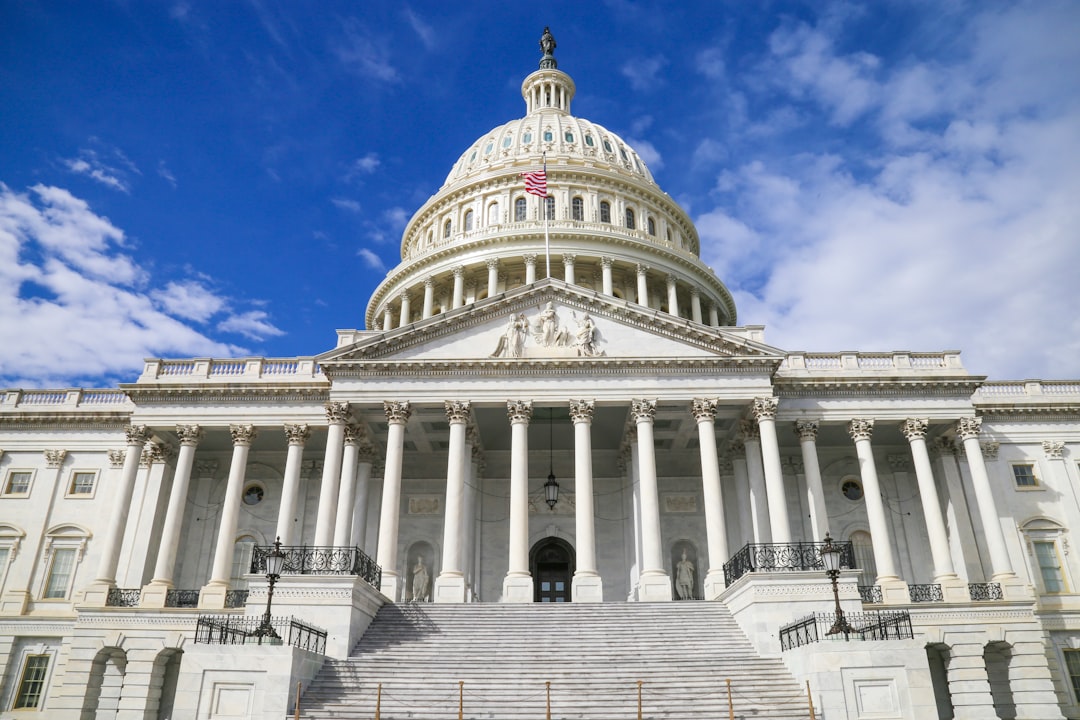
The slow pace of AI regulation in the US Congress raises significant challenges for software developers and AI ethics researchers, highlighting a gap between the urgent need for regulation and legislative action. As the EU and other countries advance their own frameworks, US companies risk falling behind.
US Congress has proposed many bills aimed at regulating artificial intelligence (AI), yet only a few have been enacted into law. This slow pace of regulation raises significant challenges for software developers and AI ethics researchers who must navigate a complex and evolving landscape of compliance. As of September 2026, the legislative efforts have highlighted a gap between the urgent need for regulation and the legislative action taken to address it.
The urgency for AI regulation has intensified in recent months, especially following warnings from experts about potential risks associated with unchecked AI development. Tech CEOs and researchers alike have called for clearer guidelines and frameworks to ensure that AI technologies are developed and deployed responsibly. However, the response from Congress has been tepid, with many proposed bills still lingering in committees without significant progress. According to a report by CNBC, the calls for regulation have grown louder, particularly after a researcher from Anthropic warned of existential risks posed by AI, emphasizing the need for immediate legislative action.
Legislative Landscape: A Snapshot of AI Bills
According to Career Ahead’s analysis of legislative data, there have been over twenty proposals for AI regulation in the current session of Congress. However, only a handful have made it to the floor for a vote. The proposed legislation includes a variety of measures, from data privacy protections to algorithmic accountability initiatives. For instance, the Take It Down Act aims to ban non-consensual deepfake technology, while other bills focus on ensuring the safety of AI systems used in critical sectors. The New York Times highlighted that despite the variety of proposed bills, many lawmakers express uncertainty about how to effectively regulate such a rapidly evolving field.
Politicians are concerned about stifling innovation while also protecting consumers and the public from potential harms associated with AI technologies. This balancing act has led to a cautious approach, with many lawmakers preferring to wait for more data and expert guidance before moving forward. The lack of urgency in legislative action has been criticized by industry leaders, who argue that the slow pace could hinder the US’s competitive edge in AI technology. As the European Union and other countries advance their own regulatory frameworks, US companies may find themselves at a disadvantage if Congress fails to act decisively.
Career Ahead research identifies that this legislative indecision is causing a ripple effect in the tech industry. Companies are left in a state of uncertainty, unsure of how to align their development practices with potential future regulations. Without clear guidelines, software engineers may find themselves developing technologies that could later be deemed non-compliant or unsafe. This uncertainty is compounded by the fact that many companies are investing heavily in AI research and development, yet may have to pivot their strategies if regulations shift unexpectedly.
This situation underscores the need for a robust ethical framework that can guide AI development in a way that prioritizes safety and accountability.
Cyber fraud is on the rise, with many individuals unknowingly becoming part of schemes that use their bank accounts as mule accounts. Understanding the implications…
The lack of enacted regulations also raises ethical concerns for AI researchers. With no established standards, the deployment of AI technologies can lead to unintended consequences, including bias in algorithms and data privacy violations. This situation underscores the need for a robust ethical framework that can guide AI development in a way that prioritizes safety and accountability. As noted by Politico, the ethical implications of AI are becoming increasingly prominent, and without a regulatory framework, researchers may struggle to navigate the moral complexities of their work.
Furthermore, the legislative gridlock has implications for international competitiveness. As countries like the EU move forward with their own regulatory frameworks for AI, US companies risk falling behind if they cannot adapt quickly to new standards. This creates a pressing need for Congress to take decisive action to ensure that the US remains a leader in AI innovation while also safeguarding public interests. The potential for a fragmented regulatory environment could lead to a patchwork of compliance requirements that complicate the operational landscape for tech firms.
Implications for Software Development and AI Ethics
The slow pace of AI regulation is having a profound impact on software development practices. Software engineers are increasingly challenged to create AI systems that comply with anticipated regulations, but without clear guidelines, this task becomes nearly impossible. Career Ahead’s analysis shows that engineers focusing on AI development must be prepared to pivot quickly as new regulations emerge, which can lead to increased costs and project delays. The uncertainty surrounding compliance can also deter investment in innovative projects, as companies may hesitate to allocate resources toward initiatives that could be rendered obsolete by future laws.
Moreover, the ambiguity surrounding AI regulations creates a complex environment for compliance. Companies may invest heavily in developing AI technologies, only to find that their products do not meet future legal standards. This uncertainty can deter investment in essential AI research and development, as firms may hesitate to allocate resources toward projects that could be rendered obsolete by new regulations. The potential for regulatory shifts also complicates long-term strategic planning for tech companies, which must navigate both market demands and evolving legal landscapes.
For AI ethics researchers, the current legislative landscape presents both challenges and opportunities. The lack of clear regulatory frameworks allows for a diverse range of ethical considerations to be explored, but it also risks creating a patchwork of standards that could vary widely between states and industries. Researchers must navigate this complex landscape to advocate for ethical practices that can be adopted universally across the sector. The ongoing dialogue about AI regulation highlights the importance of collaboration among stakeholders. Software engineers, policymakers, and AI ethics researchers must work together to shape a regulatory environment that fosters innovation while ensuring public safety. This collaborative approach can lead to the development of comprehensive guidelines that address the multifaceted challenges posed by AI technologies.
Career Ahead’s analysis shows that engineers focusing on AI development must be prepared to pivot quickly as new regulations emerge, which can lead to increased costs and project delays.
As the debate around AI regulation continues, it is clear that the implications for the workforce and the industry are significant. Companies that proactively engage with regulatory developments will be better positioned to adapt to new standards and maintain a competitive edge in the market. The urgency of the situation cannot be overstated, as the future of AI development and deployment hinges on the actions taken by Congress in the coming months. With increasing pressure from both the tech industry and the public, the next few months will be crucial in determining whether significant legislative action will take place. As the landscape evolves, stakeholders must remain vigilant and prepared for changes that could reshape the future of AI development and deployment.
Frequently Asked Questions
What does the slow pace of AI regulation mean for policymakers?
Career Ahead analysis shows that the slow pace of AI regulation complicates efforts for policymakers to create effective frameworks. It also raises concerns about public safety and ethical standards in AI development.
How can AI ethics researchers prepare for upcoming regulations?
AI ethics researchers should focus on developing universal ethical guidelines that can adapt to various regulatory environments. Engaging with policymakers and industry stakeholders will be crucial in shaping these guidelines.
What should software engineers do about compliance with AI laws?
Software engineers must stay informed about proposed regulations and be prepared to adapt their development practices accordingly. Engaging in continuous learning about compliance standards will be essential for future projects.




Government & Policy

Government & Policy