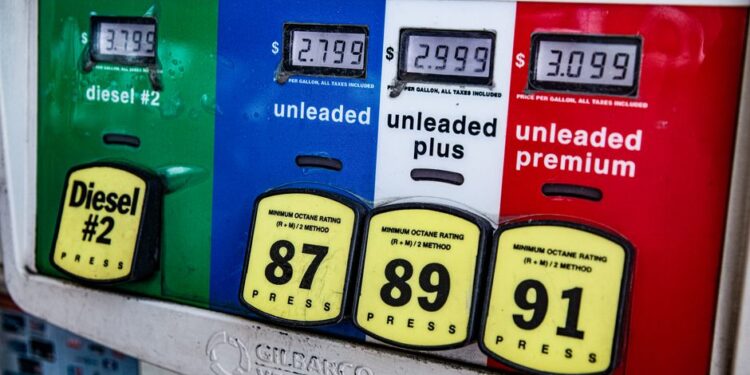
Crude oil prices surged to $99 per barrel on September 9, 2026, following Iran's military strikes against U.S. forces in Jordan, raising concerns about global supply stability.
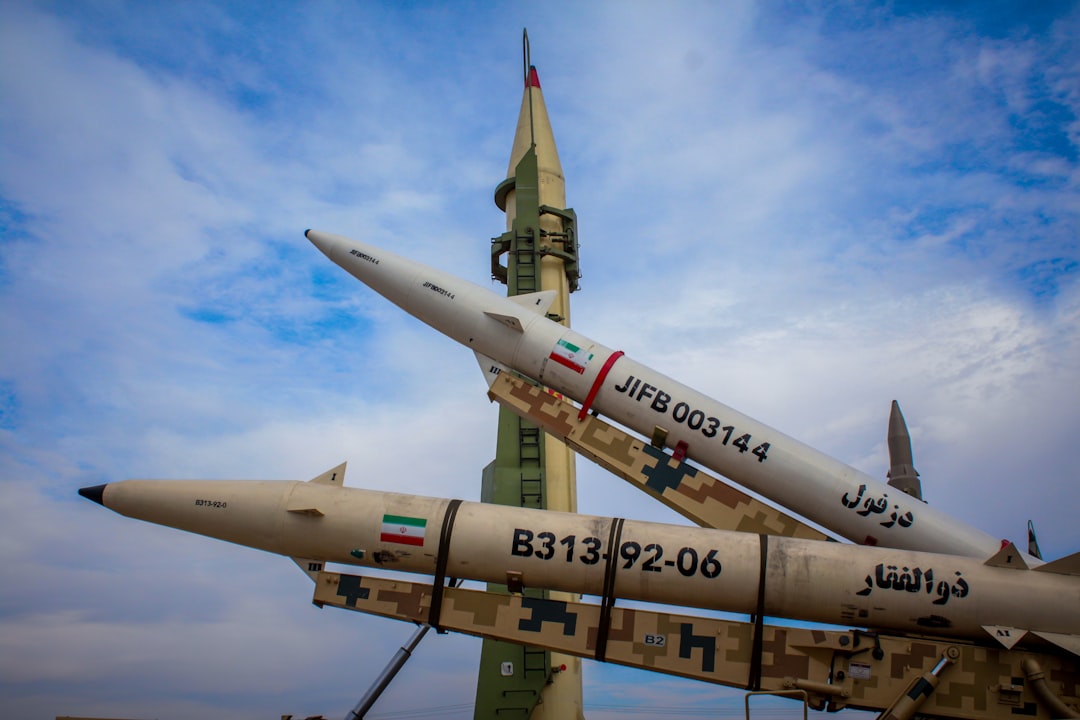
Crude oil prices surged to $99 per barrel on September 9, 2026, following Iran’s military strikes against U.S. forces in Jordan. The Iranian Revolutionary Guards launched ballistic missiles targeting American destroyers and a military base, marking a significant escalation in ongoing tensions. Analysts are warning that if these hostilities continue, oil prices could potentially reach $120 per barrel, raising concerns about global supply stability.
This spike in oil prices comes amid a backdrop of increasing conflict between Iran and the United States. The U.S. Secretary of State has stated that the U.S. will continue to target Iranian oil tankers in retaliation for these attacks. The situation has created a volatile environment for investors, particularly in the oil and gas sectors, as the potential for supply disruptions looms large. According to the Economic Times, the recent military actions have already led to a notable increase in crude oil prices, with Brent crude futures rising by 1.6% to $99.49 per barrel. This increase marks a significant rise since early August, driven by fears of supply disruptions due to the conflict.
Impact of Geopolitical Tensions on Crude Oil Prices
The recent attacks have already led to a notable increase in crude oil prices, with Brent crude futures rising by 1.6% to $99.49 per barrel. This increase marks a significant rise since early August, driven by fears of supply disruptions due to the conflict. According to Goldman Sachs, the risk of wider shipping disruptions could push oil prices to $120 if military actions escalate further. Daan Struyven, co-head of global commodities research at Goldman Sachs, emphasized that the geopolitical landscape has become an important concern for investors. The potential for increased military actions raises questions about the stability of oil supply routes, particularly through the Strait of Hormuz, a vital passage for global oil shipments. If Iran continues its aggressive stance, as indicated by its recent missile attacks, we could see a sustained period of high prices. Analysts from Citi have already raised their average Brent crude price forecast for the third quarter to $86 per barrel, reflecting a longer-than-expected timeline for resolution in the region.
Historically, oil prices have shown volatility during periods of conflict. For instance, during the Gulf War in the early 1990s, prices spiked significantly due to fears of supply interruptions. Similar patterns have been observed during other conflicts, suggesting that current tensions could lead to a similar trajectory. Career Ahead’s analysis finds that the duration of these disruptions will be critical; each additional month of conflict could add $7 to $8 to Brent prices, according to JPMorgan’s estimates. The current situation underscores the importance of geopolitical awareness in commodity trading strategies, especially for those heavily invested in oil and gas markets. Furthermore, as the Economic Times reports, the implications of rising oil prices extend beyond immediate market reactions, potentially influencing inflation rates and economic stability in oil-importing nations.
As tensions escalate, investors should closely monitor developments in the Middle East. The interplay between military actions and oil supply dynamics will be crucial in determining price movements. The current situation underscores the importance of geopolitical awareness in commodity trading strategies, especially for those heavily invested in oil and gas markets.
Career Ahead’s analysis finds that the duration of these disruptions will be critical; each additional month of conflict could add $7 to $8 to Brent prices, according to JPMorgan’s estimates.
Strategies for Hedging Against Oil Price Fluctuations
For oil and gas investors, understanding how to hedge against price fluctuations is essential in this volatile environment. Options trading, futures contracts, and exchange-traded funds (ETFs) that focus on energy commodities can provide investors with tools to mitigate risks associated with rising prices. These financial instruments allow investors to lock in prices, providing a buffer against sudden spikes. Commodity traders should also consider diversifying their portfolios to include a mix of energy sources, including natural gas and renewable energy investments. This diversification can help reduce exposure to the oil market’s inherent risks, particularly during periods of geopolitical instability. Career Ahead research identifies that traders who adopt a multi-commodity approach are better positioned to weather price shocks.
Moreover, staying informed about geopolitical developments is vital for making timely trading decisions. The current situation in the Middle East serves as a reminder of how geopolitical events can influence market dynamics. Traders should utilize real-time data and analysis to adapt their strategies quickly, ensuring they are not caught off guard by sudden price movements. Investors should also keep an eye on policy changes and government responses to the conflict. For instance, U.S. military strategies and sanctions against Iran could significantly impact oil supply and prices. Understanding these factors can provide investors with a clearer picture of potential market movements and help them make informed decisions.
In summary, the current geopolitical landscape requires oil and gas investors to be proactive in managing their portfolios. By employing effective hedging strategies and staying informed about market conditions, they can navigate the challenges posed by rising oil prices. As the situation unfolds, the need for strategic planning and adaptability has never been more critical. The Economic Times highlights that the potential for further military action by Iran, U.S. responses, and the overall stability of oil supply routes will be critical to watch in the coming weeks.
As the situation in the Middle East evolves, several key factors will influence oil prices in the coming weeks. The potential for further military action by Iran, U.S. responses, and the overall stability of oil supply routes will be critical to watch. Investors should remain vigilant as these developments unfold, as they could lead to significant price fluctuations. Furthermore, the reactions from major oil-producing countries and their strategies in response to rising prices will also play a role. OPEC’s decisions regarding production levels could either exacerbate or alleviate price pressures in the market. If OPEC chooses to cut production in response to rising prices, we could see a further spike in oil prices, potentially reaching the $120 mark.
Overall, the combination of geopolitical tensions and market responses will create a complex environment for oil investors. The need for strategic planning and adaptability has never been more critical. As investors navigate this landscape, they must remain informed and prepared for rapid changes in market conditions. In this dynamic environment, the question remains: how will the ongoing conflict in the Middle East reshape the future of oil prices and investor strategies? The coming weeks will be pivotal in determining the trajectory of crude oil prices and the broader energy market.
South Korea's banking sector is facing a new wave of cyber threats linked to artificial intelligence (AI), with President Lee Jae Myung revealing that AI…
Investors should remain vigilant as these developments unfold, as they could lead to significant price fluctuations.
Frequently Asked Questions
What are the implications of rising oil prices for energy market analysts?
Career Ahead analysis shows that rising oil prices can lead to increased volatility in energy markets, impacting forecasting models. Analysts must adjust their strategies to account for potential supply disruptions and geopolitical risks.
How should commodity traders adjust their strategies in light of geopolitical tensions?
Commodity traders should consider diversifying their portfolios and employing hedging strategies to manage risks associated with rising oil prices. Staying informed about geopolitical developments is essential for making timely trading decisions.
What should oil and gas investors consider when prices approach $120?
When oil prices approach $120, investors should evaluate their exposure to the market and consider implementing hedging strategies to protect their investments. Monitoring geopolitical developments and potential supply disruptions will also be crucial.



Industry & Global Trends
 Industry & Global Trends