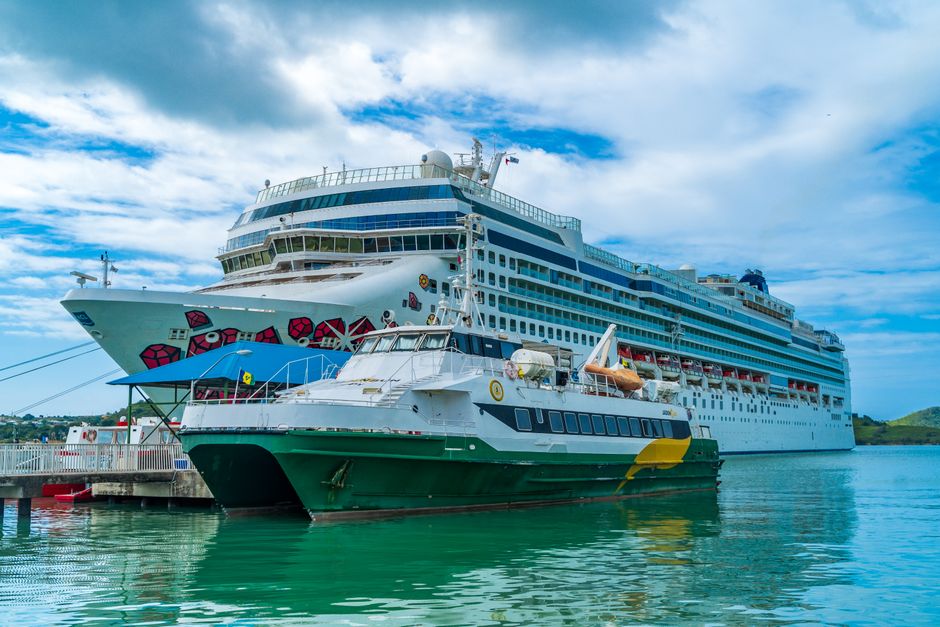
Carnival, Royal Caribbean, and Norwegian reported strong third-quarter earnings despite rising fuel prices, but their strategies to control fuel costs differ. Carnival's CEO says cutting fuel consumption works best, while Royal Caribbean and Norwegian executives maintain that hedging will help protect them from rising costs.
Strong Earnings Amid Rising Fuel Prices
Carnival, Royal Caribbean, and Norwegian reported strong third-quarter earnings despite rising fuel prices. Royal Caribbean beat analyst expectations for earnings per share for its third quarter, reported Tuesday, though it narrowly missed on revenue. Norwegian Cruise Line Holdings beat on both the top and bottom lines for its third-quarter earnings, reported on Thursday, with revenue of $2.9 billion and adjusted earnings per share of $1.12.¹²
Carnival reported an all-time high net income of $1.9 billion. Oil prices have skyrocketed since the U.S.-Israel war with Iran began on Feb. Brent crude oil reached a six-month high on Friday, settling at $116.72 per barrel. All three cruise companies expect fuel costs or consumption to continue to rise in the fourth quarter.¹²
Hedging vs. Cutting Consumption
Executives from Royal Caribbean and Norwegian Cruise Line maintain that hedging will help protect them from rising costs. Jason Liberty said Royal Caribbean is a little bit over 60% hedged for 2026. Norwegian has hedged approximately 48% of its fuel consumption for 2026. Royal Caribbean hedged 60% of its 2026 fuel at roughly $474 per metric ton, leaving 40% exposed to price volatility.¹²
Carnival's CEO says cutting fuel consumption works best.
Carnival's CEO says cutting fuel consumption works best. Carnival CEO Josh Weinstein told CNBC that cutting fuel consumption is the best way to avert the effects of expensive fuel. Weinstein said fuel is an input cost and using less is the best way to control that cost. Carnival has maintained the stance it has held since 2019: Cutting fuel consumption works better than hedging.¹²
 News
Budget Changes Energy Bills, Fuel Costs and Pay
The fuel-duty cut runs through the same month as the electricity VAT extension, while minimum wages and state pensions rise.
Read More →Jefferies analyst David Katz told CNBC that companies hedge to manage fuel cost and Wall Street expectations. Katz said the Street will trade your stock around based on the price of fuel. Katz said volatility puts pressure on your multiple. Carnival doesn't hedge its oil.¹²
Carnival's Fuel-Saving Strategy
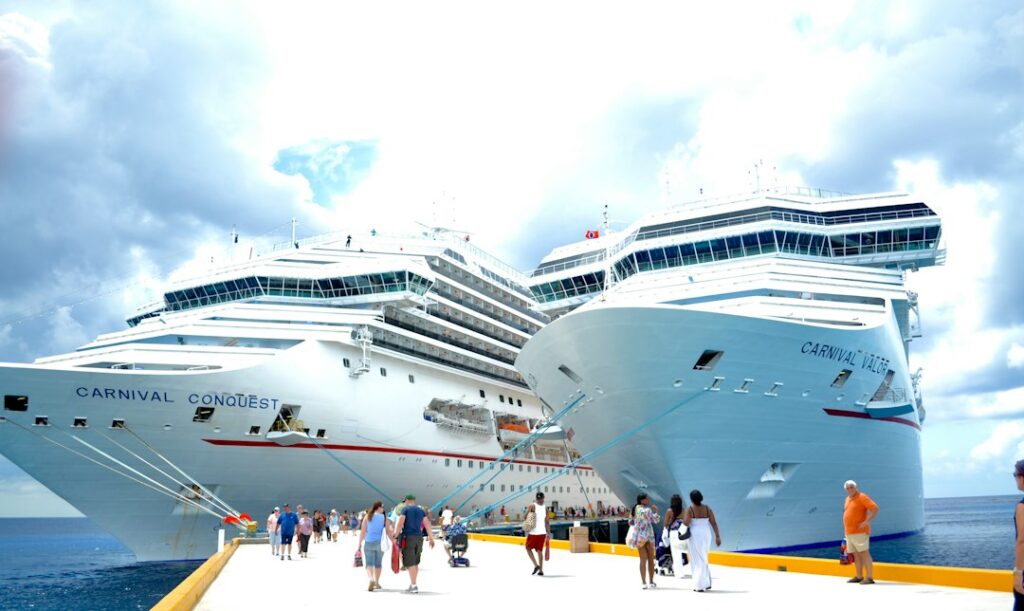
Weinstein said the company has been maniacal about cutting fuel consumption. Carnival slashed its unit fuel consumption rate by 26% since 2019. Weinstein estimated Carnival saved about $700 million in 2026 based on consumption savings since 2019. Weinstein said Carnival can absorb higher fuel prices over a longer period of time.¹²
Weinstein said Carnival's focus is to use less fuel. Carnival itineraries are visiting fewer ports of call by design. In 2024, at the Seatrade Cruise Global conference in Miami, Weinstein spoke about retrofitting technology to reduce consumption. Weinstein said going slower and shorter distances uses less fuel and emits less greenhouse gases.¹²
Weinstein said Carnival has the ability to change itineraries and make decisions about ports. Celebration Key and Half Moon Cay enhancements are part of Carnival's strategy. David Bernstein, Carnival's CFO, is comfortable not introducing a hedging program in the foreseeable future.¹²
David Bernstein, Carnival's CFO, is comfortable not introducing a hedging program in the foreseeable future.¹²
Fuel Costs and Supplements
Carnival spent $615 million, or about 7.3% of its revenue, on fuel in the third quarter. That's an increase from the $425 million, or 6.7% of revenue, that the company spent on fuel in the fourth quarter of 2025, before fuel prices spiked. Carnival projects its fuel costs will rise to $640 million in the fourth quarter.¹²
 News
Rising Fuel Costs Deter Meal Delivery Drivers
Rising fuel costs are affecting meal delivery services globally, making it difficult to attract volunteers for essential community support roles. Organizations like Meals on Wheels…
Read More →Royal Caribbean spent about $347 million on fuel in the third quarter, or about 6.2% of its revenue. That compares with $293 million, or 6.8% of revenue, spent on fuel in the fourth quarter of 2025, which ended on Dec. The company projects fuel costs will continue to rise to $379 million in the fourth quarter.¹²
Norwegian spent about $196 million on fuel in the third quarter, or about 6.6% of its revenue. That's a lower share of revenue than the 7.4% — totaling $167 million — spent on fuel in the fourth quarter of 2025, which ended on Dec. The company projects fuel consumption to rise slightly in the fourth quarter, up to 255,000 metric tons from 239,000 metric tons.¹
Carnival's Cruise Ticket Contract previously reserved the right to charge a fuel supplement of $9 per person, per day, without prior notice if crude oil rises over $70 per barrel. Royal Caribbean and Norwegian still include fuel supplements in their contracts. Royal Caribbean's contract reserves the right to impose a fuel supplement without prior notice. Royal Caribbean can charge guests up to $12 per day, per person if West Texas Intermediate crude exceeds $65 per barrel or Henry Hub Natural Gas Spot price exceeds $3 per million British Thermal Units.¹²
Hedging vs. Cutting: Pick Your Fuel Strategy
If you work in an industry where fuel is a major input, the cruise lines' split offers two distinct playbooks. Carnival's approach—cutting consumption by 26% since 2019 and saving about $700 million—shows that operational efficiency can beat financial hedging. For a role in operations or supply chain, focus on measurable consumption reduction, not just price protection. This matters if your employer faces volatile commodity costs; you can propose efficiency targets that lower exposure without complex contracts.¹²
Cutting: Pick Your Fuel Strategy If you work in an industry where fuel is a major input, the cruise lines' split offers two distinct playbooks.
Alternatively, Royal Caribbean and Norwegian hedge to stabilize earnings and manage Wall Street expectations. Royal Caribbean hedged 60% of its 2026 fuel at roughly $474 per metric ton, while Norwegian hedged 48%. If you work in finance or investor relations, this shows how hedging can protect your company's stock multiple from fuel-price swings. When negotiating pay or roles, consider whether your employer's strategy—hedging or efficiency—affects its cash flow stability and your job security.¹²
Sources
Written by Career Ahead AI. AI can make mistakes, so verify key facts. Report errors to support@careeraheadonline.com
 News
US Economy Outpaces Forecast Before Midterm Elections
The Fed held its benchmark rate in the 3.75%-4% range, while its preferred inflation gauge rose to 2.8%.
Read More →