No products in the cart.

Cultivating Psychological Safety: A Pathway to Innovation

Explore how leaders can cultivate psychological safety within their teams to enhance communication, trust, and innovation.

San Francisco, USA — In the fast-paced world of modern business, the ability to foster a culture of psychological safety is emerging as a critical leadership skill. Organizations like Google and Microsoft have demonstrated that environments where employees feel safe to express their ideas, take risks, and admit mistakes are not just more pleasant; they are also more productive. When teams operate in a space where open communication and trust are prioritized, innovation flourishes.
This phenomenon matters now more than ever. As companies navigate the challenges of a hybrid workforce and the rapid pace of technological advancement, leaders are tasked with creating environments that not only attract top talent but also retain them. According to a report by the Harvard Business Review, teams that prioritize psychological safety are 12 times more likely to be engaged and motivated than those that do not [1].

Psychological safety, a term popularized by Harvard professor Amy Edmondson, refers to the belief that one will not be penalized or humiliated for speaking up with ideas, questions, concerns, or mistakes. This concept is rooted in the understanding that fear of judgment can stifle creativity and collaboration. In contrast, when teams feel safe, they are more likely to share innovative ideas, leading to breakthrough products and services.
Contextually, the rise of remote and hybrid work has intensified the focus on psychological safety. A survey by the Society for Human Resource Management found that 69% of employees reported feeling more comfortable sharing their ideas in a virtual environment where they could communicate asynchronously, reducing the pressure of immediate responses [2]. This shift underscores the importance of leaders adapting to new communication styles that foster trust and openness.
This practice not only builds trust but also encourages a culture of learning and growth.
Leaders can cultivate psychological safety through several actionable strategies. First, they must model vulnerability. When leaders openly share their own mistakes and lessons learned, they signal to team members that it is acceptable to do the same. This practice not only builds trust but also encourages a culture of learning and growth.
You may also like
 Career Guidance
4,000 Students Connect with 85 Recruiters at AVASAR 2026
The University of Delhi's AVASAR 2026 placement drive will connect over 4,000 students with more than 85 recruiters, highlighting the growing demand for skilled graduates…
Read More →Furthermore, soliciting feedback is crucial. Leaders should actively seek input from team members about processes, decisions, and the work environment. This can be achieved through regular one-on-one check-ins or anonymous surveys, allowing employees to voice their opinions without fear of repercussion.
Recognition plays a vital role as well. According to a study by Gallup, employees who receive regular recognition are more engaged and motivated to contribute to their teams [3]. Acknowledging individual and team contributions fosters a sense of belonging and encourages others to share their ideas.
Moreover, providing psychological safety requires continuous training and development. Organizations can implement workshops focused on emotional intelligence and effective communication. For instance, companies like Zappos have integrated training programs that emphasize empathy and active listening, key components in creating an open dialogue.
Yet, despite the clear benefits, creating a culture of psychological safety is not without challenges. Some managers may fear that fostering too much openness could lead to a loss of control or chaos. However, research suggests that clear guidelines and expectations can mitigate these concerns. Edmondson emphasizes that psychological safety does not mean an absence of accountability; rather, it encourages constructive feedback within a framework of mutual respect [4].
Organizations can implement workshops focused on emotional intelligence and effective communication.
Looking ahead, the emphasis on psychological safety is poised to influence organizational culture significantly. As technology continues to reshape the workplace, the ability to adapt and innovate will hinge on leaders’ capacity to create environments where employees feel safe and valued. Businesses that prioritize psychological safety will not only enhance their competitive edge but also contribute to a more engaged and satisfied workforce.
As organizations navigate this evolving landscape, leaders are encouraged to reflect on their practices and consider how they can cultivate a culture that embraces psychological safety. What steps will you take to ensure your team feels empowered to voice their ideas and concerns? The future of work may depend on it.
You may also like
 Career Guidance
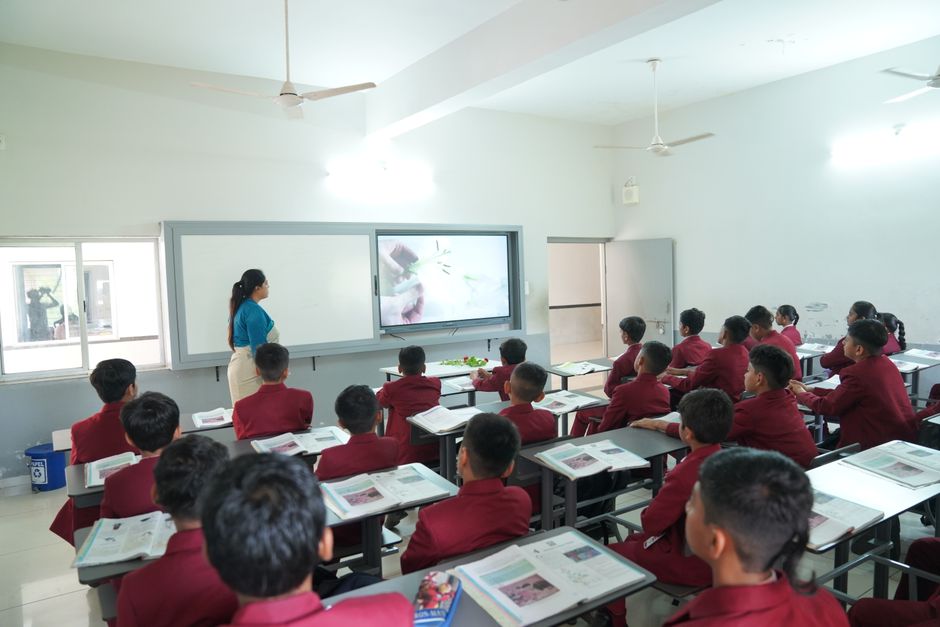
Gujarat Empowers Teachers with Career Guidance Training
Gujarat's education department has launched a training program to equip teachers with skills for providing informed career guidance to students, covering various educational and vocational…
Read More →