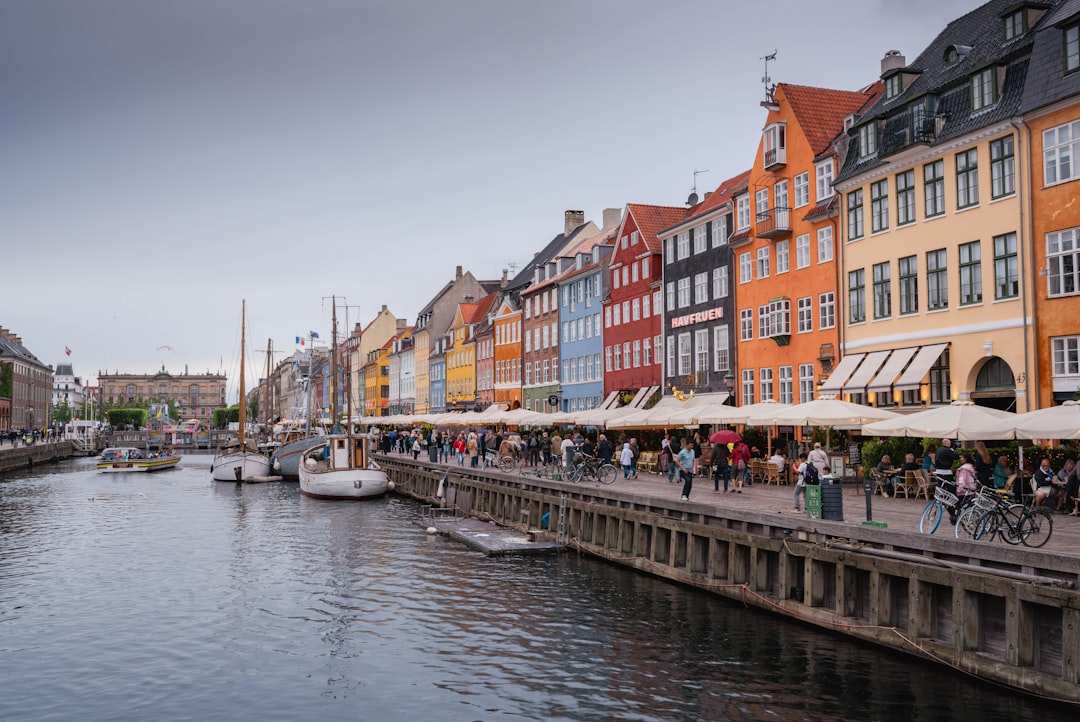
Copenhagen, Denmark — The OMX Copenhagen 20 index has witnessed a remarkable surge, reflecting an invigorated sense of optimism among investors. As the index recently posted strong gains, the sentiment in Danish markets has become a beacon of resilience amidst global economic uncertainty. Investors are not just watching the numbers; they are feeling a palpable shift in the atmosphere, one that hints at a revival of confidence in the European financial landscape.
This surge in Danish equities comes at a time when many markets are grappling with inflationary pressures and geopolitical tensions. The question on everyone’s mind: what makes Denmark stand out in this crowded field? A combination of factors, including a robust economy, innovative industries, and an adaptable workforce, have collectively contributed to this bullish sentiment.
Denmark’s economy has long been characterized by its strong foundations. With a focus on sustainable practices and technological innovation, the nation is not just surviving but thriving. For instance, the wind energy sector has transformed the Danish landscape, making the country a global leader in renewable energy solutions. Companies like Vestas and Ørsted have not only bolstered the economy but have also attracted significant foreign investments, further solidifying Denmark’s status as a business-friendly environment.
A combination of factors, including a robust economy, innovative industries, and an adaptable workforce, have collectively contributed to this bullish sentiment.
The recent gains in the OMX Copenhagen 20 can also be attributed to the broader context of European markets. As the European Union continues to navigate post-pandemic recovery, Denmark’s economic agility has positioned it as an attractive destination for investment. The Danish government has implemented policies aimed at fostering entrepreneurship and innovation, which have resonated well within the startup ecosystem. This proactive approach has enabled local businesses to adapt quickly to changing market dynamics, ensuring their competitiveness.
Moreover, Denmark’s labor market stands out due to its flexibility and high skill levels. The infamous “flexicurity” model, which combines labor market flexibility with social security, allows businesses to adjust their workforce to meet demand while providing safety nets for employees. This has resulted in a dynamic job market where innovation can flourish, and businesses can pivot as required. As a result, companies are better positioned to capitalize on emerging trends, which, in turn, boosts investor confidence.
However, it’s essential to look at this optimism through a critical lens. While the surge in equities is encouraging, risks remain. Global supply chain disruptions, inflation, and potential interest rate hikes could dampen the exuberance that currently envelops the Danish market. Investors should remain vigilant, recognizing that market conditions can change rapidly. Diversifying portfolios and staying informed about economic indicators will be crucial in navigating the complexities of today’s financial landscape.
Looking ahead, the optimism surrounding Danish equities is not merely a fleeting moment; it represents a larger trend toward sustainable investing and innovation-driven growth. As more investors become aware of the potential benefits of aligning their portfolios with environmentally and socially responsible companies, Denmark’s emphasis on sustainability could play a pivotal role in attracting global capital.
 Entrepreneurship & Business
Travelers Adopt Emerging Tech as Businesses Turn to AI
DMO leaders see technology as a way to improve travel, and some already use generative AI to manage content.
Read More →In conclusion, the recent surge in the OMX Copenhagen 20 is indicative of a broader movement towards resilience and innovation in the face of uncertainty. As Denmark navigates the complexities of the global economy, its commitment to sustainability and adaptability may serve as a model for other nations. Investors should keep a keen eye on this evolving landscape, as Denmark might just hold the keys to the future of smart investing.
Written by Career Ahead AI. AI can make mistakes, so verify key facts. Report errors to support@careeraheadonline.com.