No products in the cart.

Data Centers to Add Billions in Power Costs in 13 States

The auction results, released by a major grid operator, underscore the growing costs of energy that data centers must now contend with.

Data centers in 13 states are expected to face an extra $6.3 billion in power costs after a recent auction. This rise in expenses is due to increasing electricity demands. It will significantly impact cloud service providers and data center managers.
The auction results from a major grid operator highlight the growing energy costs that data centers must now manage. These facilities use large amounts of power for their operations. The financial strain will likely affect consumers and businesses that depend on cloud services. A report by The New York Times states that these increased costs will also lead to higher electricity bills for consumers in the affected states.
Impact on Operational Budgets and Pricing Strategies
The rise in power costs will force many data centers to reevaluate their budgets. These facilities are already known for high energy use, and the new auction results will likely squeeze margins for many cloud service providers. According to Career Ahead’s analysis, these increased costs may lead to a 15-20% rise in service prices for consumers, especially for those using resource-heavy applications. This price increase could hurt small businesses and startups that rely on cloud services, potentially stifling innovation and growth in the digital economy.
Cloud service providers may need to change their pricing models to address these changes. For example, some companies might adopt usage-based pricing to reflect the variable energy costs. This could create a more transparent pricing structure but may also alienate customers who prefer fixed-rate plans. A report from Fortune highlights that rising operational costs could lead to a reevaluation of customer contracts, especially for large enterprises that want predictable pricing.
Moreover, financial pressure may lead data centers to cut back on other expenses, such as staffing or technology upgrades. This could hinder innovation in the sector, as companies might prioritize cost-cutting over investing in new technologies that improve efficiency. Reduced investment in infrastructure could also slow advancements in data center technology, which is crucial for maintaining competitive advantages in the cloud services market.
Career Ahead research shows that adopting energy-efficient technologies and practices can significantly lower operational costs.
You may also like
 Industry & Global Trends
Nifty 50 companies likely to log strong double-digit growth in Q2
Nifty 50 companies are projected to achieve strong double-digit growth in Q2 2023, driven by key sectors like automobiles, banking, and oil, amidst a recovering…
Read More →As the industry faces these challenges, data center managers must find ways to manage rising power costs. Career Ahead research shows that adopting energy-efficient technologies and practices can significantly lower operational costs. Strategies like optimizing cooling systems and using renewable energy sources may provide some relief. Additionally, integrating AI-driven management systems can help predict energy usage patterns, leading to more efficient operations.
Strategies for Energy Efficiency in Data Center Operations
To tackle rising power costs, data centers can explore various energy-efficient technologies. For instance, advanced cooling solutions, such as liquid cooling and AI-driven temperature management systems, can greatly reduce energy consumption. These technologies not only lower power usage but also improve overall data center performance. Implementing such systems can cut energy costs by as much as 30%, according to industry estimates.
Furthermore, integrating renewable energy sources into data center operations offers a sustainable way to manage energy costs. Many companies are investing in solar and wind energy to power their facilities, helping to offset rising traditional electricity costs. Career Ahead’s analysis indicates that data centers transitioning to renewable sources can reduce long-term energy expenses by up to 30%. This shift addresses cost concerns and aligns with the growing demand for sustainable business practices from consumers and investors.
Data center managers should also implement energy monitoring systems to track consumption patterns. By analyzing energy usage data, they can spot inefficiencies and make informed decisions to optimize performance. This proactive approach can lead to significant savings over time. Additionally, working with local energy providers can help manage costs. By participating in demand response programs, data centers can adjust their energy use during peak times, possibly earning rebates or lower rates from utility companies. Such initiatives aid in cost management and contribute to grid stability, which is increasingly vital as more data centers come online.
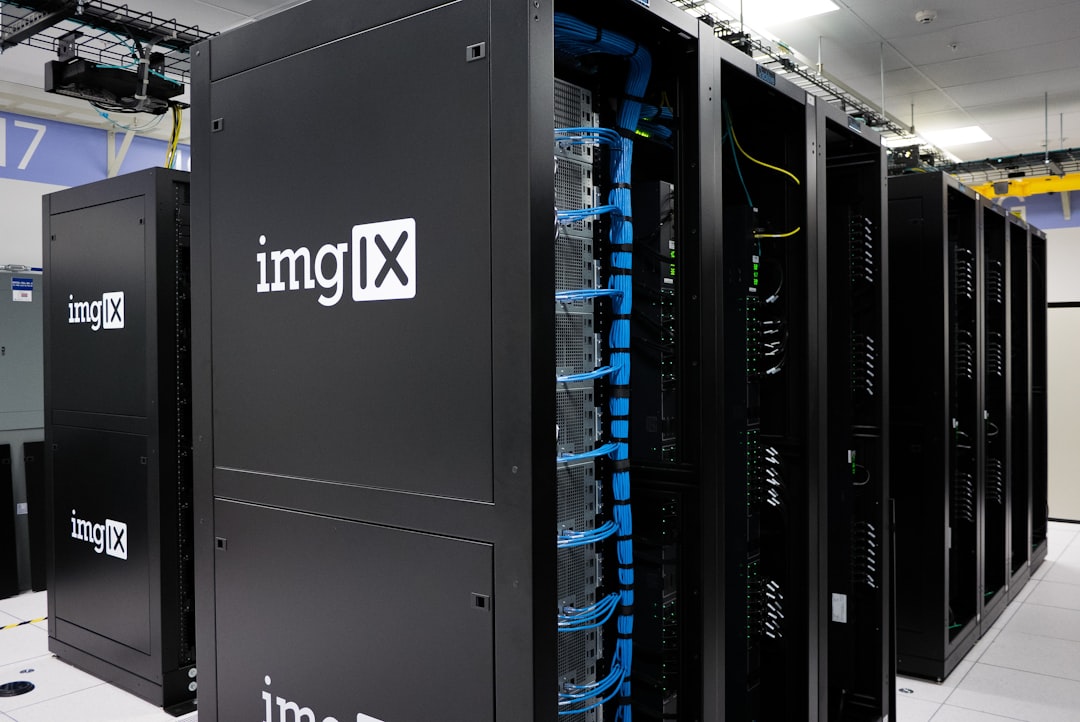
While the immediate future may be challenging for data centers, these strategies offer a path toward efficiency and cost management.
While the immediate future may be challenging for data centers, these strategies offer a path toward efficiency and cost management. By focusing on energy efficiency, data center managers can better handle the financial impact of rising power costs. The combination of increasing energy costs and higher demand for data services will likely drive innovation in energy-efficient technologies across the sector. Companies that adapt proactively to these changes will not only survive but may also thrive in a more competitive environment.
You may also like
 Industry & Global Trends
In Race With U.S., China Struggles to Recruit Foreign A.I. Researchers | Career Outlook
China's efforts to attract foreign AI researchers are hampered by salary disparities, job security concerns, and geopolitical tensions with the U.S., which continues to dominate…
Read More →The effects of increased power costs extend beyond individual data centers. As cloud services become pricier, businesses that rely on these services may see higher operational costs, leading to increased prices for consumers. This could slow the overall growth of the digital economy, as startups and small businesses may struggle to absorb these costs. Additionally, the rising energy demand from data centers could worsen existing infrastructure challenges. Many regions already face energy shortages, and the increased power needs of data centers may strain local grids. This situation could lead to more regulatory scrutiny and potential policy changes aimed at managing energy consumption more effectively.
Career Ahead analysis finds that the combination of rising energy costs and increased demand for data services will likely drive innovation in energy-efficient technologies across the sector. As data centers evolve, the focus on sustainability and energy efficiency will become crucial. The industry’s ability to adapt to these challenges will shape its future growth and resilience. The data center sector stands at a crossroads. With rising power costs, how will cloud service providers respond? The next few years will be critical in determining the industry’s direction and long-term viability.
Frequently Asked Questions
What strategies can data center managers implement to reduce power costs?
Data center managers can adopt energy-efficient technologies like advanced cooling systems and renewable energy sources. Implementing energy monitoring systems can also help identify inefficiencies and optimize performance.
Cloud service providers should consider technologies like liquid cooling, AI-driven temperature management systems, and renewable energy integration to enhance efficiency and manage costs.
How will increased electricity costs affect cloud service pricing?
Increased electricity costs will likely lead to higher cloud service prices, potentially by 15-20%. Providers may need to adopt new pricing models to reflect these changes.
What energy-efficient technologies should cloud service providers consider?
Cloud service providers should consider technologies like liquid cooling, AI-driven temperature management systems, and renewable energy integration to enhance efficiency and manage costs.
You may also like
 Industry & Global Trends
Paramount and Warner Bros Form Skydance Powerhouse
The merger of Paramount Pictures and Warner Bros has created Skydance, a new Hollywood giant, poised to reshape the entertainment landscape.
Read More →