No products in the cart.

Delhi University CSAS First Seat Allocation Released

The first seat allocation list for undergraduate admissions at Delhi University is a pivotal moment for students, marking the beginning of their journey in higher education. This article outlines the key steps students must take following the allocation, the implications of the admissions process, and the trends observed in applicant demographics.

Delhi, India — The first seat allocation list for undergraduate admissions at Delhi University (DU) for the academic year 2026 was released today, July 16, 2026. This significant milestone impacts over 218,000 applicants who registered through the Common Seat Allocation System (CSAS). Approximately 71,600 seats are available across 67 colleges, with admissions continuing to be based on CUET UG 2026 scores.
The release of the first allocation list is a crucial moment in the DU admissions process. It allows students to accept their seats and move forward with their academic journey. Candidates who receive a seat must act quickly, as they have a limited time to confirm their acceptance and pay the required fees. According to the official announcement from Delhi University, the allocation process aims to streamline admissions and help students understand their options.
Steps to Secure Admission After Seat Allocation
After the first seat allocation list is released, students must complete several important steps to secure their admission. From July 16 to July 18, candidates can accept their allocated seats. To confirm their admission, students need to pay the admission fee by July 21. If they do not pay within this timeframe, their allotted seat may be canceled, which could mean losing a spot in a competitive program.
Additionally, document verification will take place from July 16 to July 20. Students must have all required documents ready, including their CUET UG scorecard, 10th and 12th mark sheets, and any applicable category certificates. Failing to complete this process may jeopardize their admission status. The verification process ensures that all candidates meet the eligibility criteria set by the university, which is crucial for maintaining academic standards.
Understanding the Importance of Timely Acceptance
Timely acceptance of seats is vital for students aiming for specific colleges or programs. Those who are not satisfied with their initial allocation can upgrade their seat in later rounds. This is particularly important for students seeking admission to more competitive programs. The second seat allotment list is scheduled for release on July 25, 2026, providing additional opportunities for students to secure their preferred choices. Students should be prepared to reassess their options based on the outcomes of the first round.
Students must have all required documents ready, including their CUET UG scorecard, 10th and 12th mark sheets, and any applicable category certificates.
The allocation process is heavily influenced by students’ CUET performance, which remains a key factor in determining admission outcomes. As students prepare for the next rounds, they must understand how their scores will impact their chances. CUET scores affect both the initial seat allocation and the cut-off marks released with the merit list, as highlighted in the Common University Entrance Test (CUET) Guidelines.
Trends in Applicant Demographics and Their Implications
The first seat allocation list not only affects individual students but also reflects broader trends in higher education admissions in India. The number of applicants has surged, with over 2.73 lakh students registering for DU UG 2026. This increase indicates a growing interest in higher education, particularly in urban areas. The heightened competition for popular programs and colleges underscores the importance of CUET scores in shaping students’ futures.
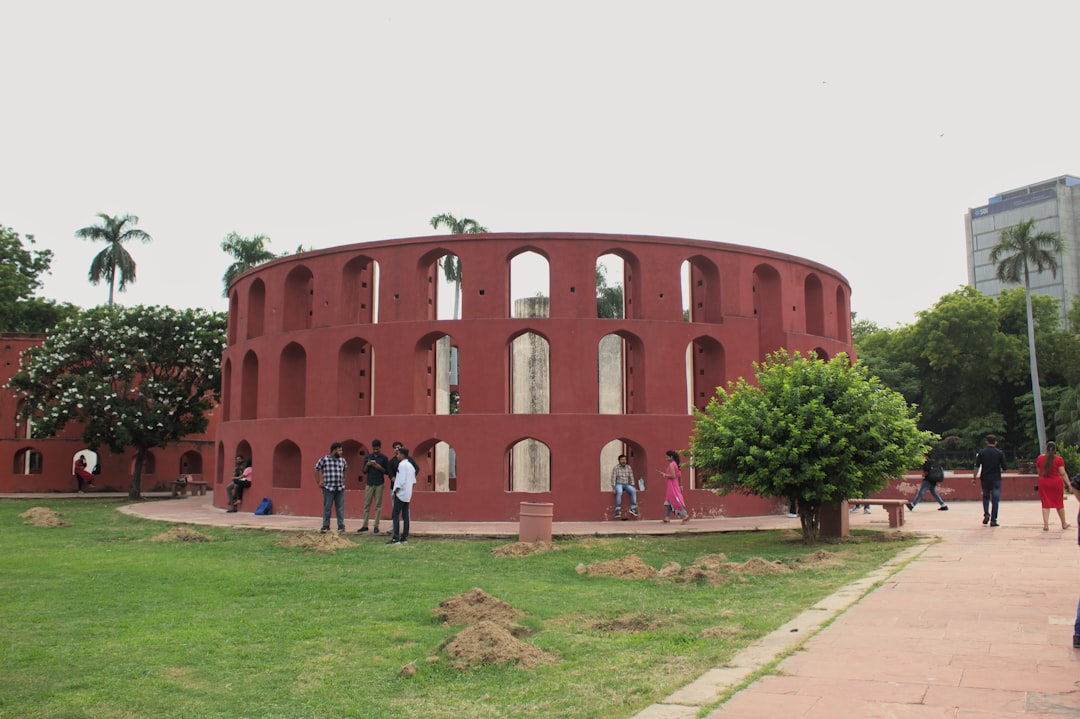
Research indicates a notable gender disparity among applicants, with 120,509 female candidates compared to 97,775 male candidates. This trend highlights the increasing participation of women in higher education, marking a positive step toward gender equity. The growing number of female applicants suggests a shift in societal norms, encouraging more women to pursue higher education and career opportunities.
Furthermore, the allocation process is influenced by CUET performance, which is crucial for admission outcomes. As students prepare for the next rounds, they need to understand how their scores will impact their chances. CUET scores affect initial seat allocations and the cut-off marks released with the merit list, as noted in the Common University Entrance Test (CUET) Guidelines.
Adapting to Changing Educational Landscapes
The implications of these trends extend beyond individual admissions. As universities adapt to changing student demographics, they may need to revise their academic offerings and support services. For instance, DU’s recent announcement about changing combinations for certain Bachelor of Arts programs responds to declining demand for specific courses. This adaptability is vital for institutions aiming to remain relevant and attractive to prospective students.
As students prepare for the next rounds, they need to understand how their scores will impact their chances.
Overall, the first seat allocation list is a pivotal moment for students and institutions alike. It sets the tone for the upcoming academic year and shapes the higher education landscape in India. The release of the first seat allocation list for DU UG 2026 is not merely a procedural step; it reflects the evolving educational landscape in India. As students navigate their options, they must stay proactive and informed about their choices. The upcoming rounds of seat allocation will clarify the paths available to them, making it crucial to stay engaged with the process.
As the academic year approaches, students should monitor how the admissions landscape may shift after the first allocations. With a second seat allotment list coming soon, many candidates will be eager to see how their preferences align with available options.

Frequently Asked Questions
What should undergraduate students do after the DU UG 2026 merit list is released?
After the DU UG 2026 merit list is released, students should check their allocated seats. They must confirm their acceptance within the specified timeframe, prepare for document verification, and pay the admission fee to secure their place.
Changes in course combinations and the number of applicants can affect competition for popular programs, influencing students’ choices and future prospects.
How does the first seat allocation affect my admission chances?
The first seat allocation provides insight into your chances of admission based on your CUET scores and overall competition. If you receive an allocation, it means your scores met the required cut-off for that program.

What are the implications of the DU UG 2026 seat allocation for students in humanities?
The DU UG 2026 seat allocation highlights trends in student preferences, especially in the humanities. Changes in course combinations and the number of applicants can affect competition for popular programs, influencing students’ choices and future prospects.
Related Articles
- India’s AI Data Centers Create Demand for Engineers and Analysts
- Why Lucid’s Bankruptcy Rumors Are Worrying for EV Startups
Written by Career Ahead AI. AI can make mistakes, so verify key facts. Report errors to support@careeraheadonline.com.