Delhi, India — Delhi University recently made a controversial decision to remove its designated ‘Walls of Democracy,’ spaces where students could post notices and express their opinions. This move has significant implications for student engagement and democratic expression on campus, particularly in light of recent political developments in the country.
The university’s decision came after security staff were observed tearing down posters and informing students that the walls no longer existed. This change has sparked outrage among student groups, particularly the Students’ Federation of India (SFI), which argues that these walls served as crucial forums for political and social dialogue. The removal of these spaces appears to undermine the very essence of democratic engagement within the university.
Historically, these walls allowed students to voice their opinions, organize protests, and promote events. During the recent Delhi University Students’ Union (DUSU) elections, the walls were a battleground for competing political parties, showcasing the vibrant political life that has characterized the campus. However, the abrupt removal of these walls raises questions about the university’s commitment to fostering an environment conducive to free expression.
The Impact of Removing Democratic Spaces at Delhi University
The removal of the ‘Walls of Democracy’ could have far-reaching consequences for students at Delhi University. These spaces were more than just physical locations for posting notices; they were symbols of student activism and engagement. By eliminating them, the university risks stifling political discourse and reducing opportunities for students to engage in meaningful dialogue about pressing issues.
Mid-career students, who often take on leadership roles in student organizations, may find their ability to mobilize support and communicate their messages significantly hindered.
This move may particularly affect various student demographics. For entry-level students, especially freshers, the walls provided a platform to learn about campus politics and engage with different ideologies. Mid-career students, who often take on leadership roles in student organizations, may find their ability to mobilize support and communicate their messages significantly hindered. Additionally, students looking to switch careers or fields of study often use such platforms to gather information and network.
 News
NewsGermany Leads Survey of Study Destinations for Indian Students
Germany’s international enrolment, work limits and graduate stay options sit alongside different living costs in Berlin and Munich.
Read More →Moreover, the decision could impact student morale and involvement in campus activities. When students feel that their voices are not heard, they may become disengaged, leading to a decline in participation in student governance and related initiatives. This disengagement can further perpetuate a cycle of apathy, undermining the democratic fabric of the university.
According to a report by the National Union of Students (NUS), campuses that support open dialogue and political expression tend to foster more engaged and informed student bodies. Thus, the removal of these walls could lead to a less informed student population, ultimately affecting their future careers and civic engagement.
Taking Action in Response to Changes at Delhi University
In light of these developments, students and concerned stakeholders must take proactive steps to ensure that democratic expression is not entirely stifled at Delhi University. Here are some actionable steps that can be taken:
- Organize Awareness Campaigns: Students can initiate campaigns to raise awareness about the importance of democratic spaces on campus. This could involve workshops, discussions, and social media outreach to engage the broader student body.
- Engage with Administration: Forming a coalition of student representatives to engage in dialogue with university administration can help address concerns regarding the removal of the walls. Proposing alternative platforms for expression, such as digital forums or designated bulletin boards, may be a constructive approach.
- Leverage Social Media: Students can use social media platforms to voice their opinions and organize events, ensuring that their messages reach a wider audience. This can also serve as a means to mobilize support for reinstating the walls or creating new avenues for expression.
- Document and Share Experiences: Encouraging students to document their experiences related to the removal of the walls can help build a case for reinstating them. Sharing these stories through blogs, vlogs, or campus publications can highlight the importance of democratic spaces.
However, experts warn that this trend may not be sustainable. According to Dr. Priya Sharma, a political scientist at Delhi University, limiting spaces for expression can lead to increased frustration among students. “When students feel their voices are suppressed, it often leads to more significant unrest and demands for change,” she notes. This perspective highlights the potential consequences of stifling student engagement.
The Future of Student Expression at Delhi University
 Education & University Insights
Education Leaders Stress Early University Succession
The conclave brought institutional and technology leaders together to examine university transitions and long-term vision.
Read More →Looking ahead, the future of student expression at Delhi University remains uncertain. While the removal of the ‘Walls of Democracy’ poses challenges, it also presents an opportunity for students to innovate new forms of engagement. As the landscape of political expression evolves, students may find alternative ways to communicate their ideas and mobilize support.
Thus, the removal of these walls could lead to a less informed student population, ultimately affecting their future careers and civic engagement.
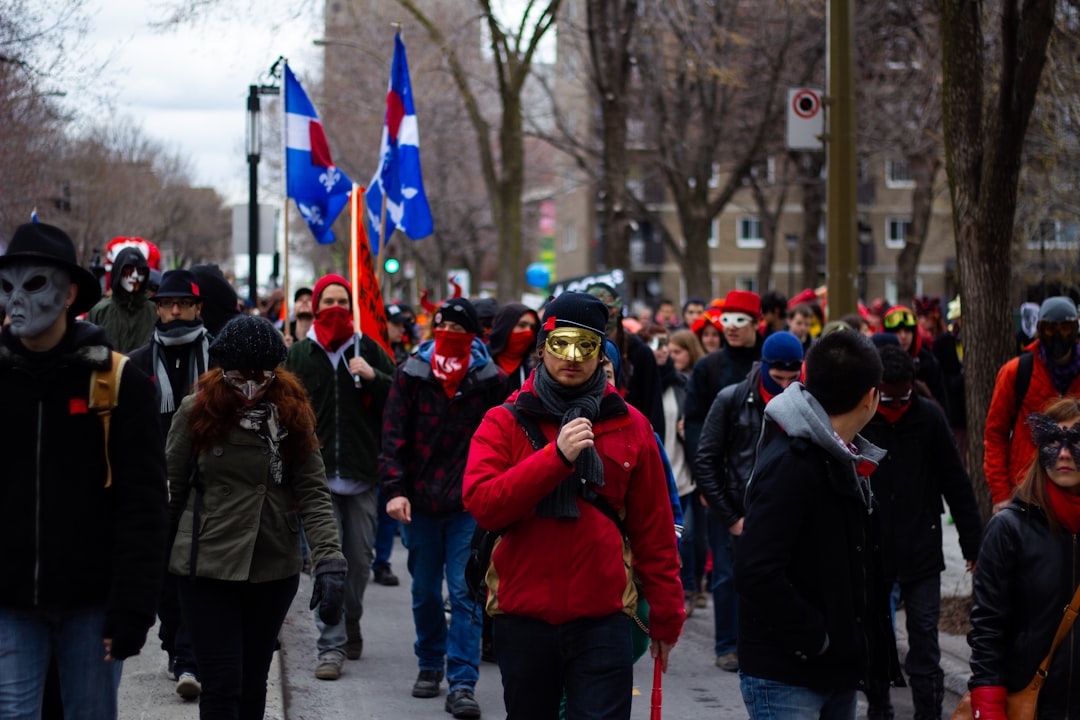
Moreover, this situation could prompt broader discussions about the role of universities in fostering democratic values. If students can effectively advocate for their rights to express themselves, it may lead to significant policy changes within the university. Ultimately, the commitment to maintaining a vibrant democratic culture on campus will depend on the collective efforts of students, faculty, and administration.
What strategies will students adopt to ensure their voices are heard in the face of these challenges?
Written by Career Ahead AI. AI can make mistakes, so verify key facts. Report errors to support@careeraheadonline.com.