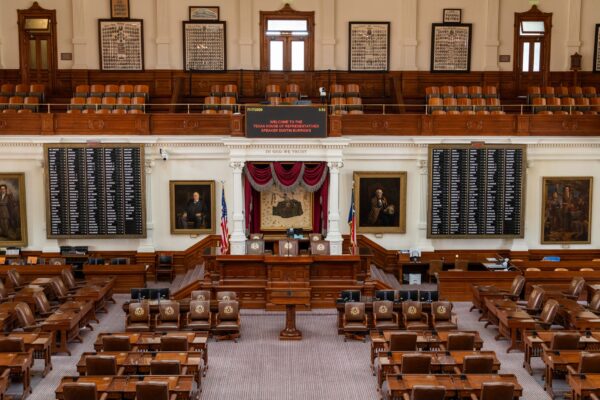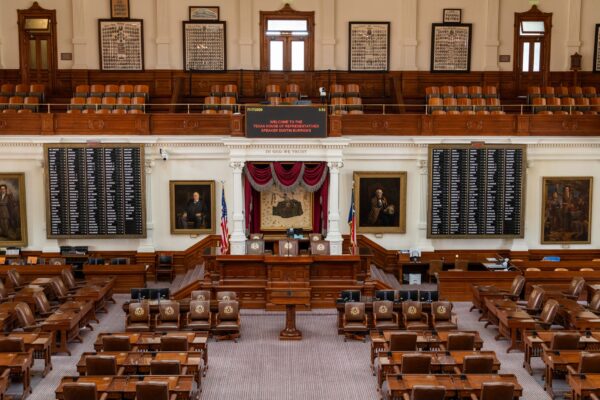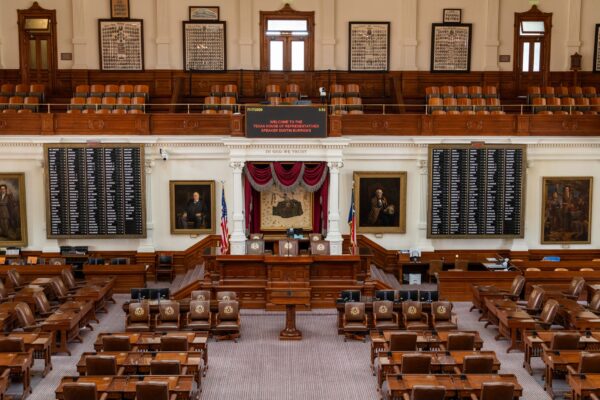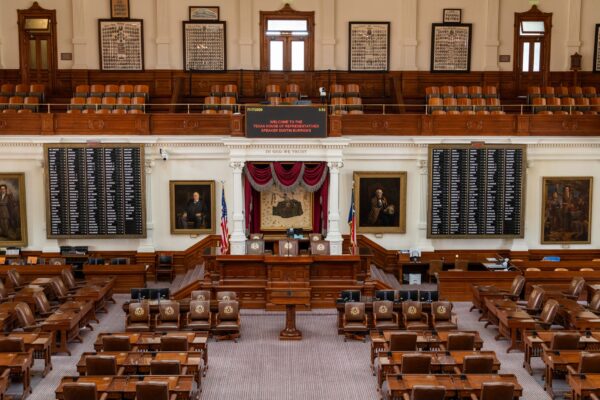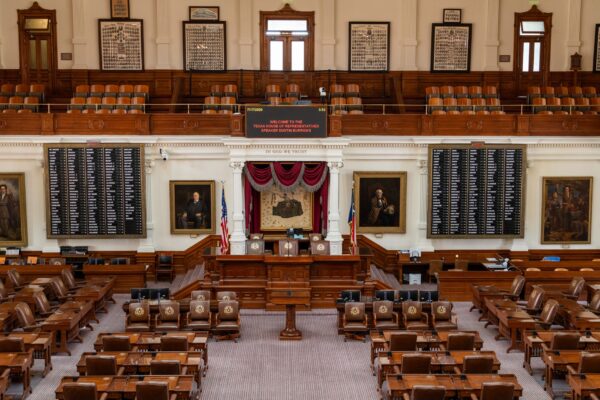
Democrats swept the midterms, and the Republican party lost control of the House of Representatives and the Senate.
Markets Reversed Their Initial Reaction
Markets initially dropped in early trading in Asia overnight, then rallied as investors weighed the midterm results. The sequence records a reversal within the trading period: the first reaction was negative, while the later one was positive. Investors were assessing the election outcome as markets recovered, leaving the immediate response mixed rather than a steady decline or advance.¹
The “Mr Veto” warning raised the prospect of a turbulent finale. A veto can be overturned only if two-thirds of both chambers agree, making the House of Representatives and the Senate both part of the override threshold. The warning puts the veto power at the centre of the political standoff, while the rule sets out the number of votes required to reverse one.¹
US Inflation and Oil Prices Remain Under Pressure
US diesel prices surged to a record high in August. The US headline inflation rate rose to 3.7%. These are separate measures: diesel prices track a fuel cost, while the headline inflation rate captures a broader price measure. Both figures describe pressure in the US economy, but the available figures do not establish that one caused the other.¹
The US-Israeli invasion of Iran led to the closure of the Strait of Hormuz, described as a critical strait.
The US-Israeli invasion of Iran led to the closure of the Strait of Hormuz, described as a critical strait. The closure forms part of the energy backdrop alongside the reported movement in oil prices. The available details establish the sequence between the invasion and the closure, but provide no figure for the amount of oil affected or the duration of the closure.¹
 Featured
Europe’s Rulebook for Algorithmic Managers Arrives by December 2026
The EU Platform Work Directive forces platform companies to disclose automated task allocation, performance evaluation and monitoring, and to provide human review of decisions. Member…
Read More →The oil price fell by as much as 9% on Wednesday and traded below $100 a barrel for the first time in a month. Brent crude, the international benchmark, traded at about $94. That remained above its prewar level of about $70. The fall therefore marked a retreat from recent prices, while the Brent figure still stood higher than the prewar reference point.¹
Inflation and Interest-Rate Decisions Reach Beyond the US
The International Monetary Fund expects global headline inflation to rise to 4.7% this year. That is a global projection, separate from the US headline inflation rate of 3.7%. The two figures cover different geographic measures, so the global projection does not describe the US rate. Together, they show that the inflation figures in view extend beyond the United States.¹
The US Federal Reserve increased the cost of borrowing for the first time since 2023, defying pressure from Trump. Investors anticipated at least one more rate increase from the Fed. The first increase and investors’ expectation of another are distinct developments: one was a decision already made, while the other described what investors anticipated next.¹
The Bank of England was expected on Thursday to raise rates, and the European Central Bank was also expected to push up borrowing costs. Those expectations placed both institutions among the central banks facing higher borrowing costs. The reported details do not specify the size of either anticipated move, so the two decisions can be compared only by their expected direction.¹
The first increase and investors’ expectation of another are distinct developments: one was a decision already made, while the other described what investors anticipated next.¹
Appointments and Spending Face Political Constraints
Republicans lacked the votes to confirm new appointments to critical public bodies. Separately, politicians had to agree to authorise government spending on 11 December to avoid a shutdown. The appointment question concerns confirmation votes; the spending question concerns authorising funds. Both required political agreement, but they involved different decisions and different consequences if agreement failed.¹
 Featured
Colorado Sued, Blocked, and Rewrote Its AI Law: The Hiring Rulebook Keeps Moving
In April 2026, xAI sued Colorado to stop the first comprehensive US AI law from taking effect. A federal court blocked it, and the legislature…
Read More →Holger Schmieding, chief economist at Berenberg, said US voters had rejected an authoritarian penchant for crony capitalism and that US institutions and checks and balances worked. His comment linked the election result to the operation of those institutions. The statement addresses the political checks on power; it does not change the separate vote thresholds for appointments or veto overrides.¹
The IMF forecast US growth at 2.3% this year and next. Berenberg analysts said US growth could slow to about 1.5% in 2028 amid political gridlock. The forecasts describe different periods: the IMF figure covers this year and next, while the Berenberg figure concerns 2028. The latter is framed as a possibility rather than a settled outcome.¹
Plan for Rate Hikes and Gridlock
If you are negotiating a loan, a mortgage, or a business line of credit, build in room for more expensive money. The Federal Reserve raised borrowing costs for the first time since 2023, and investors anticipate at least one more increase. The Bank of England and the European Central Bank are also expected to push up borrowing costs. That means your cost of capital rises across major markets, so ask for fixed-rate terms or shorter durations before the next hike lands.¹
Republicans lack the votes to confirm new appointments to critical public bodies, and politicians must agree to authorise government spending by 11 December to avoid a shutdown.
If you work in an industry tied to US government contracts, grants, or confirmations, expect delays. Republicans lack the votes to confirm new appointments to critical public bodies, and politicians must agree to authorise government spending by 11 December to avoid a shutdown. Meanwhile, the IMF sees US growth at 2.3% this year and next, but Berenberg analysts put 2028 growth near 1.5% under gridlock. Plan for slower contract cycles and a possible funding pause.¹
Sources
Written by Career Ahead AI. AI can make mistakes, so verify key facts. Report errors to support@careeraheadonline.com
 Government & Policy
PhD Credentials Now Required for Mid-Level AI Compliance Jobs
Universities have responded to industry demand by expanding PhD programs in AI ethics by 40% since 2023.
Read More →