No products in the cart.

Derivatives Trader Base Declines for First Time | Career Outlook
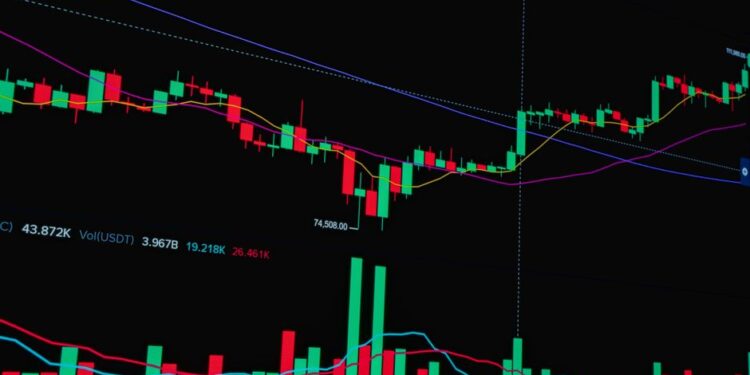
India's derivatives trader base fell by 19% in fiscal year 2026, marking the first decline in four years, according to a recent study by the Securities and Exchange Board of India (SEBI).

India’s derivatives trader base fell by 19% in fiscal year 2026. This marks the first decline in four years, according to a recent study by the Securities and Exchange Board of India (SEBI). The number of individual traders dropped to 7.86 million from 9.81 million the previous year. This decline highlights shifts in trading behavior and market participation, raising concerns about future market dynamics and liquidity.
The drop in participation is significant. Retail traders have historically made up the largest segment in the derivatives market. Despite fewer active traders, the average loss per trader increased to ₹1.16 lakh. This shows ongoing challenges for those still active in the market. It calls for a closer look at the factors behind this decline and its implications for financial analysts and derivatives traders.
Factors Behind the Decline in Trader Participation
The decline in derivatives traders comes from regulatory measures and broader market conditions. SEBI has made several changes to curb retail losses. These include limiting weekly expiries to one index per exchange and raising the minimum contract value to ₹15 lakh-₹20 lakh. While these measures aim to protect investors, they have led to reduced trader participation. The SEBI report states these changes were introduced due to rising retail losses, which had reached concerning levels.
However, SEBI warns against blaming the decline solely on these regulatory changes. The analysis shows that participation was already moderating before these measures took effect. This suggests a trend of risk aversion among traders, possibly due to market volatility and the complexity of derivatives trading. The SEBI report also noted a shift in overall market sentiment. Many traders are concerned about unpredictable market movements, leading to a more cautious approach.
Additionally, the percentage of traders incurring losses has slightly decreased, from 90.9% in FY25 to 87.7% in FY26. This small decline suggests some traders are adapting to challenging market conditions. However, high average losses indicate many traders still struggle to achieve profitability. The rising average loss per trader reflects ongoing difficulties in navigating the derivatives landscape, where risks can be substantial. Financial analysts stress that understanding the factors behind these losses is crucial for developing effective trading strategies.
Financial analysts stress that understanding the factors behind these losses is crucial for developing effective trading strategies.
You may also like
 Industry & Global Trends
North Sea Oil Strikes Threaten UK Fuel Supply Stability
A potential strike by North Sea oil workers could disrupt UK fuel supplies, highlighting labor relations issues in the energy sector as workers demand fair…
Read More →Career Ahead’s analysis finds that the decline in trader participation may reflect a shift in market sentiment. Traders are becoming more cautious. As the number of active traders decreases, the remaining participants may trade more intensely. They may focus on short-duration positions to capitalize on quick gains. This shift in strategy could create a more volatile trading environment. Fewer traders competing for the same opportunities may worsen price swings.
Implications for Market Liquidity and Trading Strategies
The reduction in the derivatives trader base raises concerns about market liquidity. Fewer participants can lead to wider bid-ask spreads and increased volatility. This makes it harder for traders to execute their strategies effectively. Financial analysts may need to rethink their trading strategies and risk management practices. As liquidity decreases, the cost of entering and exiting positions may rise, impacting overall market efficiency.
As market dynamics change, traders may need to adapt by focusing on stronger risk management techniques. The increasing average loss per trader shows many still face significant risks. This highlights the need for better education and resources to navigate derivatives trading complexities. Financial analysts must consider these factors when advising clients or developing trading strategies. The evolving landscape may also require a greater emphasis on technology. Traders can use advanced analytics and algorithmic trading to gain insights and execute trades more efficiently.
Moreover, the regulatory environment around derivatives trading is likely to keep evolving. As SEBI monitors the impact of its measures, further adjustments may be needed. These adjustments will aim to balance market stability with trader participation. Analysts should stay informed about potential regulatory changes that could affect market dynamics and trader behavior. The SEBI report indicates that ongoing adjustments will be crucial for fostering a resilient trading environment where both retail and institutional traders can thrive.

In light of these developments, technology’s role in trading strategies may become increasingly important.
In light of these developments, technology’s role in trading strategies may become increasingly important. Analysts and traders who use advanced analytics and algorithmic trading could gain a competitive edge in a shrinking market. This will help them make informed decisions and execute trades more efficiently. As the market evolves, integrating technology into trading practices will likely be key to success.
The decline in the derivatives trader base signals a potential shift in the trading landscape. This raises questions about the future of this market segment. As retail participation continues to fall, financial analysts must monitor trends and adapt their strategies. The ongoing challenges for traders suggest the market may become more concentrated among institutional players. This could further impact liquidity and trading dynamics.
You may also like
 Industry & Global Trends
The Impact of Yield Increases on Equity Strategies
Equity markets are adjusting to rising yields, which significantly impacts investment strategies for equity research analysts and investment bankers. Understanding sector performance in response to…
Read More →Career Ahead has identified a growing need for financial analysts to understand risk management and market behavior better. They must refine their approaches to account for changing trader demographics and increasing market complexity. Looking ahead, the interplay between regulatory measures and market participation will be critical. If SEBI continues to implement changes to stabilize the market, trader participation could rebound. Conversely, if the decline continues, analysts may need to prepare for a market increasingly dominated by institutional traders, reshaping the competitive landscape.
Ultimately, the future of derivatives trading in India depends on traders and analysts adapting to these changes. Staying informed and agile will be key to navigating the challenges and opportunities ahead.
Frequently Asked Questions
What factors contributed to the decline in derivatives traders?
The decline in derivatives traders is due to regulatory measures by SEBI and a trend of risk aversion among traders. Participation had already started to moderate before these measures, indicating changing market conditions.
Adapting to new conditions and improving risk management will be essential for success.
How can financial analysts adjust their strategies in light of fewer traders?
Financial analysts may need to refine their risk management techniques. Staying informed about regulatory changes that could affect market dynamics will be crucial for developing effective trading strategies.

What should derivatives traders do to remain competitive in a shrinking market?
Traders should leverage technology and advanced analytics to enhance their trading strategies. Adapting to new conditions and improving risk management will be essential for success.
You may also like
 Industry & Global Trends
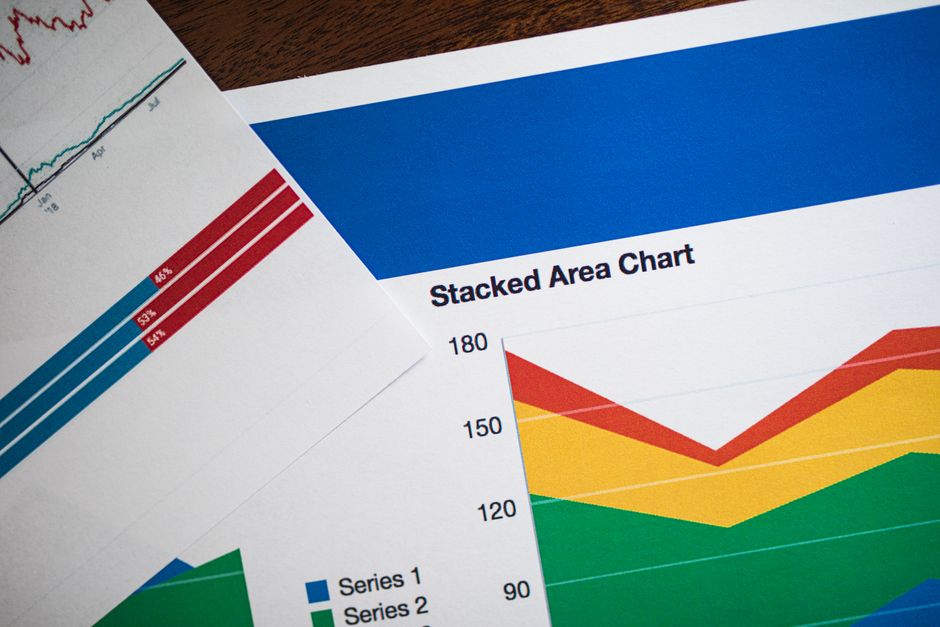
Nifty 50 Stocks Plunge Below 200-DMA Amid Selloff
The Indian stock market is witnessing a significant downturn, with 84% of Nifty 50 stocks trading below their 200-day moving averages. This trend raises concerns…
Read More →