No products in the cart.

University of Texas to Remove Cesar Chavez Statue From Austin Campus | Career Outlook
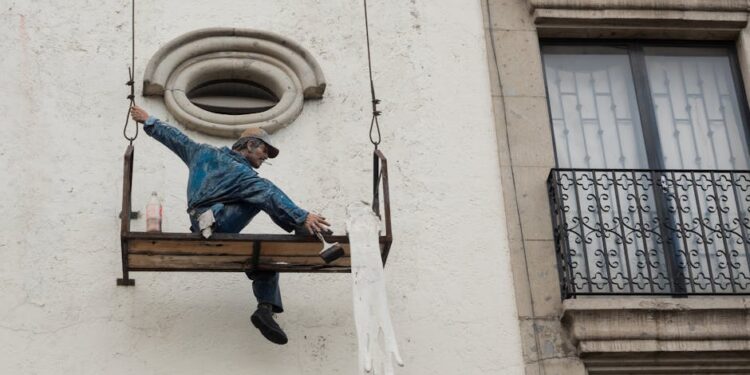
The University of Texas at Austin has officially removed the statue of labor leader Cesar Chavez from its campus, reflecting a broader trend of reassessing historical figures in light of contemporary ethical standards.

City, United States — The University of Texas at Austin has officially removed the statue of labor leader Cesar Chavez from its campus. This decision, announced on June 4, 2026, follows serious allegations of sexual abuse against Chavez, which have led to similar actions taken by other institutions across the country. The statue, which was erected in 2007, has now become a focal point in a larger discussion about how universities memorialize historical figures and the values they represent.
The removal of the Chavez statue is part of a broader trend affecting numerous universities and cities. Institutions have begun reassessing the legacies of historical figures in light of contemporary ethical standards, particularly in response to recent revelations about their past actions. This growing movement raises important questions about how universities should navigate the complex legacies of influential figures and the implications for campus culture.
Impact on Campus Culture and Student Engagement
The decision to remove the Chavez statue is likely to have a significant impact on campus culture at the University of Texas. As students and faculty engage in discussions about the implications of this removal, it can lead to a more inclusive dialogue about representation and how historical figures are honored. Career Ahead’s analysis finds that these discussions can foster a more critical understanding of history among students, encouraging them to explore the complexities of social justice and activism.
Additionally, the removal of the statue may create a shift in how students perceive their university’s commitment to ethical values. When institutions take a stand against figures with problematic legacies, it can enhance students’ sense of belonging and safety on campus. This change can lead to increased student engagement in social justice initiatives and a more active participation in campus life. The New York Times reported that the decision aligns with a growing trend where universities across the U.S. are reevaluating memorials dedicated to figures like Chavez, especially after allegations of misconduct surfaced.
Moreover, the impact of this decision extends beyond the immediate university community. It reflects a growing awareness among students of the need for accountability and transparency in how institutions represent their histories. As students demand more equitable practices, universities may need to adapt their approaches to memorialization, ensuring that they align with the values of their diverse student bodies. However, this shift may also lead to contention among alumni and community members who view the removal as an erasure of history. Universities must navigate these tensions carefully, balancing the need for historical accuracy with the responsibility to create an inclusive environment.
It reflects a growing awareness among students of the need for accountability and transparency in how institutions represent their histories.
In light of these changes, the University of Arizona also announced plans to remove the name of Cesar Chavez from one of its buildings, further illustrating the ripple effects of this movement across educational institutions. This indicates a broader reconsideration of how historical figures are honored, especially when their legacies are marred by allegations of misconduct.
You may also like
 Education & University Insights
NYC Leaders Push for School Integration Amid Segregation
New York City's school system remains one of the most segregated in the U.S. City leaders are now pushing for integration, but advocates emphasize the…
Read More →Changes in Curriculum for Ethnic Studies Programs
The removal of the Chavez statue at UT Austin may prompt changes in the curriculum for ethnic studies programs across the country. As universities reevaluate the figures they honor, there is an opportunity for ethnic studies departments to expand their focus on a broader range of historical and contemporary figures who represent diverse experiences and perspectives. This can enrich the academic discourse within these programs, providing students with a more nuanced understanding of social justice movements.
Career Ahead’s research indicates that institutions that reassess their historical memorials often experience a corresponding shift in their academic offerings. Ethnic studies programs may begin to incorporate critical analyses of the legacies of figures like Chavez, exploring both their contributions and the controversies surrounding them. This dual approach can foster critical thinking and encourage students to engage with complex social issues. Furthermore, the re-evaluation of historical figures can lead to the inclusion of marginalized voices that have historically been overlooked. By diversifying the curriculum, universities can better reflect the experiences of their student populations, promoting a sense of belonging and representation. This change can also attract a wider range of students to ethnic studies programs, as they see their own identities and experiences reflected in the curriculum.
In response to these changes, universities may also need to invest in faculty development and training. Educators must be equipped to handle sensitive discussions about controversial figures and their legacies. This includes understanding the historical context and being able to facilitate constructive dialogues among students with differing perspectives. As reported by KOLD, the University of Arizona’s decision to remove Chavez’s name from its building is part of a larger trend that could influence how ethnic studies programs are structured and what narratives are prioritized.

The decision to remove the Chavez statue raises broader questions about university policies regarding public memorials. As institutions grapple with the implications of honoring historical figures, they may need to develop clearer guidelines for evaluating the legacies of individuals they commemorate. This could involve creating committees that include students, faculty, and community members to assess the appropriateness of memorials on campus.
This could involve creating committees that include students, faculty, and community members to assess the appropriateness of memorials on campus.
Career Ahead’s analysis finds that establishing such policies can help universities maintain transparency and accountability in their decision-making processes. By involving a diverse range of stakeholders, institutions can ensure that their memorialization practices reflect the values and priorities of their communities. This approach can also mitigate backlash from alumni and community members who may feel excluded from the decision-making process.
You may also like
 Education & University Insights
UP ITI Admission Opens Fifth Phase Applications
The fifth phase of UP ITI admissions for the 2026-27 training session will start on October 6, 2026, and will remain open until midnight on…
Read More →In addition, universities may need to consider how they communicate changes in their memorialization practices to the public. Clear and open communication can help manage expectations and foster a sense of understanding among stakeholders. This is particularly important as universities navigate the complexities of historical legacies and their relevance to contemporary values.
As more institutions follow UT Austin’s lead, we may witness a significant shift in how universities across the country approach memorialization. This could lead to a more critical examination of the figures honored in campus spaces, ultimately shaping the future of public memorials in higher education.
The removal of the Cesar Chavez statue at the University of Texas serves as a powerful reminder of the need for ongoing conversations about representation, accountability, and the legacies of historical figures. As universities continue to reassess their memorialization practices, the implications for campus culture, curriculum, and policies will be profound.
Frequently Asked Questions
What are the implications of removing historical statues on campus?
Removing historical statues can lead to significant changes in campus culture and student engagement. It prompts discussions about representation and accountability, encouraging students to critically engage with history and social justice issues.
It prompts discussions about representation and accountability, encouraging students to critically engage with history and social justice issues.
How can students in ethnic studies respond to changes in memorialization?
Students in ethnic studies can leverage these changes to advocate for a more inclusive curriculum that reflects diverse perspectives. Engaging in discussions about the complexities of historical figures can enhance their understanding of social justice movements.
What should university administrators consider when evaluating public memorials?
You may also like
 Education & University Insights
Students Can Access Free Gemini AI and Photoshop in India
Google has launched an offer for university students, providing them with free one-year access to Gemini AI. This includes 400GB of cloud storage and various…
Read More →University administrators should consider the historical context and contemporary values when evaluating public memorials. Involving diverse stakeholders in the decision-making process can help ensure that memorialization practices align with the community’s values.