No products in the cart.

North Sea Oil Strikes Threaten UK Fuel Supply Stability
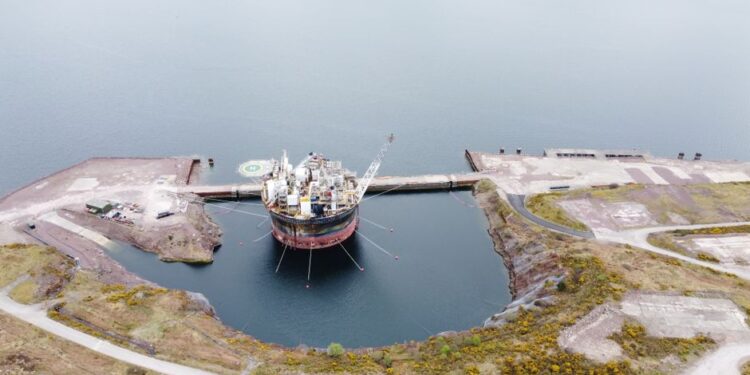
A potential strike by North Sea oil workers could disrupt UK fuel supplies, highlighting labor relations issues in the energy sector as workers demand fair compensation amid rising living costs.

Workers in the North Sea oil sector may soon strike, which could disrupt fuel supplies across the UK. The Unite union announced that over 160 workers from Apache Corporation are ready to take action after pay negotiations failed. This strike could greatly affect the Forties and Beryl oilfields, which are vital to the UK’s energy supply.
The potential strike highlights ongoing issues in labor relations within the energy sector. Workers are seeking fair pay amid rising living costs. Apache’s offer of a 4% pay increase is seen as inadequate by the union. They argue this offer amounts to a real-terms pay cut for many employees, especially given Apache’s soaring profits. Workers have expressed frustration over the gap between their wages and the company’s significant earnings, fueling the desire for industrial action.
Potential Fuel Shortages and Supply Chain Disruptions
A strike at Apache could severely impact UK fuel availability. The Forties pipeline system, essential for transporting oil and gas, may face major disruptions if the strike happens. This pipeline processes about one-third of the UK’s oil and gas, making any interruption a national concern. The Guardian reports that a strike could lead to significant fuel supply disruptions, potentially causing shortages for consumers and businesses.
The Unite union warns that if the strike occurs, the entire Forties pipeline system could be affected, leading to fuel shortages in the UK. This situation is worsened by current geopolitical tensions, especially the US-Israel conflict, which impacts crude oil supplies from the Gulf. UK motorists are already feeling the strain, with diesel prices reaching record highs. The potential strike comes at a time when the UK is already facing rising energy costs, and any disruption could further inflate fuel prices.
Career Ahead’s analysis shows that the strike could lead to immediate fuel shortages and long-term effects on fuel pricing and availability. As supply decreases, prices may rise, straining consumers and businesses that rely on stable fuel supplies. Increased costs could ripple through the economy, impacting logistics and distribution networks across various sectors. Additionally, uncertainty about fuel availability may lead to panic buying among consumers, worsening shortages.
The strike may also spark a broader discussion about energy security in the UK. With rising energy costs, any oil supply disruption could prompt calls for sustainable energy solutions and a reevaluation of UK energy policies. This situation highlights the fragility of the UK’s energy supply chain and the need for a more resilient infrastructure to withstand labor disputes and geopolitical tensions.
The Unite union emphasizes that workers feel they must strike due to Apache’s inadequate pay offers.
Impact on Oil Prices and Job Security in the Sector
You may also like
 Industry & Global Trends
The Impact of Yield Increases on Equity Strategies
Equity markets are adjusting to rising yields, which significantly impacts investment strategies for equity research analysts and investment bankers. Understanding sector performance in response to…
Read More →The potential strikes in the North Sea raise concerns about job security for oil workers. The Unite union emphasizes that workers feel they must strike due to Apache’s inadequate pay offers. With the company reporting large profits, workers demand compensation that reflects their contributions. Reports from various news outlets, including WorldPing News, highlight the growing discontent among workers who feel their livelihoods are at risk.
As the situation evolves, uncertainty about job security may increase anxiety among oil sector workers. If the strike occurs, it may set a precedent for future labor disputes. Workers may feel encouraged to take similar actions if their needs remain unmet, leading to a cycle of industrial action that could destabilize the sector. A prolonged strike could also prompt skilled workers to seek more stable job opportunities in other sectors.
Moreover, the impact on oil prices is significant. The market is sensitive to supply changes, and any reduction in output from the North Sea could lead to price hikes. Current trends suggest that consumers may face even higher costs at the pump, adding financial strain to households and businesses. Rising fuel prices could also increase operational costs for businesses, which may pass these costs onto consumers, further fueling inflation.

As the UK government monitors the situation, the implications of the strike extend beyond immediate fuel supply issues. There could be broader economic consequences as businesses adapt to fluctuating fuel prices and potential shortages. The stability of the energy sector is crucial for the UK’s economic health, and disruptions could have far-reaching effects. Policymakers may need to consider interventions to stabilize the market and protect consumers from the fallout of labor disputes.
In light of these developments, fuel supply chain managers must prepare for potential disruptions.
In light of these developments, fuel supply chain managers must prepare for potential disruptions. Understanding the dynamics of the North Sea strikes will be essential for effective operational planning in the coming weeks. Ongoing negotiations between Apache and the Unite union will be critical in determining the future of fuel supply and pricing in the UK.
As the situation unfolds, stakeholders in the energy sector must stay alert. The outcome of negotiations between Apache and the Unite union will be pivotal for fuel supply and pricing in the UK. If the strike occurs, the government and industry leaders may need to intervene to lessen the impact on consumers and businesses.
You may also like
 Industry & Global Trends
Nifty 50 Stocks Plunge Below 200-DMA Amid Selloff
The Indian stock market is witnessing a significant downturn, with 84% of Nifty 50 stocks trading below their 200-day moving averages. This trend raises concerns…
Read More →Additionally, the broader implications of this labor action could prompt a reassessment of energy policies in the UK. As consumers demand more accountability from energy companies, there may be increased pressure on the government to explore alternative energy sources and improve labor conditions in the sector.
The potential for rising fuel prices and supply shortages raises critical questions about the future of energy security in the UK. Stakeholders must consider how to navigate these challenges while meeting the needs of both workers and consumers.
In conclusion, the North Sea oil workers’ strike marks a significant turning point for the UK energy sector. The interplay between labor actions, fuel supply, and market dynamics will shape the future of energy in the country. As the situation develops, all eyes will be on Apache and the Unite union to see how this critical issue resolves.
Career Ahead analysis indicates that fuel supply chain managers should prepare for potential disruptions due to the North Sea strikes.
Frequently Asked Questions
What are the implications of the North Sea oil strikes for fuel supply chain managers?
Career Ahead analysis indicates that fuel supply chain managers should prepare for potential disruptions due to the North Sea strikes. With reduced output from key oil fields possible, operational planning will be crucial to mitigate impacts on logistics and distribution.
How might fuel prices change due to the strikes by North Sea oil workers?
Career Ahead research finds that if the strikes occur, fuel prices are likely to rise due to decreased supply. This situation could lead to increased costs for consumers and businesses, further straining the economy.

What should North Sea oil workers consider during the strike period?
North Sea oil workers should weigh the risks and benefits of striking, especially regarding job security and pay negotiations. Understanding the broader implications of their actions on the industry and their livelihoods will be essential.
You may also like
 Industry & Global Trends
The Inflation Impact of Energy Prices and AI Advancements
Vanguard's recent analysis highlights how escalating energy prices and advancements in AI technology are keeping inflation rates high. This trend poses significant challenges for financial…
Read More →