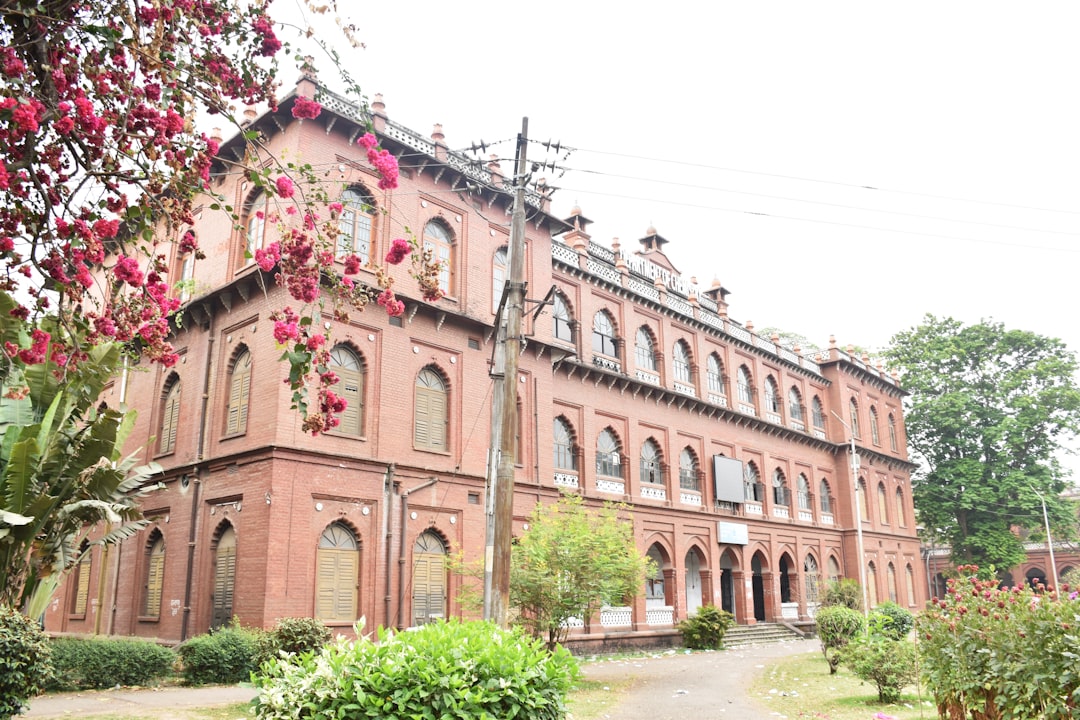
The suspension of teachers at Dhaka University has raised alarms about academic freedom in Bangladesh, reflecting a troubling trend of political influence in higher education.
Dhaka, Bangladesh — On July 30, 2026, Dhaka University announced the temporary suspension of three teachers and relieved four others of their academic and administrative duties. The university cited various allegations, including actions against a recent mass uprising, anti-government propaganda, and support for a banned organization. This decision has alarmed rights groups and educational advocates, who see it as a serious threat to academic freedom.
Justice Makers Bangladesh (JMBF), an international human rights organization, condemned the actions taken by Dhaka University, stating that these measures seem motivated by the teachers’ political beliefs and dissenting views. Such actions violate the rights of the affected academics and undermine institutional autonomy and academic freedom, which are vital in a democratic society.
JMBF emphasized that universities should be safe spaces for independent thought and critical inquiry. The organization’s founder, Shahanur Islam, expressed deep concern over targeting educators based on political opinions or peaceful dissent. He asserted that credible allegations against academics should be independently investigated and resolved through due process, not used for political retaliation. This view reflects broader worries about the decline of academic freedom in Bangladesh, where political pressures increasingly affect educational environments.
The suspension of these educators is part of a larger trend of administrative control over faculty in Bangladesh, raising questions about the future of academic governance in the country. This pattern may create a chilling effect on teaching and research activities, pressuring faculty members to conform to political ideologies and stifling academic discourse and innovation. A report by The Daily Star highlights the ongoing struggle for autonomy at Dhaka University and the challenges faced by educators who want to maintain academic integrity amid political partisanship.
Consequences for Academic Freedom
The recent actions by Dhaka University set a worrying precedent for administrative control over faculty members. Such measures can create a climate of fear among educators, discouraging them from expressing dissenting opinions or engaging in critical scholarship. The impact extends beyond individual educators and threatens the integrity of academic institutions. Relying on political alignment for academic advancement can lead to a lack of diverse thought, stifling creativity and innovation.
The suspension of these educators is part of a larger trend of administrative control over faculty in Bangladesh, raising questions about the future of academic governance in the country.
As universities become battlegrounds for political ideologies, faculty autonomy is increasingly compromised. Decisions driven by political considerations can undermine the core mission of universities: fostering critical thinking and promoting the free exchange of ideas. This shift risks making academic institutions less about education and more about enforcing conformity, potentially deterring qualified candidates from seeking positions in institutions where academic freedom is not guaranteed.
Impact on Hiring Practices and Institutional Integrity
The situation raises concerns about hiring practices in higher education. If faculty members are seen as politically vulnerable, universities may struggle to attract and retain talented educators. The fear of administrative repercussions could discourage qualified candidates from applying to institutions lacking academic freedom. JMBF emphasizes that the integrity of academic institutions depends on protecting educators from political retaliation, allowing them to engage in independent research and teaching without fear.
Given these developments, it is vital for higher education administrators to actively protect academic freedom and institutional integrity. This includes creating policies that safeguard faculty rights and promote a culture of open dialogue and inquiry. Without such measures, the future of academic freedom in Bangladesh could be at risk, leading to a decline in the quality of education and research output. The international community, including organizations like JMBF, is closely monitoring the situation at Dhaka University, as the outcome could set a significant precedent for academic governance in the country.
National Dialogue on Higher Education
The repercussions of Dhaka University’s actions extend beyond the immediate suspensions, sparking a national conversation about the role of political influence in academic institutions. Many educators and students are expressing concerns about the growing politicization of universities and the potential decline of academic standards. The Daily Star noted that the struggle for autonomy at Dhaka University reflects a larger issue facing educational institutions across the country.
The integrity of higher education in Bangladesh is at risk if these trends continue. Relying on political alignment for academic advancement can stifle creativity and innovation, with long-term implications for the country’s ability to compete in a global knowledge economy. Additionally, the international reputation of Bangladeshi universities could suffer from such incidents, making it harder to attract international collaborations, funding, and talented scholars.
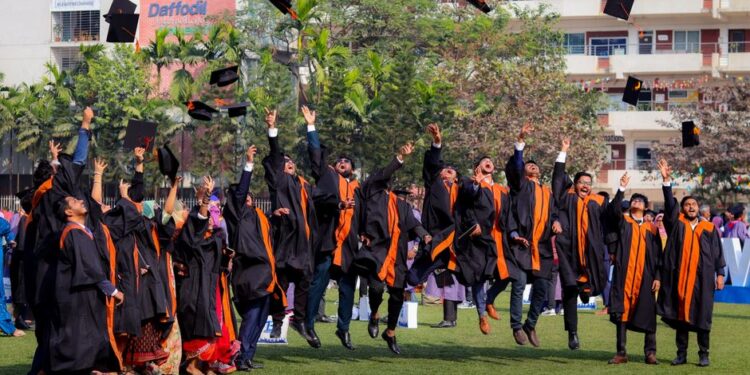
Mahindra University held its fifth convocation on August 4, 2026, awarding degrees to 1,309 graduates and inaugurating the Bajaj Engineering Skills Training Centre.
Given these developments, it is vital for higher education administrators to actively protect academic freedom and institutional integrity.
The call for an end to political interference in universities is crucial for the health of the entire educational ecosystem. Faculty members must be able to engage in critical inquiry and independent research, vital for advancing knowledge and societal progress. As the educational landscape in Bangladesh evolves, stakeholders must advocate for policies that prioritize academic freedom and institutional integrity.
Guidance for Faculty and Administrators
Faculty members facing administrative actions should document all communications and seek support from academic unions or legal counsel. Understanding their rights and the procedures for addressing grievances is essential. Administrators can protect academic freedom by implementing clear policies that safeguard faculty rights and promote a culture of open dialogue while resisting political pressures that undermine institutional autonomy.
Teachers have the right to due process in suspension cases, including being informed of the charges against them and the opportunity to present their case. Legal frameworks vary by country, so it is essential to consult local laws and regulations.



Education & University Insights

 Education & University Insights