No products in the cart.

Diesel Crisis Puts Poor Farmers Around the World
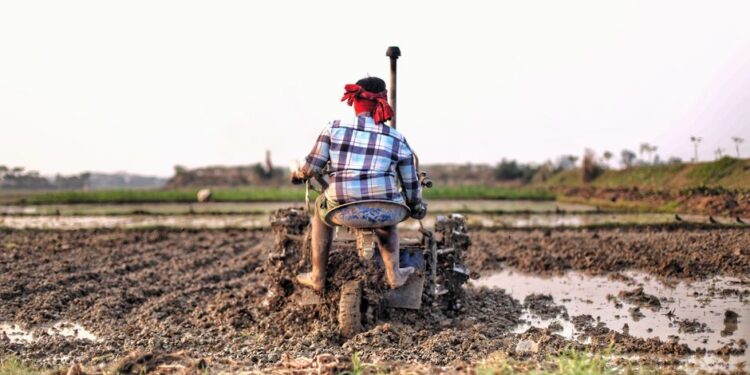
Farmers worldwide are grappling with rising diesel costs and limited access to fuel, threatening irrigation and food supply chains.

The diesel crisis is causing major problems for farmers worldwide. Those who depend on diesel for irrigation are hit hardest. The closure of the Strait of Hormuz has limited diesel shipments, leading to shortages and high prices. This situation threatens farmers’ ability to operate and affects the entire food supply chain.
In areas like South Asia and the United States, farmers face rising diesel costs and limited fuel access. Reports show that in Bangladesh, farmers wait long hours at gas stations, often in extreme heat, to get diesel for their irrigation pumps. This has caused tensions in local communities as desperation grows. The New York Times reports that many farmers cannot irrigate their crops, raising fears of crop failures and food shortages.
Rising Fuel Costs and Their Impact on Irrigation
As diesel prices rise, small-scale farmers feel the strain. Career Ahead’s analysis shows that diesel prices have surged, making it hard for farmers to irrigate effectively. Many are cutting back on irrigation, risking crop failures and lower yields. The National Agricultural Statistics Service (NASS) indicates that farmers now spend more of their budgets on fuel, which could reduce agricultural productivity.
In the United States, farmers report that high diesel costs are squeezing their profits, especially during the planting season. A report from Market Realist highlights that American farmers are facing the worst diesel price surge since 2022, which is concerning as they prepare for spring planting. This financial strain is worsened by tariffs and drought conditions, threatening stable production levels.
The impact goes beyond crop yields. When farmers cannot irrigate properly, crop quality suffers, leading to potential losses in market value. This is especially worrying for small-scale farmers who depend on consistent crop quality to survive. The Guardian notes that many farmers are barely getting by, and rising diesel costs are pushing them closer to financial collapse.
Career Ahead research shows that rising diesel costs are forcing farmers to rethink their irrigation methods.
You may also like
R M Naik Assumes Role as NAU Vice-Chancellor
Naik's appointment by the Gujarat government through a notification from the agriculture, farmers welfare, and cooperation department signifies a potential shift in leadership style and…
Read More →Career Ahead research shows that rising diesel costs are forcing farmers to rethink their irrigation methods. Some are looking into solar-powered irrigation systems as a long-term solution. However, the initial investment can be a barrier for many small-scale farmers. As they deal with immediate financial pressures, transitioning to renewable energy may not be possible for all, leaving many vulnerable to ongoing fuel price changes.
Geopolitical Events and Their Role in the Crisis
The diesel crisis is closely tied to geopolitical tensions, especially in the Middle East. The closure of the Strait of Hormuz, a key shipping route for oil, has limited diesel supply to many areas, worsening fuel shortages. This situation highlights how vulnerable agricultural supply chains are to geopolitical events. Farmers are increasingly affected by global politics, with rising fuel prices linked to instability in oil-producing regions. As diesel becomes more expensive and harder to find, the agricultural sector feels the impact. Food inflation is likely to rise, affecting consumers and possibly leading to unrest in agriculture-dependent areas.
This situation has sparked discussions among policymakers about the need for energy diversification in agriculture. As the crisis continues, there is a growing awareness that relying on diesel for irrigation is unsustainable. Governments and agricultural organizations are urged to invest in renewable energy sources to reduce risks from fuel shortages. The New York Times emphasizes that without immediate action, the agricultural sector could face severe consequences, including widespread food insecurity and increased poverty among farming communities.
Career Ahead’s analysis suggests that the current crisis may lead to changes in agricultural practices. Farmers might adopt alternative energy solutions or adjust their irrigation schedules to cope with fuel scarcity and higher costs. This transition will need support from both the government and private sector to help farmers adapt without risking their livelihoods. As the diesel crisis continues, it is essential for farmers and agricultural technicians to stay informed about changes in energy policy and resources for transitioning to alternative energy sources.
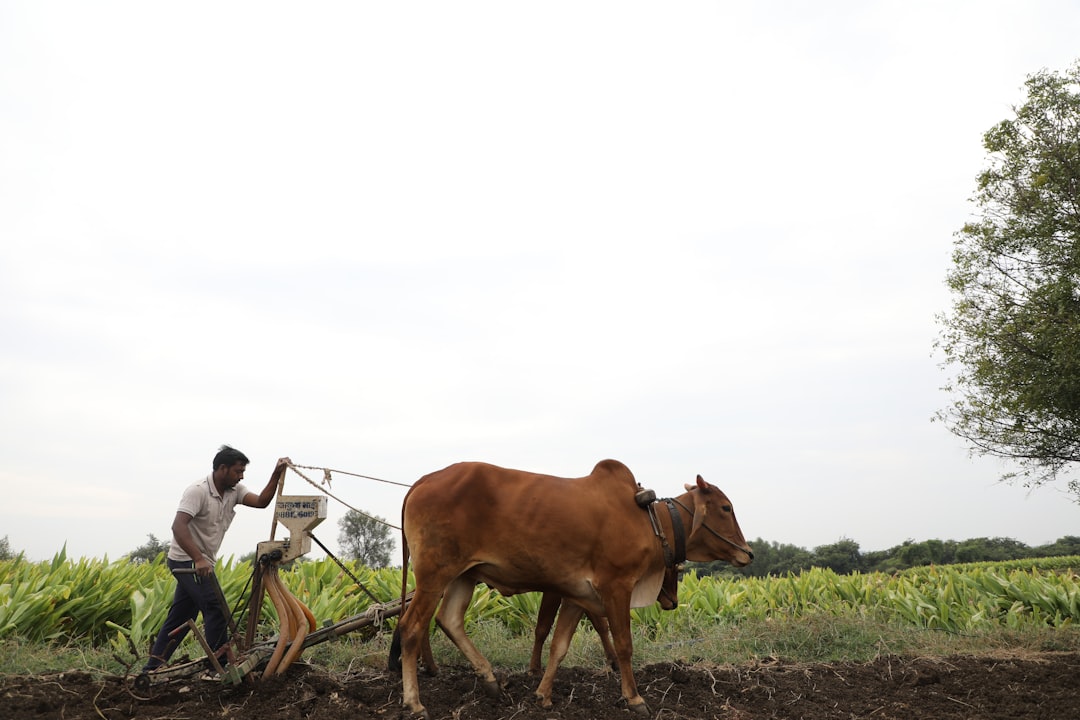
These professionals are crucial for ensuring irrigation systems work well.
Small-scale farmers, especially in developing countries, are at greater risk of crop failures due to rising diesel costs. Without access to affordable fuel, many may struggle to keep their operations running, leading to food shortages and increased poverty. The Guardian highlights that this crisis is not just an economic issue but a humanitarian one, as millions depend on stable agricultural production.
The diesel crisis has broader implications beyond immediate fuel shortages. As farmers face rising costs and potential crop failures, irrigation technicians are also impacted. These professionals are crucial for ensuring irrigation systems work well. However, limited fuel availability makes their jobs harder. Career Ahead has found that irrigation technicians may need to adapt their skills to include alternative energy solutions. This could involve training in solar technology and other renewable energy systems that do not rely on diesel fuel.
As food production becomes more uncertain, the role of irrigation technicians may change. They may need to work more closely with farmers to develop strategies for optimizing water use and implementing efficient irrigation methods. This teamwork could help lessen some impacts of the diesel crisis. Looking ahead, the agricultural sector must prepare for ongoing challenges related to fuel availability and costs. Farmers and technicians must remain flexible and innovative in their approaches to irrigation and energy use. Adapting to these changes will be vital for maintaining food security and farmer livelihoods.
As the situation evolves, it is unclear how quickly the agricultural sector can transition to more sustainable energy practices. The urgency of the diesel crisis may speed up this change, prompting a reevaluation of how farming operations are powered in the future.
Frequently Asked Questions
What alternatives can small-scale farmers use for irrigation?
Small-scale farmers can explore solar-powered irrigation systems as a viable alternative to diesel. These systems can reduce reliance on fossil fuels and offer a more sustainable approach to irrigation.
Irrigation technicians may need to learn new skills related to renewable energy technologies.
How can irrigation technicians adapt to fuel shortages?
Irrigation technicians may need to learn new skills related to renewable energy technologies. Training in solar and other alternative energy systems can help them support farmers in moving away from diesel reliance.
What should small-scale farmers do about rising diesel prices?
Farmers should consider diversifying their energy sources and exploring renewable energy options. Engaging with agricultural organizations can provide resources and support for making these transitions.