No products in the cart.

Drought Disrupts Shipping Costs and Supply Chains on the Rhine
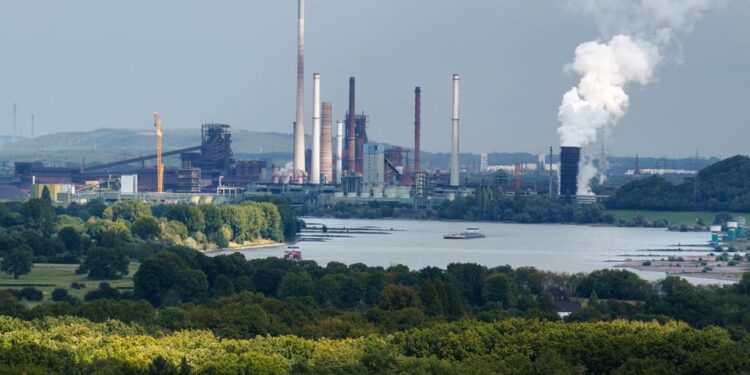
The ongoing drought is significantly increasing shipping costs on the Rhine, a crucial waterway for European logistics. This disruption is leading to delays and heightened risks for supply chain operations. Logistics managers must prepare for these challenges to mitigate impacts on their businesses.

Europe is currently grappling with a severe drought that is disrupting shipping on the Rhine River, a vital artery for the continent’s economy. The low water levels have not only raised shipping costs but have also caused widespread supply chain issues, prompting logistics managers and shipping professionals to express concerns about the long-term effects on their operations.
The Rhine flows through key industrial regions in Germany and the Netherlands, and its significance cannot be overstated. With water levels dropping to historic lows, many vessels are forced to carry less cargo, leading to increased transportation costs. Consequently, companies are facing delivery delays, which can inflate prices for consumers and result in revenue losses for businesses.
Rising Shipping Costs Amid Drought Conditions
The ongoing drought has pushed shipping costs on the Rhine to unprecedented levels. Reports indicate that freight rates have surged by up to 30% in recent weeks due to reduced vessel capacity. This cost increase is not merely a temporary issue; it reflects a broader trend linked to climate change that logistics managers must confront.
Data from various sources, including research from Nature, suggests that the prolonged drought is expected to impact shipping operations for the foreseeable future. As water levels remain low, logistics companies may need to consider alternative transportation methods, such as road or rail, which could further escalate costs and complicate supply chain logistics.
This situation presents significant challenges for logistics managers, who must navigate a landscape filled with uncertainty. Increased shipping costs can erode profit margins, particularly for companies operating on thin margins. Unpredictable delivery timelines can damage customer relationships and lead to a loss of market share.
Moreover, the impact of low water levels on the Rhine extends beyond shipping costs. As highlighted by CNBC, the drought also disrupts energy supply chains. Many power plants rely on the river for cooling and transporting coal and other resources, meaning disruptions in one area can have cascading effects throughout the entire supply chain.
This can disrupt production schedules and complicate inventory management.
Challenges in Delivery Timelines and Production Schedules
As shipping costs rise, the reliability of delivery timelines is increasingly at risk. The drought has caused significant delays in transporting goods across Europe, with many logistics managers reporting that shipments are taking longer than expected. This can disrupt production schedules and complicate inventory management.
Research indicates that companies heavily reliant on the Rhine for logistics face tough decisions. Some may need to rethink their supply chain strategies, potentially shifting to more resilient options that can withstand climate-related disruptions. This could involve diversifying shipping routes or investing in alternative transportation methods to ensure timely deliveries.
The economic implications of these disruptions extend beyond individual companies. The overall efficiency of supply chains in Europe is at risk. If companies cannot deliver goods on time, consumers may face higher prices for essential products, leading to inflationary pressures.
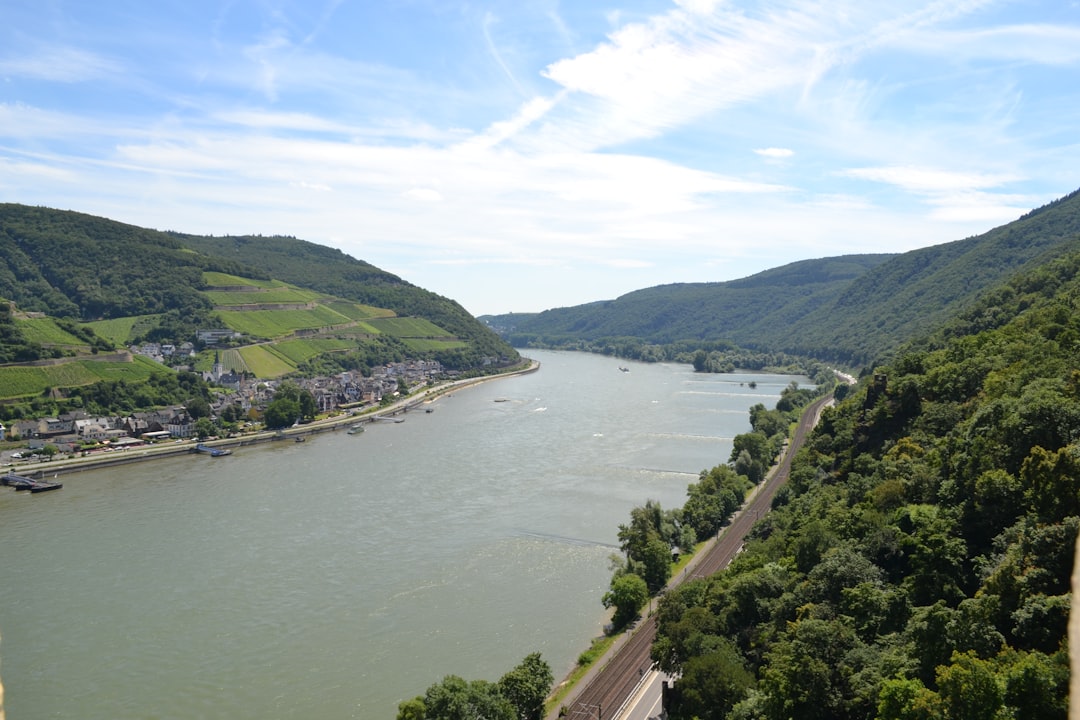
Logistics managers must also consider the potential job impacts within the shipping and logistics sectors. As companies grapple with rising costs and delays, they may need to make difficult staffing decisions, potentially leading to job losses or changes in workforce requirements as businesses adapt to the new landscape.
As companies grapple with rising costs and delays, they may need to make difficult staffing decisions, potentially leading to job losses or changes in workforce requirements as businesses adapt to the new landscape.
Long-Term Effects of Climate Change on Logistics
The drought affecting the Rhine underscores the long-term implications of climate change on logistics and supply chains. As weather patterns become more unpredictable, logistics managers must prepare for a future characterized by more frequent and severe disruptions.
Analysis suggests that the shipping industry needs to invest in more resilient infrastructure and adaptive strategies. This could involve upgrading vessels to operate in lower water conditions or investing in alternative energy sources to reduce dependence on traditional shipping routes.
As the European Union pushes for sustainability initiatives, logistics companies may face additional regulatory pressures to reduce their environmental impact. While this could lead to increased operational costs, it also presents opportunities for innovation and growth within the sector.
As the situation evolves, logistics managers must stay informed about changing regulations and market conditions. Understanding the implications of climate change on supply chains is essential for making strategic decisions that protect their operations against future disruptions.
The ongoing drought and its effects on the Rhine serve as a wake-up call for the logistics industry. Companies that proactively address these challenges will be better positioned to thrive in an uncertain environment.
Developing contingency plans for climate-related disruptions is also crucial for maintaining operational efficiency.
Frequently Asked Questions
What are the current shipping delays on the Rhine?
Shipping delays on the Rhine have increased due to low water levels, forcing many vessels to reduce their cargo loads. As a result, delivery timelines have been extended, impacting supply chains across Europe.
How can logistics managers mitigate increased costs due to drought?
Logistics managers can mitigate costs by exploring alternative transportation methods and diversifying shipping routes. Developing contingency plans for climate-related disruptions is also crucial for maintaining operational efficiency.
What strategies should supply chain analysts adopt in response to climate-related disruptions?
Supply chain analysts should focus on risk management strategies that account for climate-related disruptions, including investing in resilient infrastructure and staying informed about regulatory changes that may impact logistics operations.
Related Articles
- Southeast Asia’s Factory Activity Bounces Back From 11-Month Low
- Chinese Investment Strengthens India-China Ties
Written by Career Ahead AI. AI can make mistakes, so verify key facts. Report errors to support@careeraheadonline.com.