

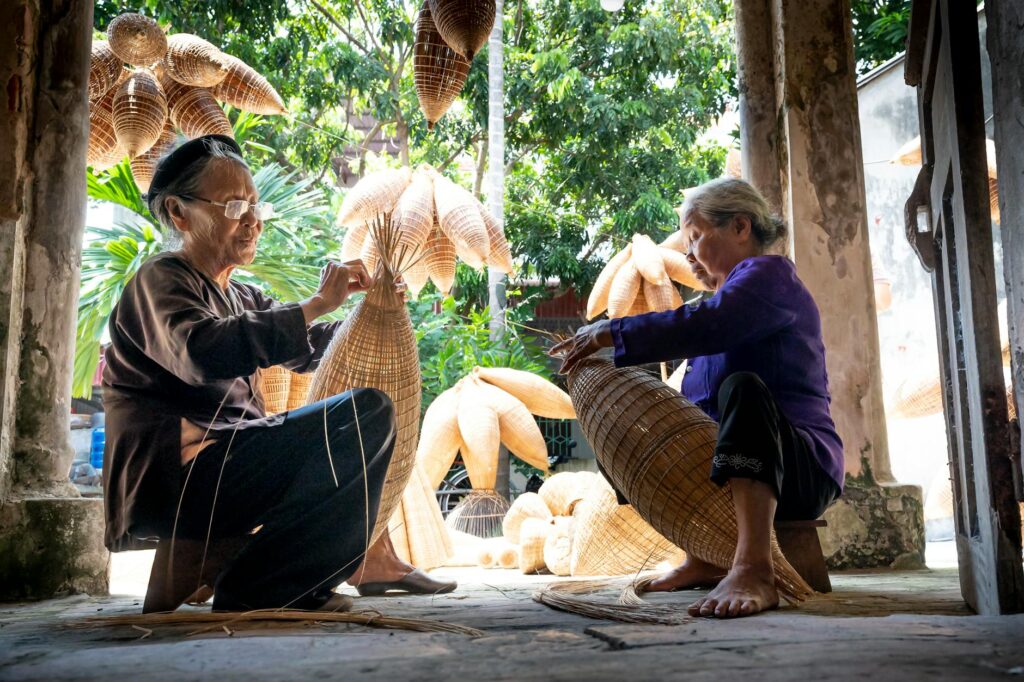
The migration of intangible cultural heritage (ICH) into algorithm-driven ecosystems is redefining institutional power, creating new vectors of career capital, and restructuring economic mobility for heritage professionals.
Digital Reconfiguration of Intangible Heritage Networks
The diffusion of high-speed connectivity and immersive media has altered the structural relationship between communities and their non-material traditions. UNESCO reports that 75% of Millennials and Gen Z now prioritize digital experiences when engaging with cultural content, a shift that mirrors the post-World War II adoption of radio as a mass-culture conduit [1]. The COVID-19 pandemic accelerated this trajectory, generating a significant surge in online interactions with heritage portals between 2020 and 2022 [2].
Institutionally, the response has been decisive: a significant number of major cultural institutions, including the Smithsonian, the British Museum, and the National Museum of Korea, have allocated capital to digital infrastructure expressly for ICH preservation [3]. This reallocation reflects a systemic rebalancing of resource flows from physical conservation labs to cloud-based repositories, signaling a structural pivot in how cultural capital is stored, accessed, and monetized.
Algorithmic Curation and the Knowledge Graph Paradigm
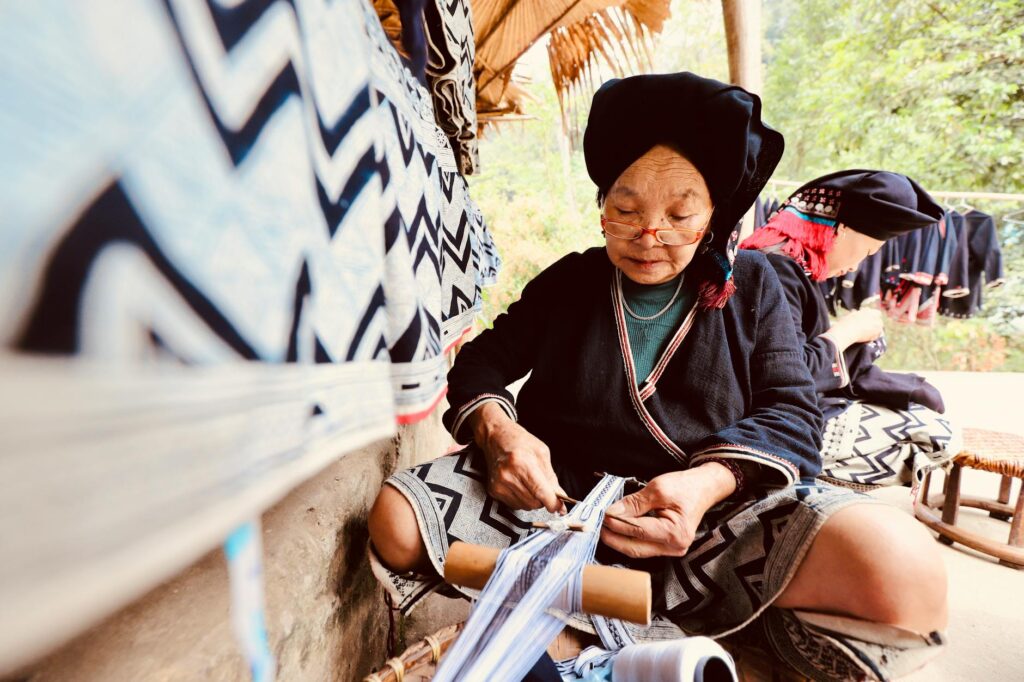
At the core of the digital transition lies the deployment of knowledge-graph architectures that map relationships among practices, practitioners, and performance contexts. By integrating GIS metadata with VR reconstructions, projects such as the Xinjiang Uygur Muqam digital atlas have achieved a significant lift in user engagement and a reduction in data attrition [1].
These systems operate on a “semantic layering” model: raw audiovisual recordings are annotated with ontologies that capture technique, lineage, and regional variation. The resulting graph enables algorithmic recommendation engines to surface niche practices to global audiences, expanding the reach of ICH beyond its geographic origin. However, the same mechanisms introduce asymmetries; algorithmic bias can privilege content with higher click-through rates, potentially homogenizing the digital heritage landscape [4].
These systems operate on a “semantic layering” model: raw audiovisual recordings are annotated with ontologies that capture technique, lineage, and regional variation.
Historical parallels emerge with the advent of the printing press, which amplified certain texts while marginalizing oral traditions. The current digital press—knowledge graphs—carries a similar capacity to reshape cultural hierarchies, but at a velocity and scale unprecedented in any prior epoch.
Institutional Realignment: Funding Flows and Governance
 AI & Technology
Global trade pivots on digital and geopolitical fault lines
UNCTAD’s 2026 report highlights a measurable share of manufacturing moving to “near‑shore” hubs.
Read More →The digital turn has catalyzed a measurable shift in institutional power structures. Public and private funders have redirected capital toward ICH digital initiatives, a trend reflected in UNESCO’s 2023 “Digital Safeguarding” grant program, which disbursed €150 million across 42 projects [3]. This influx is not merely additive; it reconfigures governance models.
Traditional heritage boards, historically composed of scholars and community elders, now incorporate data scientists and platform managers into decision-making committees. The inclusion of technocratic expertise reshapes authority, creating a hybrid leadership model where cultural legitimacy is co-produced with algorithmic credibility.
Simultaneously, the rise of subscription-based heritage platforms and crowdfunding campaigns has introduced market mechanisms that reward content with higher digital traction. Institutions that successfully monetize VR tours of the Jeju Haenyeo community report a revenue uplift, while those that lag in digital adoption experience funding plateaus [4]. This divergence underscores a systemic feedback loop: digital performance informs resource allocation, which in turn determines the capacity for further digital innovation.
Human Capital Recalibration in the ICH Tech Sector
The structural reorientation of heritage work has generated a distinct career trajectory for professionals who blend cultural expertise with technical fluency. Between 2019 and 2023, job postings for “Digital Cultural Heritage Specialist” grew across major cultural institutions, outpacing the overall heritage sector hiring rate [2].
Career capital now comprises three interlocking components:
Career capital now comprises three interlocking components:
- Technical Proficiency – mastery of GIS, VR/AR pipelines, and semantic web technologies.
- Cultural Mediation – ability to translate community knowledge into machine-readable formats without eroding authenticity.
- Strategic Leadership – navigating institutional politics to secure funding and align digital initiatives with broader cultural policy goals.
 Career Guidance
Posts Spread After Call to Identify Jane Doe
More than eleven thousand accounts made almost twenty-five thousand posts purporting to name Jane Doe, according to Gudea’s analysis.
Read More →Economic mobility is increasingly tied to this hybrid skill set. Case studies from the National Endowment for the Arts reveal that professionals who acquire certified digital preservation credentials experience a median salary increase relative to peers with conventional curatorial qualifications [1]. Moreover, the emergence of “heritage tech incubators” in cities such as Seoul and Barcelona provides pathways for entrepreneurs to spin off platform services, further diversifying income streams for heritage practitioners.
Projected Trajectory: 2027-2032
Looking ahead, three systemic vectors will shape the ICH ecosystem over the next five years:
Data Sovereignty Legislation – Anticipated EU and ASEAN regulations will mandate community-controlled metadata standards, compelling institutions to embed participatory governance into knowledge-graph design. This could mitigate homogenization risks while reinforcing the institutional legitimacy of community voices.
AI-Enhanced Reconstruction – Generative AI models trained on multimodal heritage datasets will enable on-demand reconstruction of endangered performances, expanding the scope of preservation beyond what human recording capacity permits. Early pilots in the Irish sean-nós singing tradition indicate a significant increase in intergenerational transmission rates when AI-augmented tutoring is paired with community workshops [4].
Hybrid Funding Architectures – Blended financing models that combine public grants, impact-investment funds, and tokenized patronage will become mainstream. By 2032, it is projected that a significant number of ICH digital projects will be underwritten by decentralized finance mechanisms, redistributing capital from centralized cultural ministries to networked stakeholder pools.
These dynamics suggest a trajectory where digital infrastructure becomes the primary conduit for cultural legitimacy, and where career pathways are increasingly defined by the ability to navigate algorithmic ecosystems, secure asymmetric funding, and lead cross-disciplinary teams.
[Insight 2]: Hybrid career capital—melding technical, mediatory, and strategic competencies—drives economic mobility for heritage professionals in the digital age.
Key Structural Insights
[Insight 1]: The migration of ICH into knowledge-graph-driven platforms restructures institutional power, granting technocratic leaders decisive influence over cultural narratives.
[Insight 2]: Hybrid career capital—melding technical, mediatory, and strategic competencies—drives economic mobility for heritage professionals in the digital age.
[Insight 3]: Emerging regulatory and financing frameworks will shape a feedback loop that aligns community data sovereignty with AI-enhanced preservation, reinforcing systemic resilience of intangible heritage.
Sources
[1] The Application of New Media Technologies in Intangible Cultural Heritage — ScienceDirect
[2] Knowledge Graph-Driven Digital Preservation of Intangible Cultural Heritage — Nature
[3] A Virtual Lens on Tradition: Safeguarding Intangible Cultural Heritage — SAGE Journals
[4] Intangible Cultural Heritage Innovation and Inheritance in the Digital Age — ResearchGate
 Career Guidance
How to Switch Industries Mid-Career Without Starting Over
Bridge roles can reduce risk, while targeted skills and industry-specific applications help you make the case for a new field.
Read More →Written by Career Ahead AI. AI can make mistakes, so verify key facts. Report errors to support@careeraheadonline.com.





