No products in the cart.

Apple Sues OpenAI for Trade Secret Theft
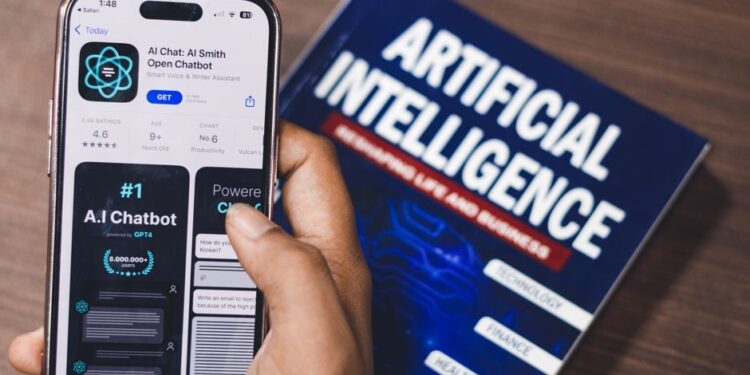
The lawsuit comes at a time when the tech industry is grappling with the challenges of safeguarding intellectual property. Apple claims that OpenAI's use of its trade secrets not only undermines its competitive advantage but also sets a concerning precedent for how AI companies might operate in the…

Apple has filed a lawsuit against OpenAI, alleging trade secret theft. This legal action, announced on July 10, 2026, accuses the AI company of unlawfully using proprietary information from Apple to enhance its ChatGPT product. The implications of this case are vast, particularly concerning trade secret laws and intellectual property rights in the rapidly evolving AI landscape.
The lawsuit comes at a time when the tech industry is grappling with the challenges of safeguarding intellectual property. Apple claims that OpenAI’s use of its trade secrets not only undermines its competitive advantage but also sets a concerning precedent for how AI companies might operate in the future. This case could redefine the boundaries of legal protections available to tech companies. According to a report by CNBC, Apple alleges that OpenAI’s actions could lead to significant financial losses and damage to its reputation, emphasizing the high stakes involved in this legal battle.
Trade Secret Laws and Their Impact on AI Development
Trade secret laws serve as a crucial framework for protecting proprietary information within the tech industry. As companies like Apple and OpenAI push the boundaries of innovation, the importance of these laws becomes even more pronounced. Career Ahead analysis finds that the outcome of this lawsuit could lead to stricter enforcement of trade secret protections, compelling AI developers to adopt more rigorous measures to safeguard their innovations. The Defend Trade Secrets Act (DTSA) provides a federal framework for trade secret protection, but its application can vary significantly across different jurisdictions, creating a patchwork of legal standards that companies must navigate.
Currently, the legal landscape surrounding trade secrets is complex, often varying by jurisdiction. In the United States, the Defend Trade Secrets Act (DTSA) provides a federal framework for trade secret protection, but enforcement can be inconsistent. Apple’s lawsuit could prompt a reevaluation of how these laws are applied, particularly in the context of AI, where the line between innovation and infringement can be blurred. As highlighted by Bloomberg Tax, the case underscores the urgent need for clearer guidelines that can help delineate acceptable practices in the fast-paced AI sector.
Moreover, the case highlights the challenges faced by software engineers working in AI. With the rapid pace of technological advancement, engineers must navigate a landscape where proprietary algorithms and datasets are critical to success. If trade secret laws are reinforced, engineers may need to be more vigilant in ensuring that their work does not inadvertently violate these protections. Furthermore, as AI technologies become increasingly integrated into various industries, the potential for unintentional infringement grows, raising concerns about the implications for innovation and collaboration within the tech community.
With the rapid pace of technological advancement, engineers must navigate a landscape where proprietary algorithms and datasets are critical to success.
You may also like
 News
NewsJustice Department Accuses Duke Law School of Racial Discrimination in Admissions
The Justice Department announced on Aug. 6, 2026 that Duke Law School violated federal law by using race as a factor in admissions, prompting a federal investigation…
Read More →As the trial unfolds, it will be essential for tech startups to monitor the developments closely. The outcome may influence how new companies approach intellectual property, potentially leading to increased investment in legal strategies and compliance measures. Startups that fail to adapt could find themselves at a competitive disadvantage. The ramifications of this case extend beyond the immediate parties involved, as the tech industry as a whole may need to reassess its approach to intellectual property management in light of the evolving legal landscape.
Strategies for Protecting Intellectual Property in Tech Startups
In light of Apple’s lawsuit against OpenAI, tech startups must prioritize robust intellectual property strategies. This involves not only understanding trade secret laws but also implementing proactive measures to protect proprietary information. Career Ahead research identifies that startups often overlook the importance of legal frameworks, which can lead to costly disputes down the line. The stakes are particularly high in the AI sector, where the rapid pace of innovation can outstrip existing legal protections.
One effective strategy for protecting intellectual property is the establishment of strong non-disclosure agreements (NDAs) with employees and partners. These agreements can help ensure that sensitive information remains confidential, reducing the risk of unintentional disclosures that could lead to legal issues. Additionally, startups should invest in legal counsel to navigate the complexities of intellectual property law, particularly as it pertains to AI technologies. The Economic Times reports that many startups are beginning to recognize the value of having legal experts on their teams to help mitigate risks associated with trade secret theft.
Moreover, startups should consider conducting regular audits of their intellectual property assets. This process can help identify potential vulnerabilities and ensure that all proprietary information is adequately protected. By taking a proactive approach, startups can mitigate the risks associated with trade secret theft and position themselves for long-term success. As the tech landscape continues to evolve, the need for innovative solutions to protect intellectual property will only grow. Companies that can effectively safeguard their trade secrets will be better positioned to thrive in a competitive environment, especially as legal precedents set by cases like Apple’s against OpenAI emerge.
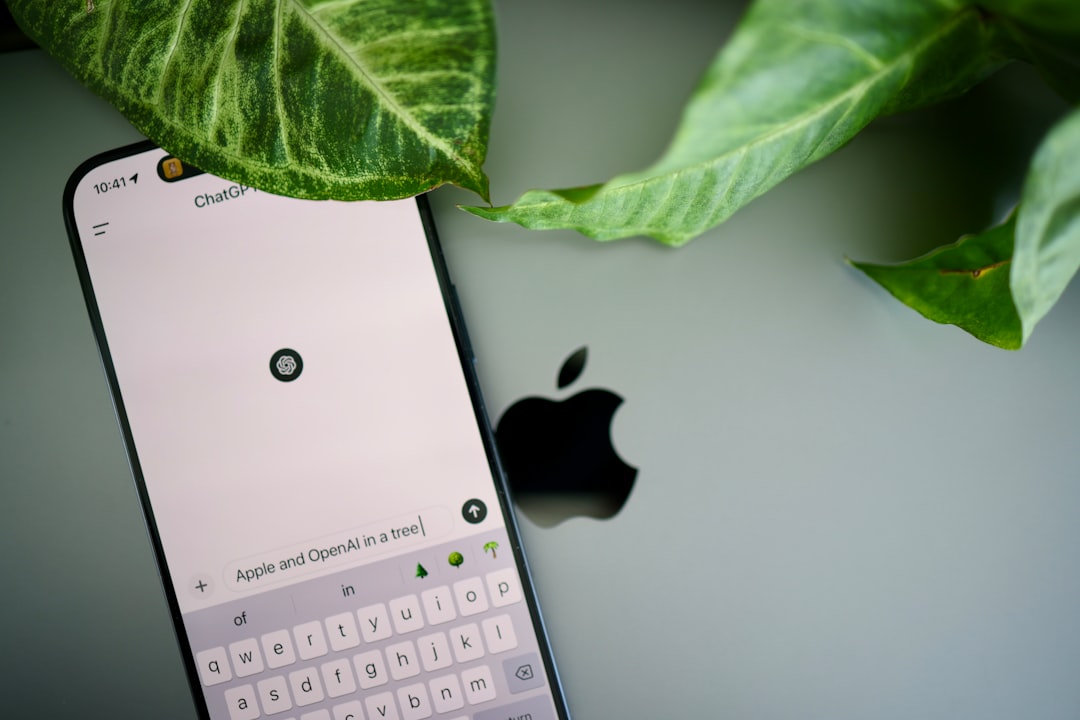
By taking a proactive approach, startups can mitigate the risks associated with trade secret theft and position themselves for long-term success.
Ultimately, the implications of this lawsuit extend beyond Apple and OpenAI. The outcome could influence how the entire tech industry approaches intellectual property, shaping the future of innovation in AI and beyond. As stakeholders watch closely, the case serves as a reminder of the delicate balance between fostering innovation and protecting intellectual property rights.
The legal precedents established by Apple’s lawsuit against OpenAI could have far-reaching implications for the tech industry. If the court rules in favor of Apple, it may embolden other companies to pursue similar claims, leading to an increase in litigation over trade secrets. This could create a chilling effect on innovation, as companies may become more hesitant to share information or collaborate on projects. Conversely, a ruling in favor of OpenAI could signal a shift in how trade secret laws are interpreted, potentially making it easier for companies to leverage information from competitors without fear of legal repercussions. This outcome could foster a more open environment for innovation but may also lead to ethical concerns about the protection of intellectual property.
You may also like
 News
NewsTeen Therapy Platforms Expand Affordable Online Access Nationwide
The expansion was reported in March 2026 and confirmed with additional updates in July 2026, indicating that major online therapy providers have increased capacity
Read More →Furthermore, the case underscores the importance of clear communication and transparency in the tech industry. As companies increasingly rely on partnerships and collaborations, establishing trust becomes paramount. Companies must navigate the fine line between collaboration and competition, ensuring that their trade secrets remain protected while still fostering innovation. As the tech landscape evolves, the need for a balanced approach to intellectual property protection will become increasingly critical. Companies that can adapt to these changes and develop effective strategies for safeguarding their innovations will be better positioned to succeed in the long run.
The outcome of Apple’s lawsuit against OpenAI will not only shape the future of these two companies but also set a precedent for how the tech industry approaches trade secrets in the age of AI. Stakeholders will be watching closely as this pivotal case unfolds, eager to see how it will define the landscape of intellectual property in technology.
Frequently Asked Questions
What are the implications of trade secret theft for software engineers in AI?
Career Ahead analysis shows that trade secret theft can lead to significant legal ramifications for software engineers, including potential lawsuits and job loss. Engineers must be vigilant in ensuring their work does not violate trade secret protections, particularly in a competitive field like AI.
Intellectual property lawyers should closely monitor the developments in Apple’s lawsuit against OpenAI, as the case may set important legal precedents regarding trade secret protections.
How can tech startup founders protect their intellectual property?
Tech startup founders can protect their intellectual property by implementing strong non-disclosure agreements, conducting regular audits of their assets, and seeking legal counsel to navigate intellectual property laws. Proactive measures are essential to avoid costly disputes.
What should intellectual property lawyers consider in light of this lawsuit?
Intellectual property lawyers should closely monitor the developments in Apple’s lawsuit against OpenAI, as the case may set important legal precedents regarding trade secret protections. Understanding the implications of the ruling will be crucial for advising clients in the tech industry.
You may also like
 News
NewsIndian Professor Brij Kothari’s Same-Language Subtitling Program Expands Nationwide
Dr Brij Kothari’s Same-Language Subtitling program now reaches an estimated 150 million daily viewers across India, aiming to boost basic reading skills.
Read More →