No products in the cart.

Divergent Targets Faster, Cheaper Defense Production
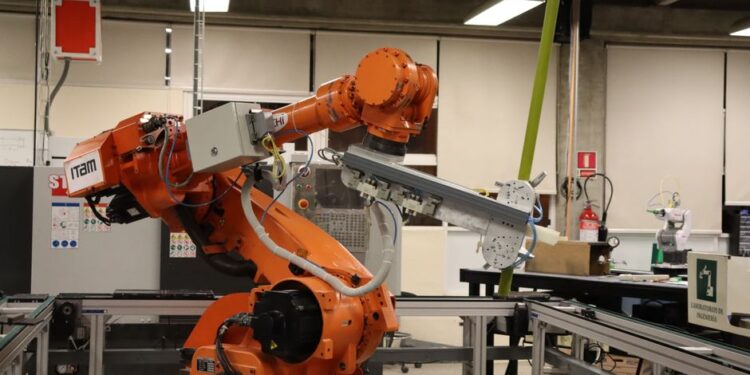
Divergent Technologies is set to revolutionize defense manufacturing through advanced technologies like 3D printing, aiming to enhance efficiency and reduce costs.

California, USA — Divergent Technologies has announced a new initiative to change defense production. They plan to use advanced manufacturing technologies to cut costs and speed up production. This strategy is important as the defense sector faces rising demands for faster and more efficient production. The announcement was made on October 2, 2026, and will impact defense manufacturing engineers and supply chain managers significantly.
The company focuses on 3D printing and other innovative technologies to improve production processes. This shift aims to tackle challenges in the defense industry, such as high costs and the need for quick responses to military needs. By adopting these technologies, Divergent hopes to boost its manufacturing capabilities and become a key player in the changing defense landscape.
Transforming Production with Advanced Technologies
Divergent’s strategy relies on integrating 3D printing and other advanced manufacturing techniques. These methods promise to cut production times significantly. This is vital in an industry where traditional methods often cause delays and higher costs. A report by the Washington Post states that the U.S. defense industry has faced manufacturing capacity issues, which hinder urgent military needs. Divergent’s approach could help by enabling faster production and more flexible schedules. Their use of additive manufacturing allows for creating complex parts that are lighter and stronger than those made with traditional methods, giving them an edge in military applications.
Moreover, Divergent’s digital design and manufacturing processes allow for greater customization of defense products. This flexibility is crucial in military applications, where requirements can change quickly. By using these technologies, Divergent can create tailored solutions that meet the specific needs of various defense contracts. This ultimately improves operational readiness. The use of digital twins—virtual replicas of physical systems—enhances this capability, allowing real-time adjustments and simulations that can improve design and production.
Career Ahead’s analysis shows that adopting these technologies is not just a trend but a necessary evolution in defense production. As global military spending rises, manufacturers face pressure to deliver high-quality products at lower costs. Advanced technologies like 3D printing help companies respond better to these demands, positioning them for success in a competitive market. Additionally, more automated processes are likely to reduce human error and improve overall production reliability, which is critical in defense manufacturing.
This evolution in skill requirements highlights the need for continuous professional development in the defense sector.
You may also like
 Industry & Global Trends
US Employers Cut Hiring, Wage Growth Stalls | Career Outlook
The implications of this hiring slowdown are profound. With fewer positions available, job seekers face increased competition for roles, while HR managers must rethink their…
Read More →The implications extend beyond production capabilities. Adopting these technologies will likely change the skills needed for defense manufacturing engineers. As automation and digital tools become more common, engineers must adapt by learning new skills in software design and machine operation. This evolution in skill requirements highlights the need for continuous professional development in the defense sector.
Impact on Supply Chain Efficiency
Divergent’s introduction of faster and cheaper production methods is set to improve supply chain efficiency in the defense sector. Traditional supply chains often face challenges like long lead times and complex logistics, which can delay critical component delivery. By using advanced manufacturing technologies, Divergent aims to streamline these processes, reducing the time from production to delivery. Research from ScienceDirect emphasizes that efficient supply chain management is vital in defense, where delays can have serious consequences. Divergent’s manufacturing approach could create a more agile supply chain, allowing quicker responses to changing military needs and reducing the risk of shortages. This agility is crucial for maintaining operational readiness and ensuring military forces have the necessary resources.
Furthermore, Divergent’s cost reduction strategies are expected to impact the entire supply chain. Lower production costs can lead to reduced prices for end-users, including government contracts and military agencies. This shift could make defense procurement more accessible, allowing better resource allocation and expanding capabilities for armed forces. The Washington Post notes that producing components at lower costs without sacrificing quality will change defense procurement processes, enabling military agencies to allocate funds more effectively across various programs.
Career Ahead research indicates that as companies like Divergent innovate in production technologies, the entire defense supply chain will likely undergo significant changes. Engineers and supply chain managers must prepare to adapt, as traditional practices may no longer work in a rapidly evolving landscape. The focus on efficiency and cost-effectiveness will likely redefine roles and responsibilities within the sector. As the defense industry embraces these advancements, professionals must stay informed and ready to adjust their strategies. Integrating new technologies will enhance production capabilities and reshape the competitive landscape of defense manufacturing.
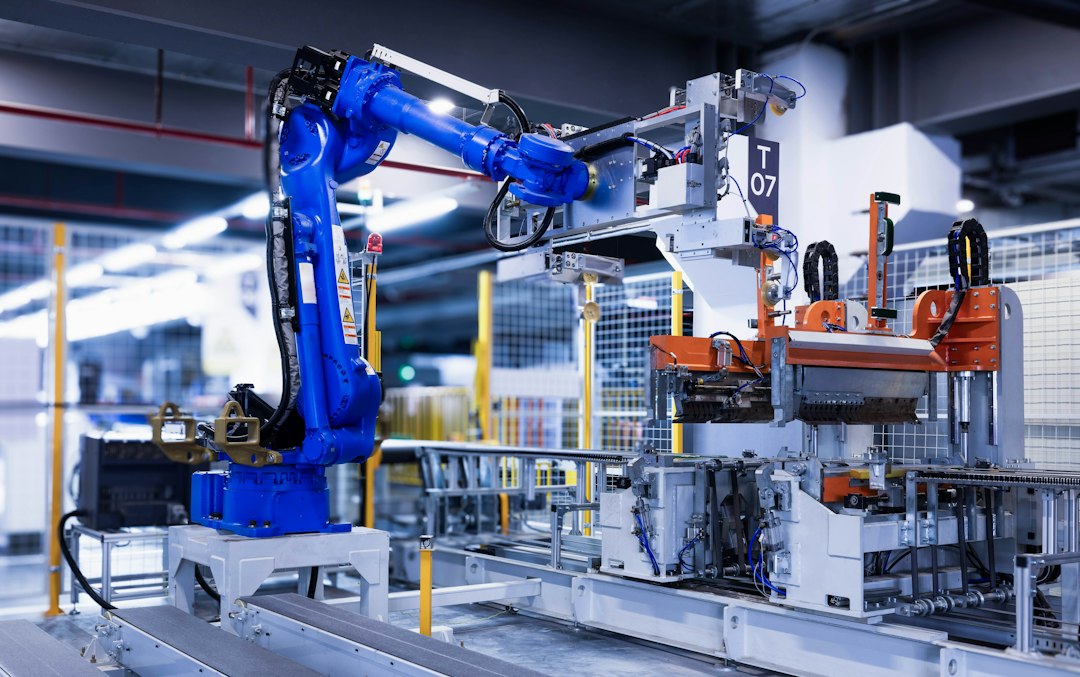
Engineers will increasingly work alongside advanced technologies, requiring a mix of traditional engineering skills and new competencies in digital tools and data analysis.
As the defense industry evolves, integrating advanced technologies like those used by Divergent will likely set new benchmarks for efficiency and responsiveness. The future of defense manufacturing is on the brink of significant transformation, driven by technological advancements and changing market demands. Divergent’s initiatives highlight a trend toward efficiency and cost-effectiveness in production processes, which could set new industry standards. As more companies adopt similar technologies, the competitive landscape may shift, leaving those who fail to innovate behind.
You may also like
 Industry & Global Trends
Triyoga’s Crisis: Unpaid Instructors, Financial Struggles
Triyoga, once a favorite among celebrities and fitness enthusiasts, faced significant financial challenges leading to its downfall. Instructors reported that they had not received their…
Read More →Moreover, these changes will impact more than just production efficiency. As the defense sector evolves, the workforce will need to adapt to new roles and responsibilities. Engineers will increasingly work alongside advanced technologies, requiring a mix of traditional engineering skills and new competencies in digital tools and data analysis.
In summary, Divergent’s advancements in defense production promise to improve operational efficiency and signal a broader shift in the industry. As military needs evolve, the ability to respond quickly and effectively will be crucial. The next few years will be critical for defense manufacturers as they navigate these changes and strive to remain competitive. It remains uncertain how quickly these technologies will be adopted across the industry and what further innovations lie ahead. The defense sector is at a pivotal moment, and today’s choices will shape its future for years.
Frequently Asked Questions
What technologies are being implemented to improve defense production?
Divergent is using advanced manufacturing technologies, including 3D printing, to improve production efficiency and reduce costs. These technologies allow for faster turnaround times and greater customization of defense products.
Defense manufacturing engineers should focus on learning new skills related to digital tools and automation as production technologies evolve.
How will cost reductions affect supply chain management in defense?
Cost reductions from companies like Divergent are expected to lower prices for end-users, improving resource allocation within the defense supply chain. This could enhance overall efficiency and responsiveness in military procurement processes.

What should defense manufacturing engineers do to adapt to new production methods?
Defense manufacturing engineers should focus on learning new skills related to digital tools and automation as production technologies evolve. Staying informed about industry trends and advancements will be crucial for remaining competitive in this changing landscape.
You may also like
 Industry & Global Trends
What is happening to the Indian IT bench? | Explained | Career Outlook
India's IT sector is undergoing significant changes in its bench policies, impacting job security and project allocation for IT professionals. Major firms are tightening their…
Read More →