No products in the cart.

Do AI-generated content creators truly own their work?
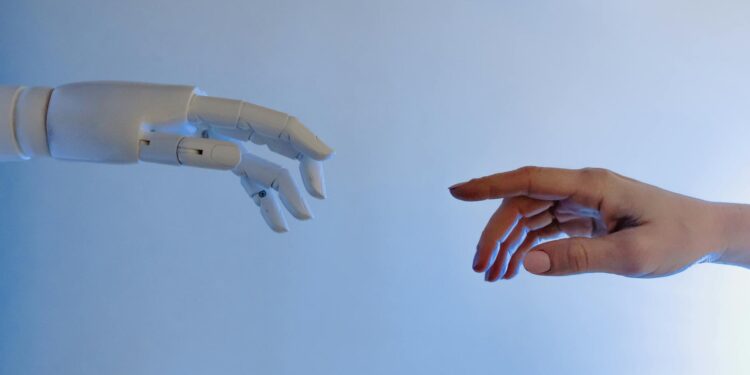
The article argues that AI-generated works cannot be cleanly owned by the commissioning party, exposing legal, economic, and ethical flaws in the prevailing view.

The standard view is that whoever pays for an AI model automatically owns the output, and that existing copyright law can be stretched to protect that claim. Industry guides and corporate legal teams treat the generated piece as a work-for-hire, a clean-cut asset on the balance sheet.
We think this is wrong, and here is why. The technology does not create in a vacuum; it lifts, recombines, and re-presents millions of protected expressions. Ownership cannot be reduced to a receipt on an invoice. The legal fiction of “commissioned output” collapses under the weight of real-world disputes and the economics of creative labor.
The myth of clear-cut ownership
Legal scholars love tidy categories. They draw a line between “human-authored” and “machine-generated” and place the latter in a gray box that can be filled by a contract. In practice, the line is already blurred. In recent years, more than 2,500 AI-related intellectual-property filings hit the European Patent Office, a surge that outpaces any single jurisdiction’s ability to update statutes. Those filings are not about novel algorithms alone; they claim rights over the very style and motifs that AI reproduces from existing works.
The case of Marvin Gaye’s estate still haunts the conversation. A jury awarded $7.4 million for a song that did not copy a single
Human contribution is not a magic wand Do AI-generated content creators truly own their work?
Human contribution is not a magic wand
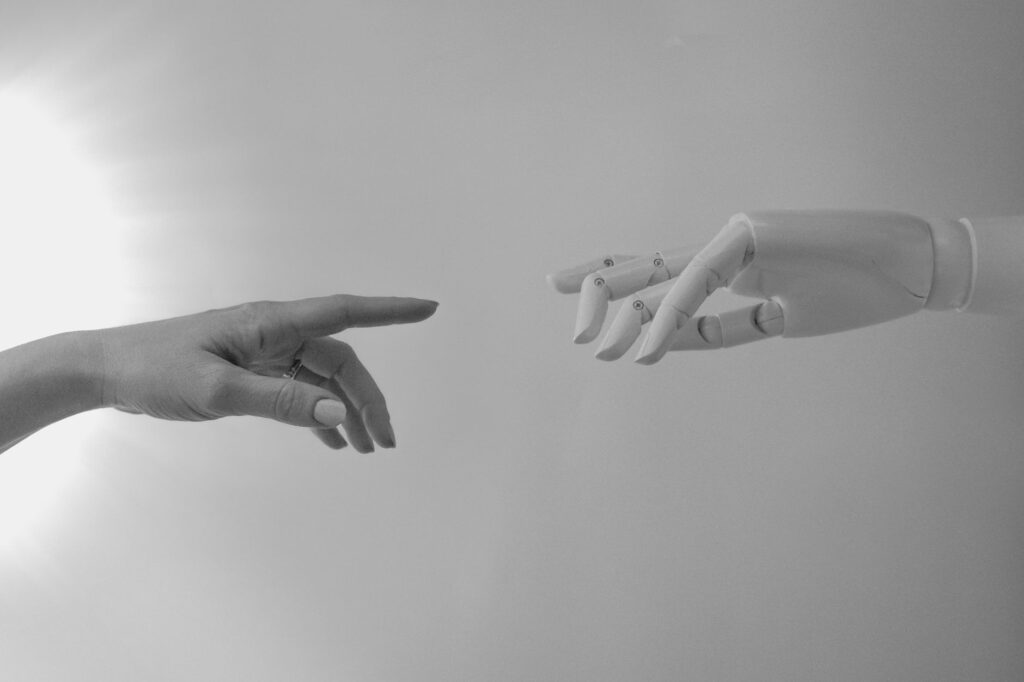
Many argue that inserting a human prompt or post-editing restores authorship. They claim the human’s “creative spark” is the decisive factor. The reality is messier. Robin Thicke, whose 2013 hit sparked the $7.4 million verdict, summed it up:
“if the vibe of a song could be owned, then the boundary between inspiration and infringement had shifted in ways that were both unsettling and profound.” — Robin Thicke
You may also like
 AI & Technology
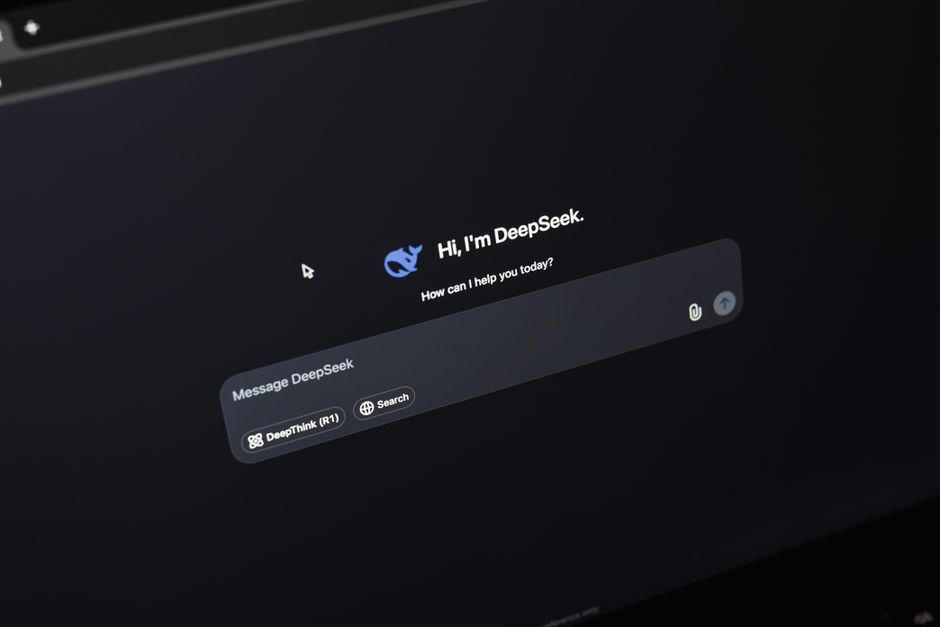
All the AI agents that can live in your text messages
AI agents are transforming user interactions in messaging apps globally, with platforms like WhatsApp and Messenger integrating advanced functionalities that enhance user engagement and productivity.
Read More →Even Thicke, a creator himself, acknowledges that ownership hinges on an elusive feeling, not on a line of code. When a prompt engineer tweaks a phrase, the AI still pulls from a reservoir of copyrighted material. The human’s edit is a thin veneer, not a shield. Our view is that the “human-in-the-loop” defense is a legal convenience, not a substantive safeguard.
Economic fallout is not a temporary glitch
Proponents say the market will self-correct: creators will license AI-friendly datasets, and revenues will stabilize. The data tells a different story. The flood of AI-related IP filings has already forced publishers to renegotiate contracts, inserting clauses that demand royalty splits for any AI-derived derivative. Those clauses erode the traditional revenue model for songwriters, illustrators, and filmmakers. The cost is not a short-term adjustment; it is a structural shift that threatens the livelihood of mid-career creators who rely on repeat commissions.
We see the problem through the lens of what we call the Creative Attribution Continuum. At one end lies pure human creation, fully protected. At the other sits raw model output, with no legal claim. Most AI-assisted works sit in the middle, where ownership is contested and royalties become a negotiation battlefield. The continuum shows that the current binary legal framework is ill-suited; it forces a false either/or decision that ignores the nuanced reality.
The ethical blind spot behind the hype

The conversation often skips the ethical dimension. AI models inherit biases from their training data, reproducing stereotypes and marginalizing voices that are already under-represented. When a corporation claims ownership of a generated advertisement that subtly reinforces harmful tropes, the legal claim masks an ethical breach. The consensus narrative celebrates efficiency while sidestepping responsibility. Ignoring the moral cost means the industry will continue to profit from outputs that may perpetuate discrimination, all under the banner of “ownership.”
The cost is not a short-term adjustment; it is a structural shift that threatens the livelihood of mid-career creators who rely on repeat commissions.
We have argued that the prevailing view treats AI-generated content as a simple commodity. That view gets the importance of protecting creators right—it recognizes that creators need safeguards. The cost of believing it, however, is the erosion of genuine authorship, the destabilization of revenue streams, and the entrenchment of ethical blind spots. If we cling to the illusion of clean ownership, we surrender control of cultural production to opaque algorithms and the corporations that wield them.
The consensus gets the need for protection right; the cost of believing it is a legal and economic landscape where ownership is a myth, and creators are left defending a vaporous “vibe” against machines that can copy it at scale.
You may also like
 AI & Technology
Strategic career pivots redefine economic mobility in 2026
McKinsey estimates that reskilling could generate up to $2 trillion in productivity gains by 2030.
Read More →“If the vibe of a song could be owned, then the boundary between inspiration and infringement had shifted in ways that were both unsettling and profound.” — Robin Thicke