No products in the cart.

Nvidia Enters Windows Laptop Market, Taking On Intel and AMD
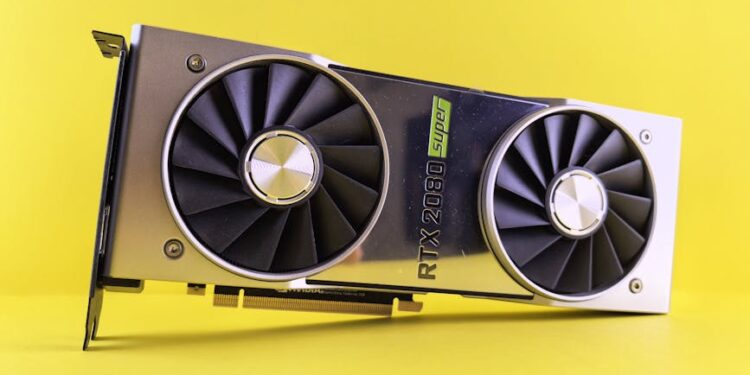
Nvidia's new RTX Spark Superchip for Windows laptops is set to enhance performance significantly, challenging the dominance of Intel and AMD in the market. This development is crucial for hardware engineers and software developers as they adapt to new technologies and design priorities.

Nvidia’s new RTX Spark Superchip for Windows laptops is poised to significantly enhance performance, challenging the long-standing dominance of Intel and AMD in the market. This development is crucial for hardware engineers and software developers as they adapt to new technologies and design priorities.
Unveiled at the Computex trade show, the RTX Spark Superchip combines a microprocessor and graphics chip tailored for the AI era. Starting this fall, it will be integrated into laptops and desktops from major manufacturers like Dell and Lenovo, potentially reshaping existing power dynamics in hardware design and software development.
Timing and Technology: Nvidia’s Strategic Entry
Nvidia’s entry into the Windows laptop market comes at a pivotal moment, with rising demand for AI-driven computing power. The RTX Spark Superchip is designed to optimize performance for AI applications, making it an attractive option for manufacturers looking to modernize their products. According to Bloomberg, this chip will run Microsoft’s Windows for Arm operating system, marking a significant shift in laptop power.
By integrating processing and graphics capabilities into one chip, Nvidia aims to simplify design processes for engineers, potentially leading to more efficient laptop designs and reduced costs associated with using separate chips. The partnership with MediaTek further strengthens Nvidia’s commitment to building a robust ecosystem around its new chip, enhancing its capabilities and integration with existing technologies.
As reported by Japan Times, Nvidia’s innovative approach may shift consumer preferences towards devices with superior performance and AI capabilities, potentially prompting Intel and AMD to accelerate their own development cycles.
Market Dynamics: A Challenge to Intel and AMD
Intel and AMD have dominated the laptop market for years, but Nvidia’s entry poses a serious threat to their market share. The advanced features of the RTX Spark Superchip could attract manufacturers seeking to differentiate themselves in a crowded market. As reported by Japan Times, Nvidia’s innovative approach may shift consumer preferences towards devices with superior performance and AI capabilities, potentially prompting Intel and AMD to accelerate their own development cycles.
You may also like
 AI & Technology
The Impact of AI on Financial Advisors and Consultants
The rise of AI in financial advisory services is transforming the industry, making advice more accessible while raising concerns about job security for traditional advisors.…
Read More →As competition intensifies, we may witness price adjustments and enhanced product offerings from Intel and AMD in response to Nvidia’s chip. This could lead to better value for consumers as manufacturers strive to meet evolving market demands. The introduction of Nvidia’s chip represents not just a technical advancement; it could fundamentally alter how laptops are designed and marketed.
Implications for Engineers and Developers
Nvidia’s new chip presents unique opportunities for hardware engineers involved in laptop design. With a focus on AI capabilities, engineers must adapt their design processes, considering new architectures and design principles. This may involve rethinking thermal management, power consumption, and overall system efficiency to fully leverage the RTX Spark Superchip.
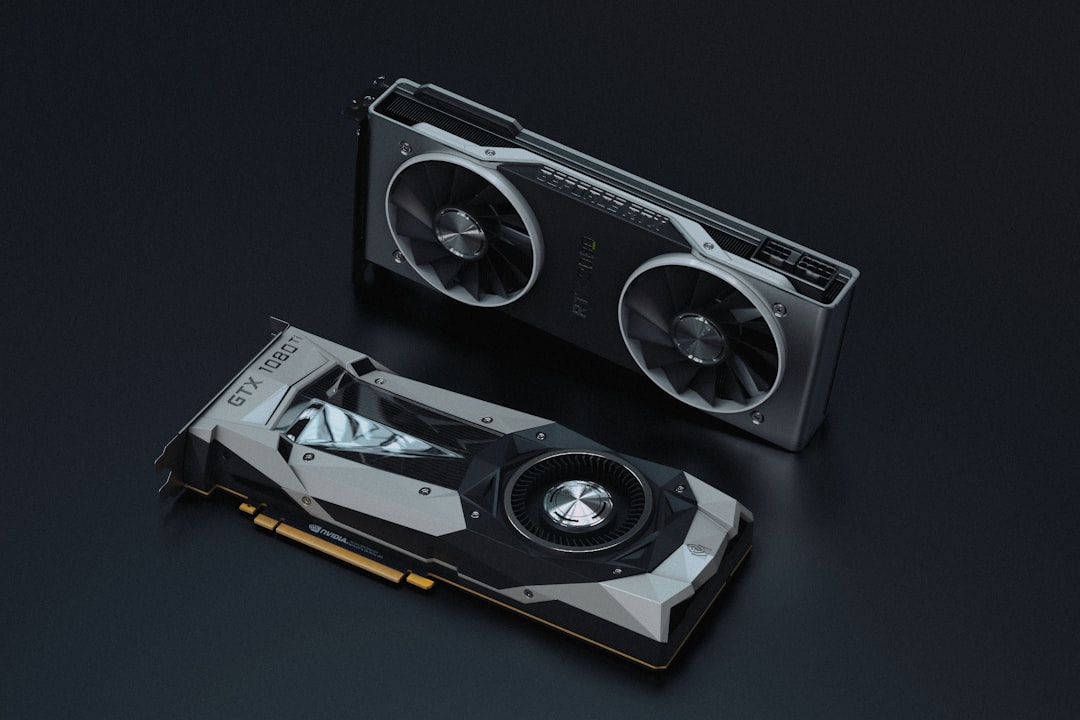
As Nvidia’s chip gains traction, engineers specializing in AI and machine learning will be in high demand. Companies seeking innovation will look for talent capable of integrating AI into hardware designs, creating promising career growth opportunities. For software developers, Nvidia’s entry into the laptop market opens new avenues for creating applications optimized for the RTX Spark Superchip. Developers targeting the Windows platform will need to adjust their software to maximize the chip’s capabilities.
Analysis indicates that developers focusing on AI applications will benefit significantly from this shift. The integration of Nvidia’s chip allows for more efficient processing of AI tasks, enhancing user experiences and performance in applications reliant on machine learning. As more laptops featuring Nvidia’s technology enter the market, developers will have opportunities to create specialized software that capitalizes on the chip’s unique features, including applications in gaming, data analysis, and creative industries where performance is critical.
Companies seeking innovation will look for talent capable of integrating AI into hardware designs, creating promising career growth opportunities.
Broader Industry Effects and Future Trends
The introduction of Nvidia’s RTX Spark Superchip is set to have substantial effects across the tech industry. As competition escalates, manufacturers will need to innovate and invest in new technologies to remain relevant. The emphasis on AI integration in hardware design may also spark discussions about technology standards and best practices. As Nvidia establishes new performance benchmarks, regulatory bodies may need to evaluate how these advancements impact consumer safety and data privacy.
Looking forward, the success of Nvidia’s chip is likely to shape future trends in laptop design and performance. As the demand for AI-driven capabilities increases, we may witness a broader shift towards integrating advanced technologies in everyday computing devices. This evolution raises questions about how traditional players like Intel and AMD will respond. Will they innovate swiftly enough to maintain their market positions, or will Nvidia’s new approach redefine laptop technology?
You may also like
 AI & Technology
Tripura CM Advocates AI, Digital Skills, Innovation
Tripura's Chief Minister Manik Saha emphasizes the importance of AI and digital skills in education, aiming to align academic outcomes with industry demands and foster…
Read More →