No products in the cart.

Drone Strike Disrupts Ukrainian Research Collaboration

A recent drone strike on the Ukrainian Science Academy has disrupted critical research initiatives and funding channels, raising concerns about the future of scientific collaboration in Ukraine and beyond.

Ukraine’s scientific community faces new challenges after a drone strike on the Ukrainian Science Academy on September 29, 2026. This attack disrupted ongoing research projects and funding efforts. It highlights the vulnerabilities of scientific infrastructure during conflicts.
The drone strike caused physical damage and raised concerns about future scientific collaboration in Ukraine. As the country deals with the effects of war, resilient research frameworks are urgently needed.
Disruption of Research Funding and Infrastructure
The Ukrainian Science Academy has played a key role in advancing research across various fields. However, the recent drone attack has significantly disrupted funding channels. Many projects that relied on government and international grants are now at risk. Career Ahead’s analysis shows that unstable funding sources may lead to a decline in research output, affecting current and future initiatives.
Research scientists in Ukraine now face halted projects and delayed publications. The Ministry of Education and Science of Ukraine reports that a large portion of research funding comes from international collaborations, which are now jeopardized by the ongoing conflict. Many scientists have been displaced, further straining limited research resources.
The drone strike has also prompted a reevaluation of safety protocols in research facilities. Scientists must consider both the scientific implications of their work and their physical safety. This focus on research integrity and personal safety may slow innovation as scientists navigate these new realities.
As funding becomes scarce, finding innovative solutions to sustain research initiatives in Ukraine is crucial. The Ukrainian Science Academy must explore alternative funding models, including partnerships with international institutions and private sector collaborations, to continue vital research.
Scientists must consider both the scientific implications of their work and their physical safety.
Impact on International Collaborations
You may also like
 Education & University Insights
Medical Colleges Shift MBBS, BDS Fees to Income-Based Model
India's medical colleges are set to implement a new income-based fee structure for MBBS and BDS programs starting October 2026, aimed at improving accessibility for…
Read More →The drone strike has cast a shadow over international collaborations vital for advancing science in Ukraine. Many researchers depend on partnerships with foreign institutions for funding, expertise, and resources. However, uncertainty about safety and stability may deter potential collaborators.
Career Ahead research shows that international partnerships have been a lifeline for Ukrainian scientists. The recent attack raises concerns about the future of these collaborations, as foreign institutions may reconsider their involvement in projects in conflict zones.
Reduced international collaboration could have long-term effects on scientific innovation in Ukraine. As scientists lose access to global networks, the exchange of ideas and knowledge may decline. This could hinder research progress in key areas like genomics and environmental science. According to science.org, many Ukrainian scientists have already relocated abroad, leading to a potential brain drain that could stifle future advancements.
Career Ahead’s analysis indicates that strengthening scientific institutions’ infrastructure is crucial for their survival and growth amid adversity.
Despite these challenges, new international partnerships focused on rebuilding Ukrainian science may emerge. Organizations and governments might see the value in investing in Ukrainian research to promote stability and innovation in the region. This shift could create new funding opportunities for Ukrainian scientists, allowing them to continue their work despite conflict challenges.
The Need for Resilience in Scientific Infrastructure
The current situation highlights the importance of resilience in scientific infrastructure. As the Ukrainian Science Academy deals with the drone strike’s aftermath, a robust framework is needed to withstand external shocks. Career Ahead’s analysis indicates that strengthening scientific institutions’ infrastructure is crucial for their survival and growth amid adversity.
One way to build resilience is by enhancing collaboration with international research networks. By integrating into global scientific communities, Ukrainian researchers can access resources and expertise that help mitigate local disruptions. This strategy can also foster solidarity among scientists worldwide, encouraging support for Ukrainian research initiatives.
You may also like
 Education & University Insights
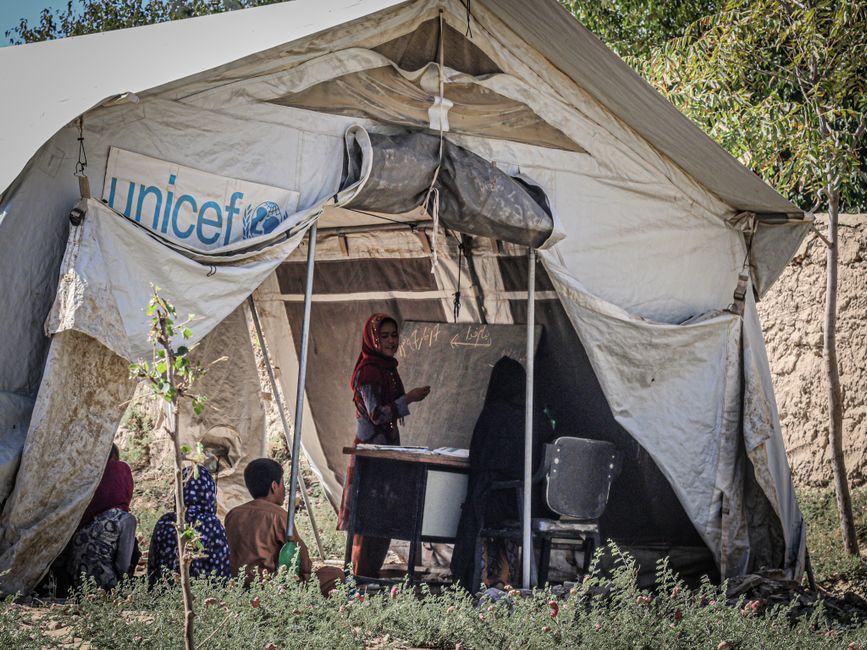
Funding Cuts Endanger American University of Afghanistan
This funding cut comes at a critical time for AUAF, which has been a beacon of hope for female students in Afghanistan.
Read More →Investing in digital infrastructure can also help scientists continue their work remotely. Many researchers have been forced to relocate, so strong online platforms for collaboration and data sharing can maintain research continuity. The Ministry of Education and Science of Ukraine emphasizes the need for innovative solutions to adapt to the changing landscape of scientific research.
Ultimately, the resilience of the Ukrainian scientific community will depend on its ability to adapt to evolving challenges from the conflict. While the drone strike presents significant obstacles, it also offers an opportunity for Ukrainian scientists to rethink their approach to research and collaboration.
As the situation develops, the future of scientific research in Ukraine remains uncertain. Will the Ukrainian Science Academy find a way to rebuild and foster international partnerships, or will the ongoing conflict stifle its progress? Only time will tell how this critical moment will shape the landscape of science in Ukraine.
As the situation develops, the future of scientific research in Ukraine remains uncertain.
Frequently Asked Questions
What are the current funding opportunities for research scientists in Ukraine?
Career Ahead’s analysis shows that funding opportunities for research scientists in Ukraine are becoming limited due to the ongoing conflict. However, international partnerships and grants from foreign institutions may still support critical research initiatives.
How can policymakers support scientific research during conflicts?
Policymakers can support scientific research during conflicts by ensuring the safety of research facilities, providing emergency funding, and facilitating international collaborations. These measures can help sustain research efforts even in challenging circumstances.

What steps should research scientists take to secure their projects amidst geopolitical instability?
Research scientists should actively seek international collaborations and diversify their funding sources to reduce the impact of geopolitical instability. Engaging with global scientific communities can provide essential support and resources during crises.
You may also like
 Education & University Insights
ChatGPT Empowers Teen Learning Without Homework Aid
ChatGPT for Teens has launched a new Study Mode that helps students learn effectively without simply providing answers. This innovative tool promotes engagement and supports…
Read More →