No products in the cart.

E.V. Collapse Threatens U.S. Auto Industry Stability
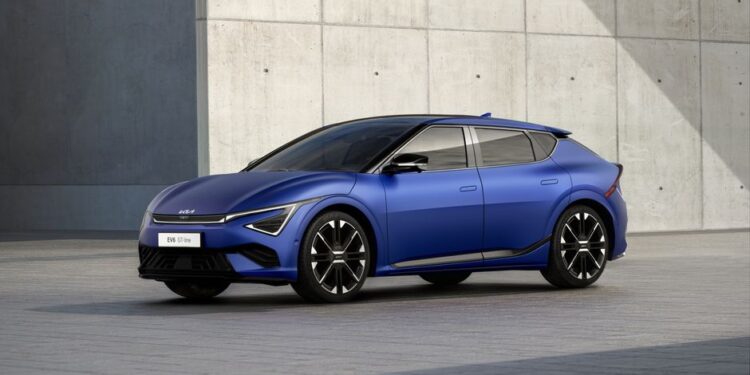
U.S. automakers are scaling back their electric vehicle (EV) investments, raising concerns about job security for automotive engineers and designers. As global EV sales rise, the U.S. auto industry faces challenges in remaining competitive.

U.S. automakers are scaling back their electric vehicle (EV) investments as of mid-2026. This raises concerns about job security and project focus for automotive engineers and designers. Companies like Ford and General Motors plan to cut EV-related projects due to profitability challenges and changing consumer demand.
This decision comes even as global sales of electric vehicles continue to rise. The International Energy Agency reports that global EV sales increased by 50% in 2025. This shows a clear gap between consumer interest and U.S. automakers’ strategies. The key question is: will the U.S. auto industry stay competitive globally?
Job Security Concerns for Automotive Engineers
The reduction in EV projects directly affects automotive engineers. Many have focused on developing electric drivetrains and battery systems. Career Ahead’s analysis shows that as manufacturers shift away from EVs, many engineers may face job losses or role changes. This trend could create a significant skills gap in electric vehicle technology.
Engineers may need to adapt their skills to focus on traditional combustion engines and hybrid technologies. Companies will likely prioritize engineers who can work across various platforms, including internal combustion engines and new technologies. This shift may increase demand for engineers with a broader skill set, especially those familiar with both legacy systems and new developments.
This shift may increase demand for engineers with a broader skill set, especially those familiar with both legacy systems and new developments.
You may also like
 Industry & Global Trends
AI Talent Race Between US and China Is the Next Battleground
The competition for AI talent between the US and China is growing, with significant implications for job opportunities and recruitment strategies in the field. The…
Read More →The shift away from EVs may also impact team dynamics. Reduced funding for electric vehicle projects could lead to layoffs and a more competitive job market. Engineers specializing in EV technology might struggle to find positions, as companies may prefer candidates with experience in traditional automotive engineering. A recent article in the New York Times warns that this strategic retreat could make automakers obsolete in a market where consumer interest in EVs is growing.
Moreover, companies that continue to invest in EV technology may seek engineers who can contribute to innovative projects. This could create a divide in the job market. Engineers with the right skills and adaptability may thrive, while others could struggle to find opportunities. The American auto industry must navigate these challenges carefully to avoid falling behind competitors committed to electric mobility.
The Future of Electric Vehicle Design Roles
Electric vehicle designers also face uncertainty as automakers cut EV investments. Major companies are scaling back their design teams, which may reduce the demand for specialized EV design skills. Career Ahead research shows that designers focused on innovative EV features may need to pivot to traditional automotive design roles.
They should showcase skills relevant to conventional vehicles.
As the industry shifts back to combustion engines, designers will need to adapt their portfolios. They should showcase skills relevant to conventional vehicles. This could mean focusing on aesthetics, functionality, and user experience in traditional automotive design. Designers who blend innovative concepts with established principles will likely be in a better position. The New York Times highlights that the current trajectory of U.S. automakers could limit creativity, as fewer resources are available for EV initiatives.
The decline in EV projects may stifle creativity within design teams. With fewer resources for EV initiatives, designers might find it hard to explore new ideas and technologies. This could lead to stagnation in design advancements as the industry returns to established vehicle formats. Reduced investment in cutting-edge design could hinder the overall progress of the automotive industry. This makes it tough for U.S. automakers to catch up with global competitors still invested in EV technology.
You may also like
 Industry & Global Trends
Hormuz Crude Oil Exports Near Pre-War Levels
The return to pre-war export levels is crucial as it indicates a stabilization in the oil market. Producers and shipping industries have adapted by employing…
Read More →
Ultimately, the future of electric vehicle design roles will depend on the industry’s ability to balance consumer demand with technological advancements. Designers who can anticipate trends and adapt their skills will be better positioned to navigate this changing landscape. As the market evolves, the ability to innovate within traditional automotive design will be crucial for staying relevant in a competitive field.
This shift has far-reaching implications. It affects not only the job market but also the overall direction of automotive innovation in the U.S. The industry must find a way to meet growing consumer demand for electric vehicles while addressing the strategic retreat of major manufacturers.
In summary, the retreat from electric vehicles by U.S. automakers marks a significant industry shift. Automotive engineers, designers, and supply chain managers must adapt or risk being left behind.
Automotive engineers should broaden their skills to include traditional combustion engine technologies and hybrid systems.
Frequently Asked Questions
What skills should automotive engineers develop in response to the EV market shift?
Automotive engineers should broaden their skills to include traditional combustion engine technologies and hybrid systems. Engineers who can work across multiple platforms will be more competitive in the job market.
How can electric vehicle designers adapt to changes in the automotive industry?
Electric vehicle designers can update their portfolios to include traditional automotive design elements. Emphasizing aesthetics, functionality, and user experience will be crucial as the industry shifts back to combustion engines.

What strategies should supply chain managers consider in light of declining EV production?
Supply chain managers should reassess their supplier networks and explore partnerships that support traditional automotive components. Diversifying suppliers and enhancing negotiation skills will be essential to navigate changing market dynamics.
You may also like
 Industry & Global Trends
Man Charged
A US national has been charged with illegally exporting Nvidia chips to China, raising significant compliance and legal concerns in the semiconductor industry.
Read More →