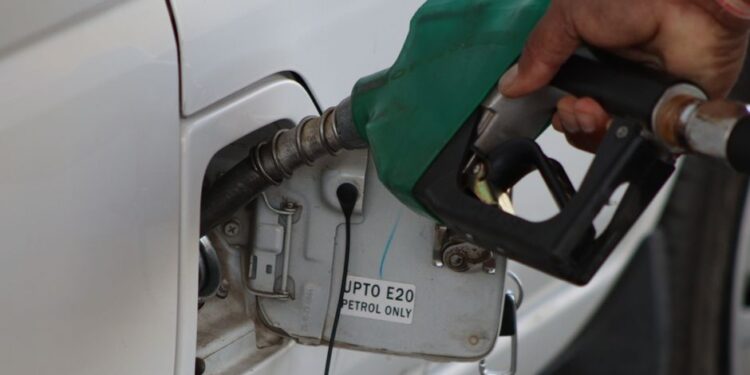
India has recently introduced E20 fuel, which contains 20% ethanol. The government has acknowledged that this new fuel blend may reduce mileage by 3-5% for some vehicles. This announcement has significant implications for automotive engineers and fleet managers as they navigate the challenges and opportunities presented by this fuel transition.
The Ministry of Petroleum and Natural Gas stated that while E20 fuel could lower fuel economy, it also offers several advantages. These include a higher octane rating, improved combustion efficiency, and reduced emissions. However, the potential drop in mileage raises concerns about vehicle performance and costs, particularly for fleet managers focused on optimizing fuel use. According to a report from The Hindu, the government defends the blend by highlighting its role in enhancing energy security and supporting farmers through ethanol production.
Evaluating the Mileage Impact of E20 Fuel
The introduction of E20 fuel is part of India’s broader strategy to improve energy security and reduce reliance on fossil fuels. However, the government’s admission of a possible 3-5% mileage reduction has sparked debate among automotive engineers. The impact on mileage will vary based on engine design and vehicle type.
Older vehicles may experience a more significant drop in fuel efficiency due to compatibility issues with the higher ethanol content. In contrast, newer models designed for E20 fuel may not face these challenges. This difference necessitates careful evaluation by automotive engineers when designing or retrofitting vehicles to ensure optimal performance with E20 fuel. Furthermore, a report from The Week highlights that the government is also investigating the long-term effects of E20 on vehicle maintenance and durability, as higher ethanol levels can cause corrosion in some fuel systems.
The potential for reduced emissions aligns with global trends toward cleaner fuels, making E20 appealing for environmentally conscious consumers and businesses.
The competition for AI talent between the US and China is growing, with significant implications for job opportunities and recruitment strategies in the field. The…
Additionally, the government emphasizes that E20 fuel offers a cleaner combustion process, potentially leading to lower lifecycle carbon emissions by about 40%. This environmental benefit may offset some mileage concerns, especially for fleets focused on sustainability and emissions compliance. Engineers will need to balance these factors when assessing vehicle designs and fuel strategies. The potential for reduced emissions aligns with global trends toward cleaner fuels, making E20 appealing for environmentally conscious consumers and businesses.
Challenges for Fleet Management with E20 Fuel
The rollout of E20 fuel presents unique challenges for fleet managers. With the potential for reduced mileage, fleet operators must reassess their fuel management strategies to maintain cost-effectiveness. This includes evaluating the overall efficiency of their vehicle fleet and checking the compatibility of existing vehicles with E20 fuel.
Fleet managers may need to invest in vehicle modifications or replacements to ensure optimal performance with the new fuel blend. This could involve retrofitting older vehicles or acquiring newer models designed for E20 compatibility. Such decisions require careful financial analysis to determine the most cost-effective approach in the long run. Additionally, the government’s pricing strategy for E20 fuel complicates matters. While E20 is expected to provide environmental benefits, its current pricing may not offer immediate cost savings compared to traditional fuels. As the government compensates farmers for ethanol production, the price of E20 may remain higher than pure petrol, especially when crude oil prices fluctuate. This economic aspect will be crucial for fleet managers as they navigate fuel procurement and budgeting.
To mitigate the effects of the mileage drop, fleet managers can explore driver training programs focused on fuel-efficient driving practices. Implementing these initiatives can help offset some mileage losses linked to E20 fuel. Additionally, adopting telematics systems can provide insights into driving behavior and vehicle performance, enabling informed decisions regarding fuel usage. Fleet managers should also consider partnerships with fuel suppliers to secure favorable pricing and ensure a steady supply of E20 fuel as it becomes more common in the market.
Future Considerations for Automotive Engineers
As the automotive sector adapts to the introduction of E20 fuel, engineers must stay informed about ongoing research and development in alternative fuel technologies. The trend toward biofuels and synthetic fuels may further influence vehicle design and fuel efficiency in the future. Engineers should consider the effects of E20 on engine performance, fuel system compatibility, and emissions when designing vehicles to ensure optimal performance with this new fuel blend.
The return to pre-war export levels is crucial as it indicates a stabilization in the oil market. Producers and shipping industries have adapted by employing…
Future Considerations for Automotive Engineers As the automotive sector adapts to the introduction of E20 fuel, engineers must stay informed about ongoing research and development in alternative fuel technologies.
In light of these changes, fleet managers should monitor advancements in fuel technology and government policies that may affect fuel availability and pricing. Staying proactive in adapting to these developments will be essential for maintaining a competitive edge in the evolving automotive landscape. The interplay between fuel policy, market dynamics, and technological advancements will shape the future of fleet management regarding E20 fuel adoption.
Risks, Trade-Offs, and What Comes Next
The rollout of E20 fuel presents both challenges and opportunities for the automotive sector. As the industry adapts to these changes, the focus will remain on optimizing vehicle performance and fuel efficiency in a rapidly changing landscape. The government’s commitment to supporting farmers and enhancing energy security through ethanol production underscores the importance of this transition.



Industry & Global Trends

 Industry & Global Trends