No products in the cart.

US-Iran Tensions Drive Oil Prices Up Amid Market Volatility
Recent hostilities between the US and Iran have disrupted oil market stability, pushing prices up and leading to increased volatility. This situation poses challenges for energy economists and supply chain managers as they navigate the implications for pricing strategies and supply chain disruptions.

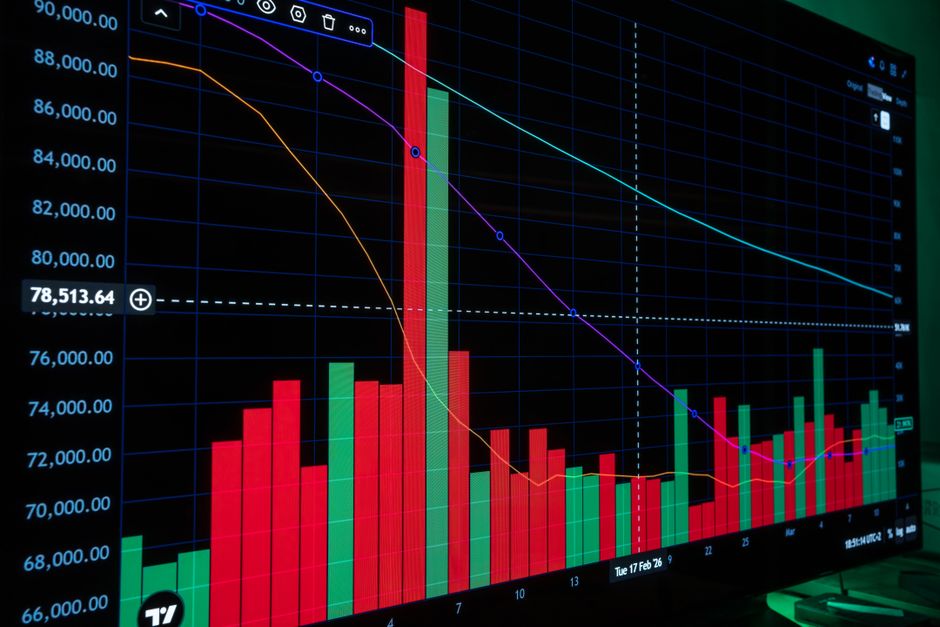
Oil prices jumped sharply after renewed hostilities between the United States and Iran. As of July 8, 2026, Brent crude is nearing $80 a barrel. This increase follows President Trump’s announcement that the temporary truce with Iran is over. The news has reignited fears of conflict in the region. Analysts are now reassessing their forecasts due to this sudden change.
The renewed tensions will impact oil market analysts, energy economists, and supply chain managers. The Strait of Hormuz, a key route for global oil shipments, is a major concern. Career Ahead’s analysis indicates that the ongoing conflict could lead to sustained volatility in oil prices. This volatility will affect strategic decision-making in the energy sector.
Impact of Geopolitical Tensions on Oil Pricing Strategies
As the US-Iran conflict escalates, oil pricing strategies must adapt. Historically, geopolitical tensions have caused sharp price fluctuations in the oil market. For example, the last major conflict in the region saw prices spike dramatically, affecting consumer fuel costs and global supply chain strategies.
Energy economists now face the challenge of forecasting prices in a rapidly changing political environment. According to United Cause’s analysis, ongoing missile exchanges and unresolved disputes suggest that the oil market will remain unstable. This unpredictability makes it hard for analysts to set long-term pricing strategies.
Many oil-producing nations are hesitant to increase production despite higher prices. This reluctance can create a supply-demand imbalance, worsening price volatility. Energy economists must monitor developments closely and adjust their models accordingly.
The financial implications of these price changes are significant. Companies involved in oil trading need strong risk management practices to protect against potential losses. Career Ahead research shows that firms may need to explore derivative instruments and other financial strategies to manage risks linked to fluctuating oil prices.
Companies involved in oil trading need strong risk management practices to protect against potential losses.
Given these developments, the oil market may see more participation from speculative investors. These investors often thrive in volatile markets, which could drive prices even higher. This trend raises questions about the long-term sustainability of current pricing levels and the overall health of the oil market.
You may also like
 Industry & Global Trends
Reliance Retail, 7-Eleven end 5-yr India deal
Reliance Retail and 7-Eleven have concluded their five-year franchise partnership in India, closing nearly 60 convenience stores due to financial losses and increasing competition.
Read More →[[INLINE_IMAGE]]
Supply Chain Disruptions in the Energy Sector
The US-Iran tensions also pose risks to supply chain management in the energy sector. The Strait of Hormuz is vital for about 20% of the world’s oil supply. Any disruption could create a crisis for global energy markets. Political instability in the region can lead to immediate supply chain interruptions.
According to Political Wire, the recent escalation in hostilities has prompted companies to reevaluate their supply chain strategies. Many are considering alternative routes or suppliers to reduce disruption risks. This proactive approach is crucial for maintaining operations and minimizing financial losses.
Supply chain managers must also prepare for increased shipping costs. As tensions rise, insurance premiums for vessels in the region are likely to increase. This could raise costs for consumers and businesses alike. Effective cost management strategies are essential in the energy supply chain.
Uncertainty about supply availability may lead companies to stockpile resources. As firms anticipate shortages, they may increase inventory levels, disrupting market equilibrium. Career Ahead’s analysis finds that this behavior can artificially inflate prices, complicating challenges for supply chain managers.
One effective strategy is using options and futures contracts.
In response, energy sector companies are turning to technology for solutions. Advanced analytics and real-time data monitoring help firms make informed decisions about inventory management and supplier selection. By using these tools, supply chain managers can better navigate a volatile market.
Risk Management Practices in Oil Trading
The current geopolitical climate requires a reevaluation of risk management practices in oil trading. With fluctuating prices due to US-Iran tensions, traders need strategies that can handle market volatility. This requires a deep understanding of market dynamics and external factors driving price changes.
You may also like
 Industry & Global Trends
Why Investors Must Adapt to AI-Driven Market Changes
AI stocks are reshaping market dynamics, necessitating a shift in investment strategies as volatility increases and performance diverges across the sector.
Read More →One effective strategy is using options and futures contracts. These contracts allow traders to lock in prices and hedge against potential losses. As the market reacts to Middle Eastern news, these financial instruments can provide a safety net for traders. Career Ahead research highlights that traders using these strategies can mitigate risks and capitalize on price swings.
Staying informed about geopolitical developments is crucial for effective risk management. Traders must be agile and ready to adjust their strategies based on breaking news. This agility can make a difference between profit and loss in a volatile market. Analysts at News18 note that quick reactions to geopolitical events are essential for success in today’s oil market.
Collaboration among industry players can also enhance risk management. By sharing information and insights, companies can better understand market conditions. This collaborative approach can lead to improved decision-making and resilience against external shocks.
As the situation evolves, oil traders must remain vigilant. They need to continuously assess their risk exposure and adjust strategies accordingly. The potential for further escalations in the US-Iran conflict means the market will likely continue to experience volatility. Effective risk management practices are more critical than ever.
Energy economists should closely monitor geopolitical developments and adjust pricing models accordingly.
As tensions between the US and Iran persist, the oil market is set for continued fluctuations. Analysts will closely watch for developments that could further impact prices and supply chains. The uncertainty surrounding the Strait of Hormuz and the broader geopolitical landscape raises questions about the future stability of oil markets.
Frequently Asked Questions
What factors are driving oil price volatility right now?
Current oil price volatility is mainly driven by renewed hostilities between the US and Iran, especially concerning the Strait of Hormuz. Career Ahead’s analysis shows that geopolitical tensions can cause rapid price fluctuations, affecting supply and demand dynamics.
How can energy economists prepare for potential market disruptions?
You may also like
 Industry & Global Trends
IT Sector Faces Muted Growth Amid AI Deal Challenges
India's leading IT firms, including Tata Consultancy Services (TCS), Infosys, and HCLTech, are expected to report minimal revenue growth in Q2 2026, influenced by geopolitical…
Read More →Energy economists should closely monitor geopolitical developments and adjust pricing models accordingly. Career Ahead research indicates that understanding the link between political events and oil market fluctuations is essential for accurate forecasting.
What strategies should supply chain managers implement in response to geopolitical tensions affecting oil supply?
Supply chain managers should diversify their supplier base and explore alternative shipping routes. Additionally, using technology for real-time data monitoring can help firms make informed decisions in a volatile market.