No products in the cart.

Electronics Masters Challenge Make

India's electronics assembly sector is undergoing significant changes as the Make in India initiative gains momentum, but challenges remain in component manufacturing.

India’s electronics assembly sector is experiencing significant changes as the Make in India initiative gains momentum. The Production Linked Incentive (PLI) scheme has attracted substantial investment, leading to increased local manufacturing capabilities. However, challenges remain in upgrading factories to produce critical components, as highlighted by recent developments in the industry.
In a notable example, Optiemus Electronics has ramped up production of TP-Link routers at its Noida facility, producing over one million units in just a year. This achievement illustrates the potential of India’s electronics assembly sector to meet global demand, particularly as companies like TP-Link shift production from China to India. Yet, the journey from assembly to component manufacturing is fraught with difficulties.
Government Policies Driving Electronics Manufacturing
The Indian government has implemented various policies to bolster the electronics manufacturing sector. The PLI scheme, for instance, has been a game changer, incentivizing companies to set up manufacturing units in India. According to data from the Ministry of Commerce, smartphone exports reached $30 billion in 2025, with iPhones making up a significant portion of that figure.
Additionally, the Electronics Components Manufacturing Scheme (ECMS) has attracted ₹69,000 crore in investments, surpassing its original target. This funding is aimed at enhancing the production of essential components such as camera modules, displays, and resistors, which are critical for the electronics assembly process. The government’s commitment to transforming India into a global electronics hub is evident through these initiatives.
Despite these advancements, the local value addition remains low, with estimates suggesting it stands at only 15-18%, compared to 40% in China. This disparity highlights the urgent need for Indian manufacturers to enhance their capabilities in component production. Career Ahead’s analysis identifies that while assembly operations have improved, the focus must shift towards developing a robust supply chain for components to ensure long-term sustainability and competitiveness.
The government and industry stakeholders must collaborate to develop training programs that equip the workforce with the necessary skills to thrive in this evolving landscape.
You may also like
 Industry & Global Trends
Younger Workers Choose Traditional Crafts Over Digital
As AI reshapes the job market, younger workers are increasingly gravitating towards traditional crafts like bookbinding and metalwork, seeking fulfillment and job security in hands-on…
Read More →Moreover, the need for skilled labor in electronics manufacturing is more pressing than ever. As companies invest in automation and advanced manufacturing technologies, the demand for engineers and technicians who can operate and maintain these systems is increasing. The government and industry stakeholders must collaborate to develop training programs that equip the workforce with the necessary skills to thrive in this evolving landscape. According to a report by the Economic Times, many global companies are looking to establish manufacturing bases in India, which further emphasizes the need for a skilled workforce to meet these demands.
Furthermore, the government’s focus on self-reliance, encapsulated in the Atmanirbhar Bharat initiative, aims to reduce dependency on imports and strengthen local manufacturing capabilities. This initiative is crucial as it aligns with the global trend of companies diversifying their supply chains, particularly in light of recent geopolitical tensions and disruptions caused by the pandemic.
Emerging Technologies and Automation in Assembly Processes
As the electronics assembly sector evolves, so does the technology used in manufacturing processes. Automation is becoming a critical component of production, with companies increasingly adopting robotics and artificial intelligence to enhance efficiency and precision. For instance, Optiemus has integrated surface-mount technology (SMT) in its production lines, allowing for faster and more accurate assembly of electronic components.
However, the transition to fully automated factories is not without challenges. Many Indian manufacturers still operate in a hybrid mode, combining manual labor with automation. This approach can limit productivity and increase the risk of errors. Aditi Sharma, co-chairperson of Assocham’s National Council on Manufacturing, emphasizes that manufacturers must adopt a holistic approach to automation, rather than treating it as a series of incremental investments. The integration of automation technologies is not merely about replacing human labor but enhancing the overall production process.
Furthermore, the global electronics sector is witnessing a surge in the use of industrial robots. In 2024, South Korea had approximately 1,220 robots for every 10,000 manufacturing employees, while India lagged significantly behind with only around 30 robots per 10,000 employees. This gap underscores the need for Indian manufacturers to ramp up their automation efforts to remain competitive in the global market. As highlighted by a recent Mint article, the ability to leverage automation effectively can significantly impact production efficiency and cost reduction.
This shift towards smart manufacturing presents a significant opportunity for electronics assembly professionals to enhance their skill sets and contribute to their organizations’ success.
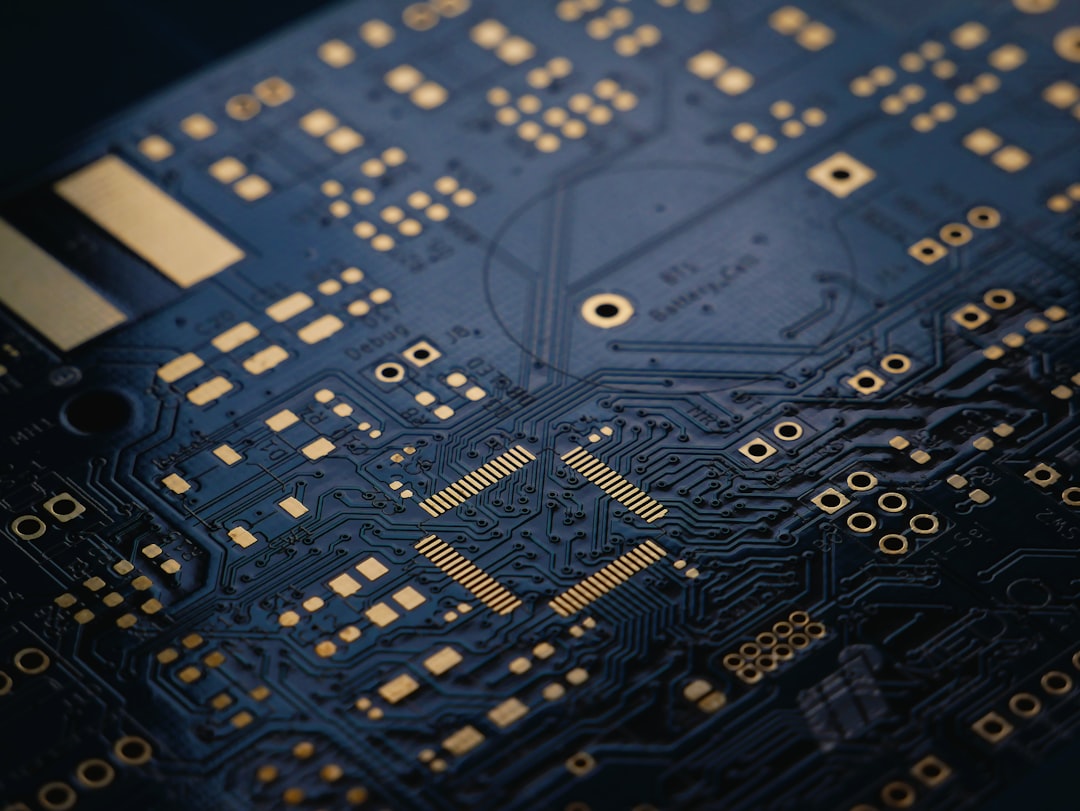
Career Ahead research finds that as automation becomes more prevalent, electronics assembly engineers will need to adapt by acquiring new skills related to robotics and AI. Engineers who can integrate these technologies into production processes will be better positioned to drive efficiency and innovation in their organizations. In addition to automation, advancements in data analytics and predictive maintenance are transforming how manufacturers operate. By leveraging data-driven insights, companies can optimize their production schedules, reduce downtime, and improve overall efficiency. This shift towards smart manufacturing presents a significant opportunity for electronics assembly professionals to enhance their skill sets and contribute to their organizations’ success.
You may also like
 Industry & Global Trends
Chennai Accelerates Industrial Evolution
The transition is marked by the establishment of Global Capability Centers (GCCs) and an influx of startups, which are reshaping the job market.
Read More →As the industry evolves, the emphasis on sustainability and eco-friendly practices is also becoming paramount. Companies are increasingly focusing on reducing waste and energy consumption in their manufacturing processes, aligning with global sustainability goals. This trend not only helps in compliance with regulations but also appeals to environmentally conscious consumers.
In conclusion, the future of electronics assembly in India is promising, yet it is accompanied by challenges that must be addressed. The government’s commitment to boosting local manufacturing, coupled with advancements in technology, presents a unique opportunity for engineers and plant managers. As the industry continues to evolve, staying informed and adaptable will be key to navigating the changing landscape.
Frequently Asked Questions
What are the latest trends in electronics assembly in India?
Career Ahead’s analysis shows that the latest trends in electronics assembly include increased automation, the adoption of advanced manufacturing technologies, and a focus on developing local supply chains for critical components. Companies are also investing in training programs to enhance the skills of their workforce.
Additionally, developing soft skills such as problem-solving and teamwork will be crucial for collaborating effectively in increasingly complex manufacturing environments.
How can manufacturing plant managers optimize operations under Make in India?
Manufacturing plant managers can optimize operations by embracing automation, investing in new technologies, and focusing on workforce development. By enhancing efficiency and precision in production processes, managers can position their companies for success in the competitive landscape.

What skills should electronics assembly engineers develop to succeed in the evolving market?
Electronics assembly engineers should focus on acquiring skills related to automation, robotics, and data analytics. Additionally, developing soft skills such as problem-solving and teamwork will be crucial for collaborating effectively in increasingly complex manufacturing environments.
You may also like
 Industry & Global Trends
AI Boom Faces Debt and Funding Challenges
The AI sector is at a crossroads as debt financing and competition from cheaper Chinese models threaten its growth. This article explores the implications of…
Read More →