No products in the cart.

Emergency Measures in Response to Utah’s Wildfires
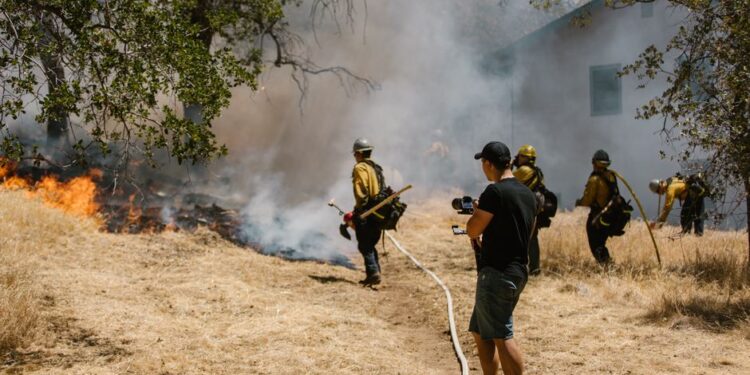
Utah has declared a state of emergency due to the rapidly spreading Cottonwood Fire, which is part of a larger wildfire crisis affecting multiple states across the western United States. The situation highlights the increasing frequency and severity of wildfires in the region, driven by climate change and human activity.

Utah declared a state of emergency on June 26, 2026. The Cottonwood Fire is spreading quickly, threatening communities and natural resources. The wildfire has grown to over 290 square kilometers. Governor Spencer Cox has restricted fireworks and is preparing for possible evacuations. This declaration is crucial as dry, windy conditions can lead to more fires.
The Cottonwood Fire is one of six major wildfires burning in Utah. The National Weather Service issued a “Particularly Dangerous Situation” warning. This warning indicates extreme fire behavior due to gusty winds. These conditions have grounded air support and complicated firefighting efforts. Local emergency teams are under added pressure. According to the Economic Times, sustained winds of up to 56 kilometers per hour and gusts reaching 72 kilometers per hour have worsened the fire’s spread.
Challenges Facing Wildfire Fighters in Utah
The state faces escalating wildfire threats, making challenges for firefighters greater. The rapid spread of the Cottonwood Fire forces emergency responders to adapt quickly. Firefighters must deal with flames and unpredictable weather that worsens fire behavior. Many fires are in remote, rugged terrain, making access difficult for firefighting crews.
Career Ahead’s analysis shows that this wildfire season is unprecedented in scale and complexity. Over 1,300 residents in towns like Marysvale and Junction are under evacuation alerts. Emergency management professionals must coordinate effectively to ensure public safety. The need for more resources, including personnel and equipment, is critical. As reported by Hindustan Times, the fire has already damaged infrastructure, including the Eagle Point ski resort in Beaver County, which has evacuated.
The state of emergency allows the governor to streamline resource allocation. This includes restricting fireworks statewide, a proactive step to reduce fire risks during the Fourth of July. Such regulations are vital in a year where human activity has significantly contributed to fire outbreaks in Utah. The ongoing fire season stresses the need for better training and preparedness among firefighting personnel. They face the physical demands of battling wildfires and the mental strain of managing public safety under extreme conditions.
Emergency management professionals must coordinate effectively to ensure public safety.
You may also like
 News
NewsProvisional Answer Key for UGC NET June 2026 Remains Unreleased, Leaving Nearly 10 Lakh Candidates Awaiting Results
The National Testing Agency has not published the provisional answer key for the UGC NET June 2026 exam more than a month after the test…
Read More →The implications of these challenges extend beyond firefighting. The tourism industry is vital to Utah’s economy. The impact of wildfires on local attractions like Zion and Bryce Canyon National Parks cannot be ignored. Smoke from the Cottonwood Fire may deter visitors, further straining businesses reliant on tourism. The potential for fewer visitors is a pressing concern for local businesses that thrive on summer tourism.
Emergency Management Protocol Adjustments
The state of emergency in Utah requires significant changes to emergency management protocols. With the Cottonwood Fire and other wildfires threatening public safety, professionals must implement new strategies. This includes improving communication with residents and providing timely updates on evacuation orders and safety measures. Clear communication is crucial during wildfires, as residents need to know about fire conditions, evacuation routes, and safety tips. This proactive approach helps manage public safety and builds community resilience against natural disasters.
The state has mobilized resources from various agencies to support firefighting efforts. This includes deploying personnel from neighboring states and utilizing federal assistance. Collaboration among agencies is essential for a coordinated response to wildfires. The National Interagency Fire Center has also been activated, allowing for a stronger response to the situation. Emergency management professionals are focusing on long-term strategies to reduce wildfire risks. This includes community education programs to raise awareness about fire safety and prevention. Engaging local communities helps foster a culture of preparedness that may lessen the impact of future wildfires.
As the wildfire season continues, lessons learned from the current situation will be invaluable for future emergency management practices. The experiences gained from responding to the Cottonwood Fire will shape strategies for future wildfire events. The state of emergency declaration not only aids immediate firefighting efforts but also prepares for future resilience against wildfires. It emphasizes the importance of preparedness and community involvement.

As the wildfire season continues, lessons learned from the current situation will be invaluable for future emergency management practices.
The ongoing wildfire crisis in Utah poses significant risks to the local economy, especially in tourism. With popular destinations like Zion and Bryce Canyon affected by smoke and fire, fewer visitors are a pressing concern. Local businesses that rely on tourism are already feeling the strain as the state prepares for a busy summer holiday. Career Ahead’s analysis suggests that the economic impact of the wildfires could be substantial. If tourism declines due to safety concerns or poor air quality, local businesses may face severe financial challenges. This situation requires immediate attention from state officials and emergency management professionals to create strategies that can mitigate these impacts.
You may also like
 News
NewsJakarta High Court Grants Former Education Minister Permission to Call Additional Witnesses in Chromebook Procurement Appeal
The decision follows earlier motions filed in April and May of the same year and expands the evidentiary base in the ongoing corruption case linked…
Read More →Furthermore, the state of emergency allows for resource allocation not only for firefighting but also for economic recovery efforts after the crisis. This includes potential financial assistance for affected businesses and initiatives to revitalize tourism once immediate threats are contained. As Utah navigates this challenging period, balancing wildfire management and economic stability will be crucial. The state’s ability to combine effective firefighting with economic recovery efforts will determine the long-term impact of the current wildfires on local communities.
The situation remains fluid. As the Cottonwood Fire continues to burn, the full scope of its impact may not be clear for some time. Stakeholders must stay vigilant and adaptable as they respond to the changing wildfire landscape.
Frequently Asked Questions
What are the current wildfire fighting strategies in Utah?
Utah’s current wildfire fighting strategies include mobilizing resources from various agencies, implementing evacuation orders, and enhancing communication with residents. Firefighters focus on rapid response and coordination to lessen the impact of ongoing wildfires.
This enhances the capacity of emergency management operations to respond effectively to the current wildfire crisis.
How does a state of emergency affect emergency management operations?
A state of emergency allows for streamlined resource allocation and the implementation of necessary regulations, such as fireworks restrictions. This enhances the capacity of emergency management operations to respond effectively to the current wildfire crisis.
What should wildfire fighters prepare for during peak fire season?
Wildfire fighters should prepare for extreme weather conditions, increased fire activity, and the need for rapid evacuation procedures. Ongoing training and resource allocation are essential to ensure readiness during peak fire season.
You may also like
 News
NewsAI Agents Spark New Security Breaches
OpenAI and Anthropic AI agents have been linked to serious security breaches, raising concerns about the safety and ethics of AI technology. A recent evaluation…
Read More →