Meta Platforms Inc. has launched Muse Code, its first AI coding agent, aiming to enhance productivity in software engineering and compete with OpenAI and Anthropic.
Meta Platforms Inc. has officially launched Muse Code, its first AI coding agent, on August 5, 2026, marking a pivotal moment in the technology landscape. This new tool is set to compete directly with existing AI coding solutions from OpenAI and Anthropic. Muse Code aims to assist software engineers by automating various coding tasks, such as writing and validating code, thereby enhancing productivity and creativity within the software development process.
This launch comes at a time when the demand for AI-driven solutions in software engineering is rapidly increasing. As companies seek to optimize their development workflows, tools like Muse Code could play a crucial role in reshaping how software is created and maintained. The introduction of Muse Code not only highlights Meta’s commitment to advancing AI technology but also signifies a growing trend towards automation in the tech industry.
Integration of Muse Code into Development Workflows
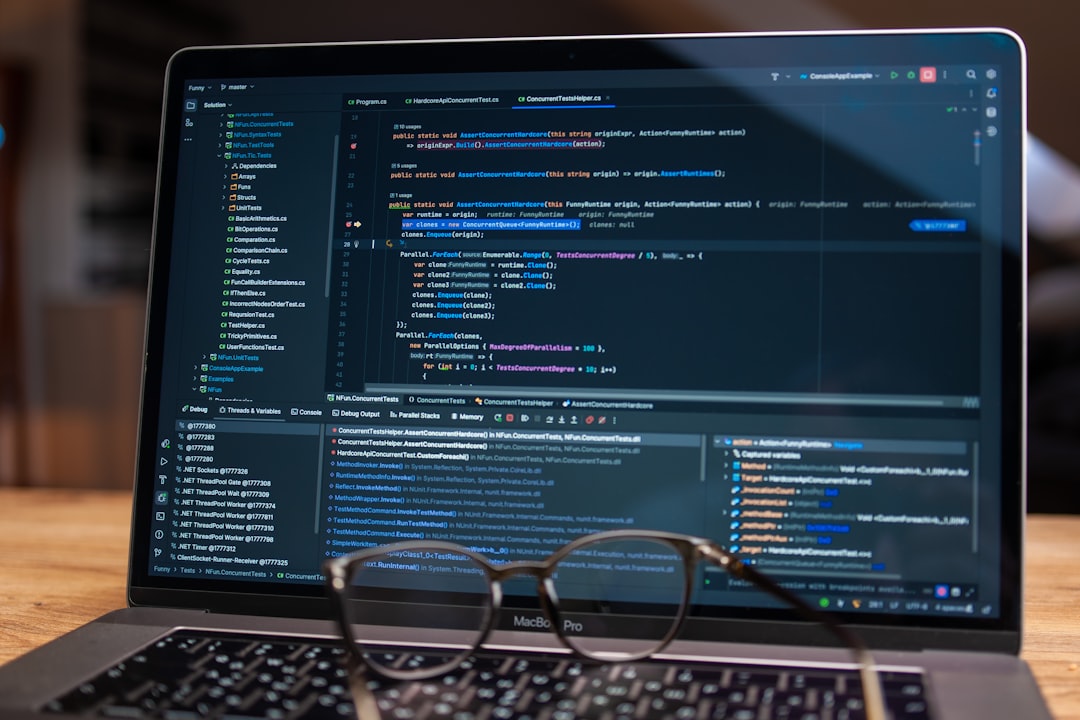
Integrating Muse Code into existing development workflows can significantly enhance the efficiency of software engineers. Muse Code is designed to seamlessly integrate with popular Integrated Development Environments (IDEs) and version control systems, allowing developers to leverage its capabilities without disrupting their current processes. By automating routine coding tasks, such as generating boilerplate code or debugging, engineers can focus more on complex problem-solving and creative aspects of their projects.
Moreover, Muse Code’s ability to learn from existing codebases enables it to provide context-aware suggestions, which can improve the quality of the code produced. This feature is particularly beneficial for teams working on large-scale projects where consistency and adherence to coding standards are paramount. As developers become accustomed to using Muse Code, they may find that their overall productivity increases, allowing them to deliver projects faster and with fewer errors. According to a report by Bloomberg, the tool is designed to enhance collaboration among team members, allowing for a more integrated approach to software development that could lead to innovative solutions.
However, the integration of AI tools like Muse Code may also require software engineers to adapt their skill sets. Understanding how to effectively collaborate with AI agents will be crucial for maximizing their benefits. Engineers will need to learn how to interpret AI-generated suggestions and incorporate them into their workflows, which may involve a shift in mindset from traditional coding practices to a more collaborative approach with AI. As highlighted by CNBC, this collaboration could redefine the role of software engineers, pushing them to become more strategic thinkers rather than just code writers.
The ability to work alongside AI will not only enhance their technical skills but also position them as forward-thinking professionals in an increasingly automated industry.
HackerRank's AI interviewer, Chakra, is transforming recruitment by streamlining the hiring process and emphasizing critical thinking and problem-solving skills in candidates.
Career Ahead analysis finds that as Muse Code becomes more widely adopted, software engineers who proactively embrace these tools will likely gain a competitive edge in the job market. The ability to work alongside AI will not only enhance their technical skills but also position them as forward-thinking professionals in an increasingly automated industry. Furthermore, tech startup founders should consider how Muse Code can be leveraged to streamline their development processes. Startups often operate under tight deadlines and limited resources, making the efficiency gains offered by AI coding tools particularly attractive. By adopting Muse Code early, founders can set their teams up for success and foster a culture of innovation within their organizations.
Impact on Coding Roles and Responsibilities
The introduction of Muse Code is poised to change the landscape of coding roles and responsibilities. As AI tools take on more routine coding tasks, the role of the software engineer may evolve to focus more on oversight and strategic decision-making. Engineers may find themselves spending less time on coding and more on architecture, design, and integrating various systems. This shift is indicative of a broader trend in the tech industry where automation is increasingly taking over repetitive tasks, allowing human talent to concentrate on more complex and creative endeavors.
Additionally, the rise of AI coding agents raises questions about job security for entry-level positions. With tools like Muse Code handling simpler coding tasks, there may be a reduced need for junior developers who traditionally performed these functions. This shift could lead to a redefinition of career pathways in software engineering, with an increased emphasis on advanced skills and continuous learning. As noted in the analysis by Career Ahead, engineers who focus on developing specialized skills in areas such as machine learning and data science will be better positioned to thrive in the evolving job market.
While some may view this trend as a threat, it also presents an opportunity for engineers to upskill and specialize in areas that require human intuition and creativity. For example, roles that involve machine learning, data science, and complex system design are likely to remain in high demand, as these areas require a level of expertise that AI cannot replicate. Furthermore, as Muse Code and similar tools become integral to development processes, companies will need to rethink their hiring strategies. Organizations may prioritize candidates who possess both strong technical skills and the ability to collaborate effectively with AI tools. This shift could lead to a more diverse skill set among software engineers, with an emphasis on adaptability and continuous learning.
As the industry progresses, it will be essential for software engineers to stay informed about emerging technologies and trends. By doing so, they can ensure their skills remain relevant and valuable in a rapidly changing landscape. The competition between Muse Code and established players like OpenAI’s Codex will likely drive innovation in the AI coding space. As these tools continue to develop, software engineers will need to stay agile and open to adopting new technologies that can enhance their workflows.
This shift could lead to a redefinition of career pathways in software engineering, with an increased emphasis on advanced skills and continuous learning.
Meta’s launch of Muse Code represents a significant step forward in the evolution of AI coding tools. As the industry embraces automation, software engineers must adapt to the changing landscape and consider how AI can augment their skills and capabilities. The future of software development may hinge on the ability to effectively collaborate with AI agents, making it imperative for engineers to embrace this shift.
Frequently Asked Questions
What features does Muse Code offer for software engineers?
Muse Code provides features such as code generation, debugging assistance, and context-aware suggestions tailored to specific projects. These capabilities aim to enhance coding efficiency and support engineers in producing high-quality software.
How does Muse Code compare to OpenAI’s Codex?
Muse Code and OpenAI’s Codex both assist developers with coding tasks, but Muse Code emphasizes a more collaborative approach and contextual learning based on specific codebases. This may offer a more tailored experience for users within the Meta ecosystem.
What should tech startup founders consider when adopting AI coding tools?
Tech startup founders should evaluate how AI coding tools like Muse Code can streamline their development processes and enhance team productivity. Early adoption may provide a competitive advantage in delivering innovative solutions quickly.



AI & Technology
AI & Technology