
San Francisco, USA — In the rapidly evolving world of design, emotional design is gaining traction as a pivotal approach that merges neuroscience, aesthetics, and empathy. This innovative framework seeks to create experiences that resonate deeply with users, transforming how products and services are developed and perceived.
Emotional design goes beyond functionality. It taps into human emotions, aiming to evoke feelings that enhance user engagement and satisfaction. As industries increasingly prioritize user experience, understanding the emotional triggers that influence decision-making becomes essential.
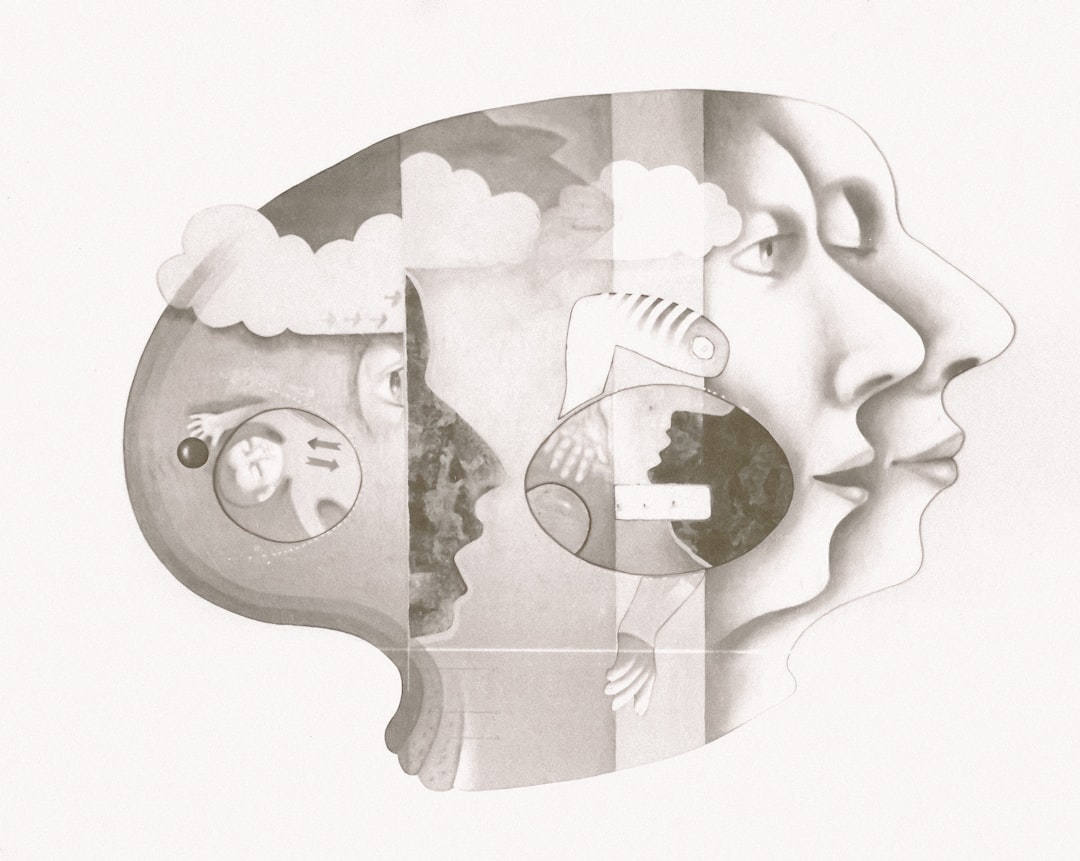
The significance of emotional design is underscored by recent research from the Nielsen Norman Group, which highlights that users are more likely to engage with products that elicit positive emotions. Their findings reveal that 70% of users abandon websites due to poor design, emphasizing the critical role that aesthetics and emotional resonance play in user retention and satisfaction.
As businesses strive to innovate, emotional design is not merely a trend but a necessity. Studies indicate that companies that prioritize emotional connections can see a 20% increase in customer loyalty. For instance, Apple’s design philosophy, which emphasizes simplicity and emotional engagement, has contributed significantly to its brand loyalty and market success.
The Science Behind Emotional Design
At the core of emotional design lies neuroscience, which provides insights into how the brain processes emotions. Research from the University of California, Berkeley, shows that emotional responses can significantly influence cognitive functions, including memory and decision-making. This understanding allows designers to create products that resonate on a deeper level.
As businesses strive to innovate, emotional design is not merely a trend but a necessity.
For example, a study published in the journal Emotion found that aesthetically pleasing designs trigger positive emotions, which in turn enhance cognitive processing. This interplay between aesthetics and emotional response is crucial for designers aiming to create impactful experiences.
Real-World Applications and Impacts
Leading companies are already harnessing the power of emotional design. For instance, Airbnb utilizes emotional storytelling in its user interface, creating a sense of belonging and community. This approach not only enhances user experience but also fosters trust and loyalty among users.
Similarly, Nike’s “Just Do It” campaign exemplifies emotional design by inspiring motivation and resilience. By connecting with consumers on an emotional level, Nike has solidified its position as a leader in the sportswear market.
Moreover, the automotive industry is witnessing a shift towards emotional design. Tesla’s focus on creating an exhilarating driving experience, coupled with sleek aesthetics, has redefined consumer expectations in electric vehicles. This strategy has not only attracted a loyal customer base but has also positioned Tesla as a pioneer in sustainable innovation.
Moreover, the automotive industry is witnessing a shift towards emotional design.
Challenges and Considerations
Despite its advantages, emotional design is not without challenges. One significant concern is the potential for manipulation. As designers gain insights into emotional triggers, ethical considerations come into play. The line between persuasion and manipulation can become blurred, raising questions about the responsibility of designers to ensure that emotional engagement is used ethically.
Furthermore, designing for diverse audiences requires a nuanced understanding of cultural differences in emotional expression. What resonates in one culture may not have the same impact in another. This complexity necessitates a thoughtful approach to emotional design that considers the diverse backgrounds of users.
Looking Ahead: The Future of Emotional Design
As we look to the future, the integration of emotional design into technology and user experience is poised to expand. With advancements in artificial intelligence and machine learning, designers will have access to more data on user emotions and preferences. This data-driven approach can enhance personalization, making experiences even more engaging.
Moreover, as remote work and digital interactions become more prevalent, the demand for emotionally resonant designs will increase. Companies that prioritize emotional connections will likely thrive, as users seek meaningful experiences amid digital noise.
Incorporating emotional design principles into education and training programs will also be crucial. As future designers learn to navigate the complexities of human emotions, they will be better equipped to create products that not only meet functional needs but also resonate on a personal level.
Incorporating emotional design principles into education and training programs will also be crucial.
Ultimately, the future of emotional design lies in its ability to foster genuine connections between users and products. As industries continue to evolve, the emphasis on empathy and emotional engagement will shape the next wave of innovation.
Written by Career Ahead AI. AI can make mistakes, so verify key facts. Report errors to support@careeraheadonline.com.