No products in the cart.

India’s Student Visa Fees Surge as Security Tightens
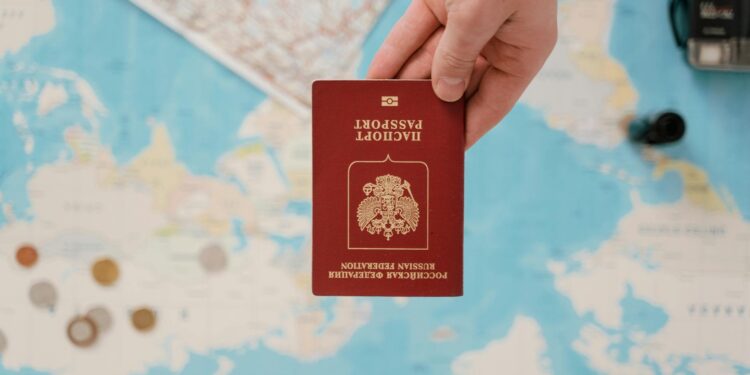
India’s three‑fold hike in student visa fees threatens to curb outbound study, pressuring the government to devise scholarships and alternative pathways to keep talent flowing.

Higher fees will push many Indian scholars out of overseas classrooms, forcing a rethink of how the country fuels its talent pipeline.
India’s Student Visa Fee Hike: A Barrier to Education
The Indian government has announced a significant increase in student visa fees, effective May 1, 2026. The new fees will be ₹15,000 for undergraduate applicants and ₹20,000 for postgraduate candidates. This three-fold hike is intended to fund new biometric checks and background-screening software, introduced in response to fraud cases. However, critics argue that the increased fees will strain families already coping with tuition, living costs, and exchange-rate volatility.
Global Visa Fee Trends and Security Concerns
India’s move mirrors a wave of stricter visa regimes worldwide. For example, Japan has proposed a ten-fold increase in its residency-fee cap. Security worries have also intensified, with a strike at Kuwait International Airport prompting travel alerts across the Gulf, and anti-India protests in neighboring Bangladesh forcing the closure of two Indian visa centers.
India’s Student Visa Fee Hike: A Barrier to Education The Indian government has announced a significant increase in student visa fees, effective May 1, 2026.
The Stakes: Impact on Students, Education, and the Economy
The higher fees are likely to deter a significant number of Indian students who study abroad each year. A survey by the Confederation of Indian Industry estimates a 12% drop in outbound enrolments if fees exceed ₹12,000. Reduced outbound flow means fewer remittances, lower foreign-exchange earnings, and a slower return of skilled talent. The World Bank notes that each overseas graduate brings back an average of $30,000 in earnings over five years, a boost to India’s GDP that could shrink by $3 billion annually if the fee hike takes hold.
Response: Government Initiatives and Student Reactions

Student groups have organized petitions demanding a fee rollback, citing equity concerns. The government has hinted at a merit-based scholarship scheme that would cover up to ₹10,000 of the new fee for top-ranked candidates. Private firms, such as EdTech platform Unacademy, are also stepping in to offer limited-time grants and alternative pathways.
Outlook: Future of International Education and Visa Regulations
The fee surge could accelerate a shift toward hybrid learning, with universities in the United States and the United Kingdom expanding joint-degree programmes that combine online coursework with a short campus stint. Governments may also revisit bilateral education agreements to keep student flows alive. India’s upcoming talks with Australia include a proposal for a “reciprocal fee waiver” that would align costs on both sides.
You may also like
 Government & Policy
Centre tightens sugar stock limits for dealers amid festive demand
India has imposed new stock limits on sugar dealers effective October 15, 2026, restricting them to holding no more than 1,000 quintals of sugar at…
Read More →—