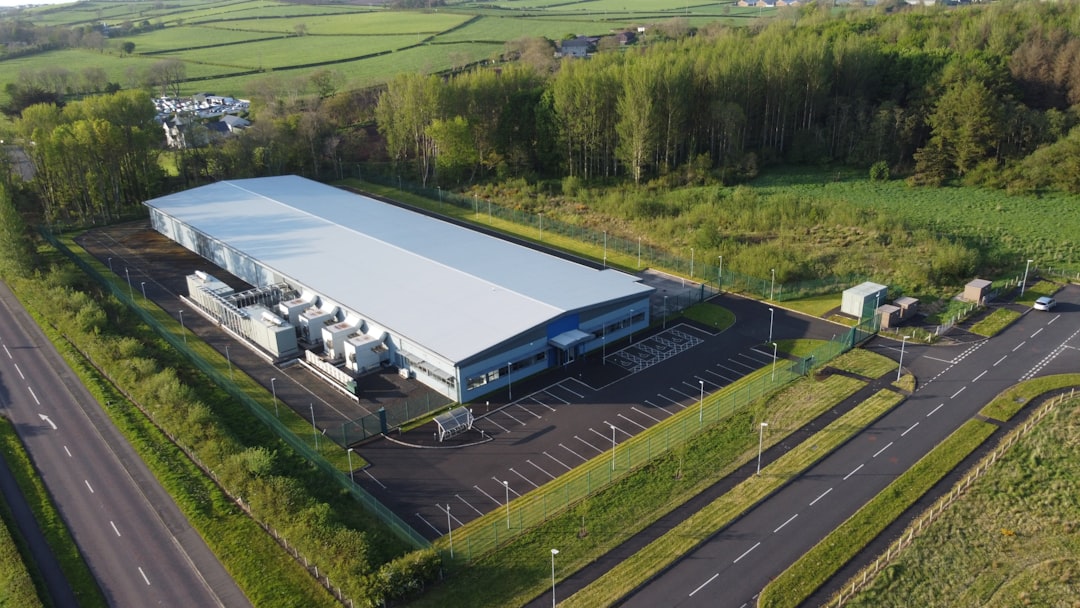
Finland has halted Google's data center projects due to environmental concerns, impacting a significant investment aimed at expanding AI infrastructure. This situation reflects a growing trend of regulatory scrutiny in tech expansion, emphasizing the need for sustainability in the industry.
Finland has stopped work on two Google data center sites. This pause is part of a larger environmental assessment. It affects Google’s $15 billion investment to expand AI infrastructure in the country. The Finnish Supervisory Agency ordered the suspension of work at sites in Muhos and Kajaani until environmental compliance is confirmed.
The agency stepped in due to concerns about land clearing and construction without necessary environmental assessments. Authorities are looking into whether hundreds of hectares of forest were cleared improperly. This situation highlights the tension between tech expansion and environmental care. Finland aims to be a data center hub, using its cold climate and renewable energy to attract tech companies. However, this halt raises questions about the sustainability of rapid growth without proper environmental checks.
Impact on Data Center Construction Timelines
The pause on Google’s projects shows a significant delay in data center construction due to new regulations. Google announced its €13 billion investment in Finland in September 2026 to boost its AI capabilities in Europe. However, the halt in Muhos and Kajaani may push back the timeline for these vital infrastructure projects. This delay could affect not just Google but also the wider tech ecosystem that relies on AI advancements. A report by Mint suggests this suspension could jeopardize Google’s plans for a strong AI grid in Finland, crucial for its operations across Europe.
Career Ahead’s analysis indicates that such regulatory actions are becoming more common as governments focus on environmental sustainability. The Finnish Minister of the Environment warned that if Google and its contractors violated environmental regulations, serious consequences could follow. This scrutiny impacts Google’s operations and sets a precedent for how tech companies handle environmental compliance in the future. As demand for data centers rises with the AI boom, the environmental impact of building these facilities also grows. This situation requires a careful balance between growth and sustainability.
The construction delays could affect job opportunities for cloud infrastructure engineers and data center project managers in Europe. With extended project timelines, job openings may decrease, especially for those eager to enter a competitive field. Engineers and project managers must now navigate a landscape where environmental regulations are a key consideration in planning and execution. As tech giants like Google face more scrutiny over their environmental impact, the skills needed for cloud infrastructure roles may shift. Professionals will need to understand and implement sustainable practices, changing hiring criteria and development programs.
McDonald’s is facing a federal lawsuit alleging that its AI pricing tool leads to illegal price-fixing among franchise owners, raising concerns about competition and consumer…
Professionals will need to understand and implement sustainable practices, changing hiring criteria and development programs.
As this situation unfolds, cloud infrastructure engineers and project managers must stay updated on changing regulations. Adapting to these changes will be vital for career relevance in an industry increasingly linked to environmental issues. The Finnish Association for Nature Conservation has raised concerns about the environmental impact of large-scale developments, stressing the need for a more sustainable approach to tech expansion.
Potential Shifts in Job Availability for Cloud Infrastructure Engineers
The halt of Google’s data center projects may significantly change job availability for cloud infrastructure engineers in Europe. Major tech firms are investing heavily in AI and cloud computing, leading to a surge in demand for skilled professionals. However, with the current construction pause, the immediate job market may tighten. Career Ahead’s analysis shows that while demand for cloud infrastructure engineers is expected to grow, regulatory hurdles may delay this growth. Engineers skilled in sustainable practices may have an advantage as companies adapt to new compliance requirements. Those with traditional skills may need to pivot or enhance their expertise to stay competitive.
Additionally, the changing regulatory landscape may lead companies to rethink their hiring strategies. Firms may prioritize candidates knowledgeable about environmental compliance and sustainability practices. This shift could create new opportunities for engineers with specialized training in these areas. Forbes notes that Google’s €13 billion investment is not just about expanding infrastructure; it also shows a commitment to sustainable energy sources, including nuclear power, which may influence future hiring trends in the industry.
As the tech industry faces these changes, cloud infrastructure engineers must prepare for a job market increasingly tied to environmental compliance. Staying ahead of these trends is essential for career growth and stability. The intersection of technology and environmental compliance will shape the future of cloud infrastructure roles, creating both challenges and opportunities. The resolution of the current situation in Finland will be crucial for Google’s plans and the broader tech industry. Will the company align its ambitious AI goals with necessary environmental standards, or will this serve as a warning for other tech giants?
The implications of halted projects go beyond immediate job availability. Ongoing scrutiny of environmental regulations will likely affect how tech companies approach their expansion strategies. This could lead to a more sustainable growth model that prioritizes ecological considerations alongside technological advancements.
Staying ahead of these trends is essential for career growth and stability.
Frequently Asked Questions
What are the implications of halted data center projects for cloud infrastructure engineers?
The halt of Google’s data center projects in Finland may lead to job shortages for cloud infrastructure engineers. Delays in construction could result in fewer immediate job opportunities, especially for newcomers to the field.
How can data center project managers adapt to changing regulations?
Data center project managers should stay informed about environmental regulations. They should also consider integrating sustainable practices into their projects. Understanding compliance requirements will be crucial for future project success.
What should cloud infrastructure engineers do about environmental compliance in their projects?
Cloud infrastructure engineers should improve their knowledge of environmental regulations and sustainability practices. As compliance becomes essential in project planning, engineers must adapt their skills to meet these new demands.




Government & Policy

 Government & Policy