No products in the cart.

Poland Drives EU Energy Resilience Amid Russian Threats
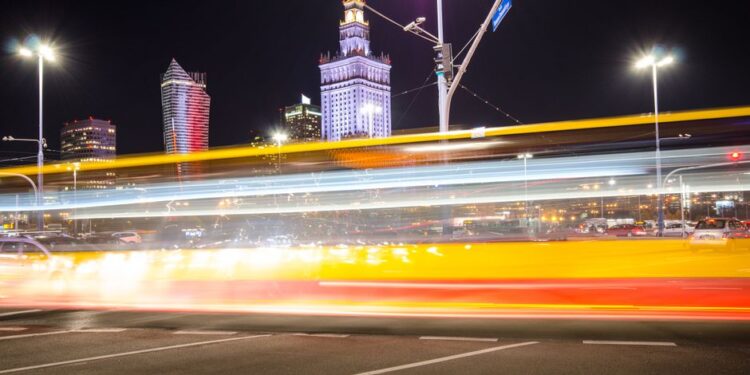
Poland is enhancing its energy resilience through strategic initiatives aimed at reducing reliance on Russian gas and fostering collaboration with EU neighbors. This effort is critical for both national and regional energy security amidst ongoing geopolitical tensions.

Poland is taking major steps to improve energy resilience in the European Union. This effort responds to the geopolitical challenges from Russian aggression, especially after the invasion of Ukraine. Poland is building its first offshore gas terminal and other projects to diversify energy sources and lessen reliance on Russian gas.
As Poland strengthens its energy sector, it is also working closely with neighboring countries. This collaboration is crucial for Poland and the EU, which aims to enhance energy security amid global instability. The urgency of these projects highlights the vulnerabilities of depending on a single supplier, as seen during the energy crisis.
Poland’s Strategic Energy Initiatives
Building an offshore liquefied natural gas (LNG) terminal near Gdańsk is central to Poland’s energy strategy. This facility will boost Poland’s LNG regasification capacity from 8.3 billion cubic meters to an expected 20 billion cubic meters by 2030. These expansions are vital for positioning Poland as a key energy hub for Central and Eastern Europe, allowing it to supply neighboring countries that have relied on Russian gas. According to The Guardian, this terminal represents Poland’s commitment to energy independence and solidarity with EU partners against external threats.
Poland’s energy transition also benefits from EU financial support. The country has secured about €54.7 billion from the EU’s post-COVID recovery fund, with a large portion allocated for energy projects. This funding will aid the shift to cleaner energy sources and infrastructure development, essential for achieving energy independence. The EU’s support aligns with its broader goals of reducing carbon emissions and enhancing energy security across member states.
In addition to the LNG terminal, Poland is investing in renewable energy sources like wind and solar power. This diversification is crucial to reducing reliance on fossil fuels, which make up a significant part of Poland’s energy mix. The World Bank reports that coal still accounts for over 50% of Poland’s electricity generation, highlighting the need for a swift transition to sustainable energy. The Polish government is promoting policies to encourage investment in renewable technologies, aiming for a 32% share of renewables in the energy mix by 2030.
This funding will aid the shift to cleaner energy sources and infrastructure development, essential for achieving energy independence.
You may also like
 Industry & Global Trends
Repo Rate Hike Shapes Financial Analyst and Broker Roles
The Reserve Bank of India's recent repo rate hike to 5.5% marks a pivotal shift in monetary policy. Financial analysts and investment brokers must adapt…
Read More →Poland’s energy initiatives also reflect its historical context. The offshore terminal is named “Solidarity,” honoring the country’s past and its commitment to strengthening ties with the EU. The Solidarity movement of the 1980s was key to Poland’s journey toward democracy and economic reform. This new energy initiative symbolizes a continuation of that spirit in facing modern challenges. Research from CNCR notes that the Solidarity movement was about labor rights and national independence, resonating with Poland’s current energy strategy to reduce dependence on external powers.
As Poland advances, it must balance its energy needs with environmental commitments. The country has set ambitious targets for reducing carbon emissions while transitioning from a coal-dependent economy to one that embraces renewable energy. This balance is crucial for meeting EU climate goals while ensuring energy security for its citizens and neighbors.
Impact on EU Energy Policy and Investment
Poland’s energy strategy is shaping EU-wide policies and investment strategies. Increased collaboration among EU member states is a direct response to lessons learned from the energy crisis caused by Russian aggression. Countries are now more willing to work together to ensure energy diversification and security, which is vital for regional stability. Poland’s initiatives are reshaping the EU’s collective approach to energy security, emphasizing the importance of solidarity in addressing shared challenges.
Career Ahead’s analysis suggests that Poland’s initiatives may shift investment patterns within the EU. Investors are likely to focus on projects that enhance energy resilience, especially in renewable energy sectors. This shift could create new opportunities for renewable energy investors looking to benefit from the changing landscape. The emphasis on renewable energy investments aligns with the EU’s Green Deal, which aims to make Europe climate-neutral by 2050, further encouraging investments in sustainable energy projects.
Additionally, changes in regulatory frameworks are expected as the EU adapts to new energy realities. European energy regulators will need to facilitate cross-border energy trade and ensure that infrastructure investments align with the EU’s climate goals. This regulatory evolution will be essential for supporting Poland’s ambitions and the broader EU energy strategy. As noted in the Wikipedia entry on Solidarity, the historical context of Poland’s energy initiatives highlights the importance of collective action in overcoming adversity.
This collaborative spirit is vital for building a resilient energy future in the EU, especially amid ongoing geopolitical tensions.
You may also like
 Government & Policy
Peru’s Rate Hike Signals Economic Shift
Peru's Central Reserve Bank is set to raise interest rates for the first time since 2023, responding to rising inflation. This decision reflects a broader…
Read More →As Poland becomes a leader in energy resilience, its actions may inspire other EU member states to adopt similar strategies. The focus on solidarity and cooperation can create a stronger energy community across Europe, reducing vulnerabilities linked to over-reliance on single suppliers. This collaborative spirit is vital for building a resilient energy future in the EU, especially amid ongoing geopolitical tensions.
Looking ahead, the success of Poland’s energy initiatives will depend on effective project implementation and continued EU support. The interaction between national policies and EU regulations will be crucial in shaping Europe’s energy future. With ongoing geopolitical tensions and the need for sustainable energy solutions, developments in Poland’s energy landscape will be closely watched. The outcomes of these initiatives could set a precedent for how European countries approach energy security and sustainability in the coming years.
Frequently Asked Questions
What are the implications of Poland’s energy policy changes for energy analysts?
Career Ahead’s analysis shows that energy analysts should monitor Poland’s evolving energy landscape, especially the impact of new LNG terminals and renewable energy investments. These changes may affect regional energy prices and supply dynamics, requiring a reevaluation of existing models.
Career Ahead’s analysis shows that energy analysts should monitor Poland’s evolving energy landscape, especially the impact of new LNG terminals and renewable energy investments.
How can renewable energy investors capitalize on EU energy resilience initiatives?
Investors can use Poland’s energy strategy as a guide to find opportunities in renewable energy projects. The focus on energy diversification and EU funding may create favorable conditions for investment in solar, wind, and other renewable technologies.

What should European energy regulators consider in light of Poland’s actions?
Energy regulators in Europe need to adapt to the changing energy landscape by facilitating cross-border energy trade and ensuring regulatory frameworks support the transition to renewable energy. This includes addressing challenges from energy imports and the need for cohesive EU-wide policies.
You may also like
 Government & Policy
Repo Rate Climbs to 5.5%; Rate Cuts Unlikely Soon
The Reserve Bank of India has raised the policy repo rate to 5.5%, marking a shift to 'calibrated tightening' amid rising inflation pressures and global…
Read More →