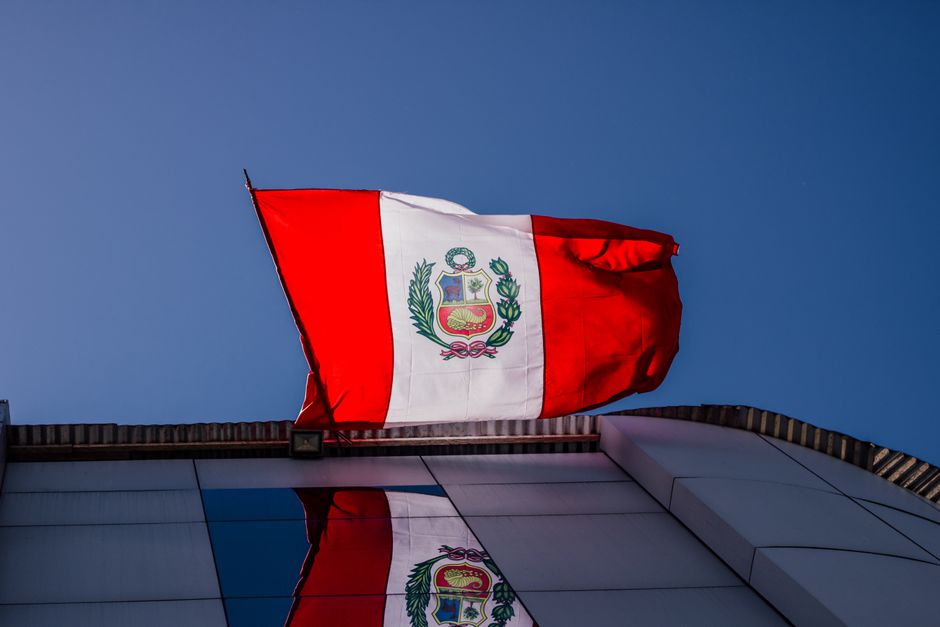
Peru's Central Reserve Bank is set to raise interest rates for the first time since 2023, responding to rising inflation. This decision reflects a broader trend seen in various economies worldwide as central banks adjust monetary policies to combat inflationary pressures. The implications of this rate hike extend beyond Peru, influencing regional investment strategies and economic forecasts.
Peru is set to raise its interest rates for the first time since 2023. This move responds to growing inflationary pressures. The Central Reserve Bank of Peru (BCRP) is expected to announce this decision soon. Rising consumer prices have created a need to stabilize the economy. Analysts believe this rate hike could impact investment strategies and economic forecasts across the region.
This decision is critical because Peru has faced persistent inflation. Inflation levels have reached highs not seen in years. The BCRP’s choice reflects a shift in monetary policy aimed at controlling inflation and promoting economic stability. Financial analysts and economists are closely watching these developments. Understanding the implications of this rate change is essential for predicting market movements and investment opportunities.
Impact on Inflation Rates in Peru
The expected rate hike in Peru directly addresses rising inflation. This inflation affects both consumers and businesses. Data from the National Institute of Statistics and Informatics (INEI) shows that inflation in Peru has been steadily climbing. The BCRP aims to curb consumer spending and borrowing by increasing interest rates. This should help reduce inflationary pressures. The World Bank notes that inflation trends in Peru are influenced by domestic factors, like increased demand, and external pressures, such as rising global commodity prices.
Career Ahead’s analysis shows that higher interest rates usually lead to increased borrowing costs. This can result in reduced spending, which may help control inflation. However, this approach risks slowing economic growth. Higher financing costs may cause businesses to delay investments. The World Bank emphasizes that while controlling inflation is vital, the timing and size of rate hikes must be carefully managed. This is to avoid hindering economic recovery.
External factors, such as rising commodity prices and global supply chain disruptions, have worsened inflation in Peru. As these pressures persist, the effectiveness of the BCRP’s rate hike will be closely monitored. Financial analysts need to consider how these external factors interact with domestic policies when predicting inflation trends. The BCRP’s actions will be scrutinized, as any mistakes could lead to public dissatisfaction and potential social unrest. Rising inflation increases the cost of living, which can lead to social unrest. Economists must monitor public sentiment and its impact on government policies, as dissatisfaction with prices can influence future monetary decisions.
Economists must monitor public sentiment and its impact on government policies, as dissatisfaction with prices can influence future monetary decisions.
Poland is enhancing its energy resilience through strategic initiatives aimed at reducing reliance on Russian gas and fostering collaboration with EU neighbors. This effort is…
Additionally, the BCRP’s strategy must consider the broader economic context, including employment rates and wage growth. If wages do not keep up with inflation, consumer purchasing power will decline. This complicates the economic landscape. Policymakers must find a delicate balance as they navigate inflation and interest rate adjustments.
Changes in Investment Strategies for Local Businesses
The upcoming interest rate hike will force businesses in Peru to reevaluate their investment strategies. Higher interest rates usually lead to increased borrowing costs. This can discourage businesses from taking on new debt for expansion or operations. Many companies may rethink their growth plans and focus on optimizing current resources. According to the OECD, sectors sensitive to interest rate changes, like real estate and construction, may slow down new projects as financing becomes more expensive.
Career Ahead research indicates that businesses in these sensitive sectors may need to adjust their financial strategies. Higher costs of capital could lead to a decrease in overall investment activity. This shift might impact employment levels and economic growth. Businesses may hesitate to hire new employees or invest in training programs. Local businesses may adopt more conservative financial strategies, prioritizing cash flow management and cost-cutting measures. This cautious approach could ripple through the economy, leading to reduced consumer spending and further stagnation.
On the other hand, some sectors may benefit from the rate hike. For example, financial institutions might see increased profitability from higher interest margins. Analysts should watch how different industries adapt to the changing economic landscape and adjust their forecasts. The BCRP’s decision may also lead to a reallocation of capital. Investors might seek opportunities in sectors less sensitive to interest rate fluctuations, like technology or renewable energy.
As the business environment changes, companies must remain agile. Understanding the implications of the rate hike is crucial for navigating the challenges and opportunities this shift presents. The ability to adapt quickly to changing economic conditions will be key for many firms in the coming months.
The Reserve Bank of India has raised the policy repo rate to 5.5%, marking a shift to 'calibrated tightening' amid rising inflation pressures and global…
Career Ahead research indicates that businesses in these sensitive sectors may need to adjust their financial strategies.
As the BCRP implements its rate hike, analysts and economists must stay vigilant. They should consider both domestic and international factors that influence investment decisions. The next few months will be critical for Peru as the effects of the interest rate hike unfold. Observers will be eager to see how this decision influences inflation, business investment, and foreign capital flows. The interplay between these elements will shape Peru’s economic landscape in the near future.
Frequently Asked Questions
What are the implications of a rate hike for financial analysts in Peru?
The rate hike will require financial analysts to adjust their inflation and growth forecasts. They must consider the potential slowdown in consumer spending and business investment caused by higher rates.
How should economists adjust their forecasts following Peru’s rate increase?
Economists should incorporate the expected effects of higher interest rates on inflation and economic growth into their models. This includes analyzing sector-specific impacts and potential changes in foreign investment.
What investment strategies should businesses consider in light of Peru’s changing interest rates?
Businesses may need to adopt more conservative financial strategies. They should focus on cash flow management and cost optimization. Sectors sensitive to interest rates should prepare for potential slowdowns in growth and investment.




Government & Policy
Government & Policy