No products in the cart.

What Burnham’s Heathrow Stance Means for Aviation Jobs and Environment
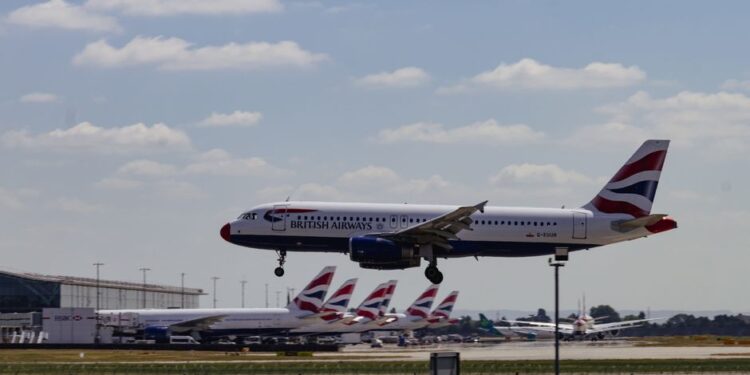
Andy Burnham's refusal to back the third runway at Heathrow raises significant questions about future aviation policy in the UK, particularly regarding job markets and environmental assessments.

London, UK — Prime Minister Andy Burnham has declined to support the proposed third runway at Heathrow Airport, a decision that could delay the expansion by up to four years. Burnham, who previously served as the Mayor of Greater Manchester, emphasized that local voices should have the primary say in such matters. He stated, “I think principally, it’s a matter for London and Londoners.” This sentiment reflects a growing trend among politicians to prioritize local opinions in major infrastructure projects.
Heathrow Airport has acknowledged challenges in meeting its original timeline for the runway, which is now expected to be operational by 2039 instead of the previously planned 2035. This delay raises questions about the future of aviation policy in the UK and the balance between economic growth and environmental sustainability.
Job Creation and Economic Implications
The proposed third runway at Heathrow is projected to create approximately 100,000 jobs and significantly boost the UK economy. However, Burnham’s refusal to endorse the runway raises concerns about potential delays in job creation within the aviation sector. Estimates suggest that the expansion would increase the number of flights from 480,000 to 720,000 annually, enhancing connectivity and economic opportunities for the region.
Unions such as Unite and GMB have voiced their support for the runway, highlighting its importance for unionized jobs and the UK steel market. Their backing underscores the broader economic implications of the project, which extends beyond aviation to impact construction and manufacturing sectors as well. The construction and operation of the runway would have created numerous job opportunities, and the postponement may hinder the recovery of these roles, particularly in the wake of the economic challenges posed by the pandemic.
The current political climate is critical. Burnham’s stance could shift public sentiment and pressure other politicians to reconsider their positions on airport expansions. As regional leaders weigh the economic benefits against environmental concerns, the aviation job market may face uncertainty in the coming years.
The current political climate is critical.
Environmental Concerns and Regulatory Challenges
Burnham’s decision not to support the third runway highlights the increasing influence of environmental regulations on transportation planning in the UK. The expansion project has faced strong opposition from environmental groups, who argue that it would exacerbate greenhouse gas emissions and worsen air quality in London and surrounding areas.
Research indicates that the debate over Heathrow’s expansion reflects a larger trend in transportation policy, where environmental sustainability is becoming a key factor in decision-making. As cities and countries strive to meet climate goals, projects that may harm the environment are under heightened scrutiny. This trend is particularly relevant as the UK aims to achieve net-zero emissions by 2050.
Transportation planners now face the challenge of balancing economic growth with environmental sustainability. They must incorporate environmental assessments into their planning processes more rigorously. Burnham’s stance may encourage planners to advocate for sustainable alternatives to airport expansion, such as improved public transport or investment in green technologies.
Future of Aviation Policy in the UK
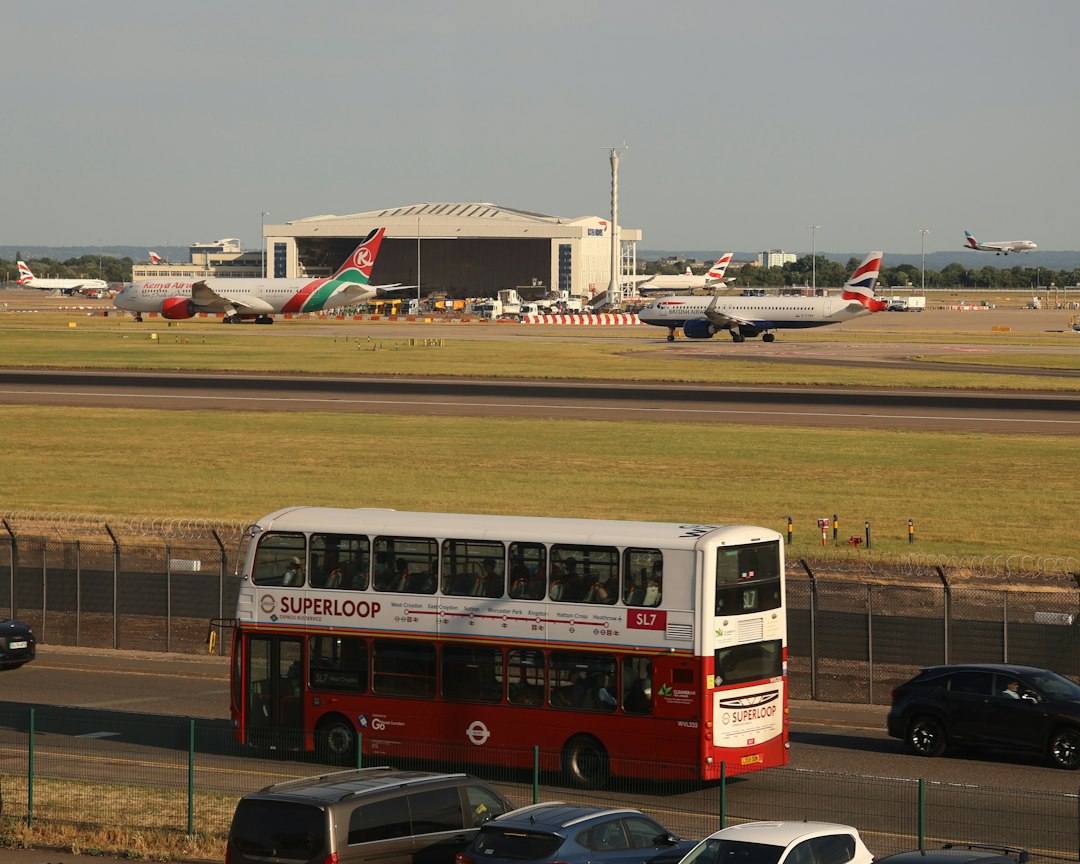
Burnham’s refusal to support the Heathrow runway raises critical questions about the future of aviation policy in the UK. As the government grapples with the economic implications of airport expansion versus environmental concerns, the potential for policy shifts is significant. Burnham’s position may set a precedent for evaluating future transportation projects, especially in urban areas where space and environmental impact are paramount.
Future of Aviation Policy in the UK Burnham’s refusal to support the Heathrow runway raises critical questions about the future of aviation policy in the UK.
The delay in expanding Heathrow could also affect regional connectivity. As air travel demand continues to grow, not accommodating more flights may lead to congestion at other airports, impacting overall travel efficiency and economic activity. Policymakers might need to explore alternative solutions, such as enhancing rail networks or improving regional airports.
Ultimately, the ongoing debate about Heathrow’s third runway will test the balance between economic growth and environmental responsibility. Stakeholders in the aviation sector, including policymakers, environmentalists, and industry leaders, must engage in constructive dialogue to address these complex issues.
As the situation evolves, it will be crucial to observe how Burnham’s stance affects Heathrow’s future and the broader landscape of aviation policy in the UK. Will this decision lead to more sustainable transportation planning, or will economic pressures prevail? The answers will shape the future of aviation and environmental policy for years to come.
Frequently Asked Questions
What are the implications of Heathrow’s runway expansion on aviation jobs?
Expanding Heathrow’s runway could create about 100,000 jobs. However, project delays may hinder job creation in the aviation sector, affecting roles in airport operations and logistics.
Transportation planners must balance economic growth with environmental sustainability, emphasizing the need to incorporate environmental regulations into their assessments and consider alternative solutions for regional connectivity.
How does Burnham’s decision affect environmental assessments for transportation projects?
Burnham’s refusal to support the runway highlights the growing importance of environmental assessments in transportation planning, potentially leading to stricter evaluations of future projects.

What should transportation planners consider in light of the Heathrow runway debate?
Transportation planners must balance economic growth with environmental sustainability, emphasizing the need to incorporate environmental regulations into their assessments and consider alternative solutions for regional connectivity.
Written by Career Ahead AI. AI can make mistakes, so verify key facts. Report errors to support@careeraheadonline.com.