No products in the cart.

Evaluating the Effectiveness of Europe’s Conservation Policies
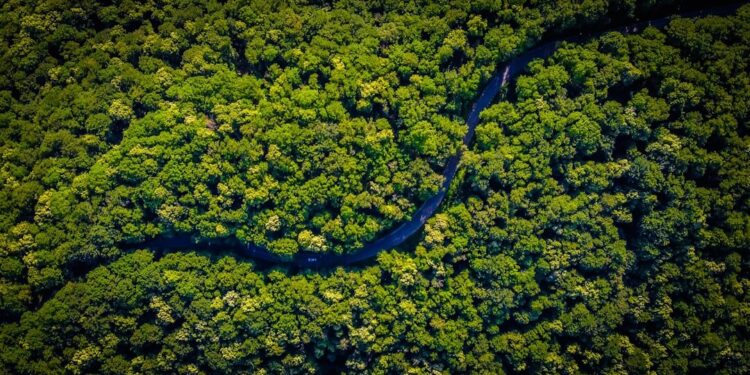
This article explores the effectiveness of Europe’s conservation policies, examining their impact on biodiversity and ecosystem restoration.

Critical Examination of Conservation Policies
Europe has set ambitious conservation targets aimed at protecting biodiversity, with the European Union (EU) aiming to safeguard 30% of its land and sea by 2030. However, achieving these goals raises questions about their effectiveness in fostering real environmental change. Recent discussions highlight a growing concern: are these measures sufficient to restore and protect ecosystems across the continent?
While the EU has met its quantitative targets, the qualitative outcomes remain under scrutiny. Critics argue that merely designating areas as protected does not ensure the restoration of biodiversity. This raises a crucial point: the focus on coverage might overshadow the need for effective management and active restoration efforts.
Translating Goals into Measurable Outcomes
The EU’s conservation strategy is framed around the European Green Deal, which aims to make Europe the first climate-neutral continent. The strategy includes various initiatives, from reforestation to marine protection. However, the real challenge lies in translating these broad goals into actionable outcomes that yield measurable benefits for biodiversity.
Success cannot be solely measured by the area protected. Effective management practices are essential to ensure that these protected areas serve their intended purpose. Without proper oversight and resources, many protected areas may remain under threat from invasive species, climate change, and human activities.
The lack of a cohesive strategy for monitoring and evaluating these policies complicates the assessment of their effectiveness. The EU needs a robust system to track progress and adapt strategies based on empirical evidence and changing environmental conditions.
Effective management practices are essential to ensure that these protected areas serve their intended purpose.
Data Insights and Economic Implications
Data from various studies illustrate the gaps in the EU’s conservation efforts. For instance, a report by the European Commission indicates that while protected areas have increased, biodiversity continues to decline in many regions. This paradox highlights a fundamental issue within the conservation framework: the need for a shift from quantity to quality in conservation efforts.
You may also like
 Entrepreneurship & Business
Kalshi launches perpetual futures tied to US 500 stock index
Kalshi has introduced perpetual futures contracts linked to its US 500 index, allowing traders to hold positions indefinitely without expiration, marking a significant shift in…
Read More →Moreover, the economic implications of these conservation policies cannot be overlooked. Effective conservation can lead to sustainable economic growth through ecotourism and ecosystem services. However, if policies fail to deliver on their promises, public support may wane, jeopardizing future funding and initiatives.
The intersection of policy and business is critical. Companies that align their practices with conservation goals can benefit from enhanced reputations and customer loyalty. Conversely, businesses that neglect environmental responsibilities may face backlash from consumers increasingly concerned about sustainability.

Contradictions in Policy Implementation
Despite the EU’s ambitious targets, significant contradictions exist in the implementation of conservation policies. While the EU promotes biodiversity, some member states continue to prioritize agricultural expansion and urban development over environmental protection. This conflict raises questions about the sincerity of commitment to conservation goals.
Additionally, debates around the effectiveness of the Natura 2000 network, a cornerstone of the EU’s conservation strategy, reveal a divide among stakeholders. Some argue that the network is insufficiently funded and poorly managed, while others believe it is a model for global conservation efforts. This divergence underscores the complexities of balancing economic development with environmental stewardship.
The intersection of policy and business is critical.

Adapting to Future Challenges
The future of Europe’s conservation policies hinges on the ability to adapt and respond to emerging challenges. Climate change poses a significant threat to ecosystems, and the EU must integrate climate resilience into its conservation strategies. This involves not only protecting existing biodiversity but also restoring damaged ecosystems to enhance their resilience.
Increasing public awareness and engagement in conservation efforts can drive positive change. Educational initiatives and community involvement in conservation projects can foster a culture of sustainability. As young people become more vocal about environmental issues, their influence on policy decisions will likely grow.
You may also like
 Entrepreneurship & Business
Entrepreneurship Education Demand Surges Among Parents, Teachers
A survey reveals that over 72% of parents and teachers advocate for entrepreneurship education to begin before teenage years, highlighting a shift in educational priorities.
Read More →Prioritizing collaboration among member states and stakeholders is essential. A unified approach to conservation can enhance effectiveness and ensure that policies are tailored to local contexts. By fostering partnerships between governments, businesses, and communities, the EU can create a more sustainable future for its biodiversity.