The automotive sector is undergoing a major transformation, driven by advancements in AI and electric vehicle technology. Companies are racing to develop autonomous vehicles that can operate safely and efficiently in a variety of environments. Nvidia’s role as a key supplier of computing power and AI technology makes…
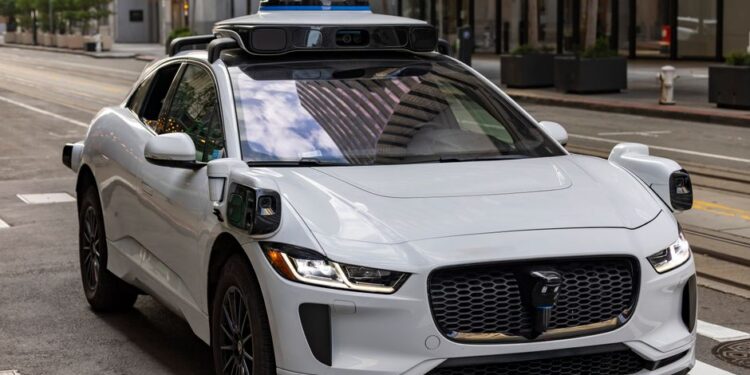
Nvidia’s internal competition for computing resources is impacting its automotive AI initiatives, particularly in the development of electric vehicles (EVs) and vehicle autonomy. Xinzhou Wu, the head of automotive at Nvidia, highlighted these challenges in a recent interview, indicating that even within Nvidia, automotive teams must compete for resources against the booming AI sector. This internal struggle comes at a time when the automotive industry is rapidly evolving, with significant implications for engineers and researchers in the field.
Nvidia’s Role in Automotive Innovation
The automotive sector is undergoing a major transformation, driven by advancements in AI and electric vehicle technology. Companies are racing to develop autonomous vehicles that can operate safely and efficiently in a variety of environments. Nvidia’s role as a key supplier of computing power and AI technology makes it a pivotal player in this transition. Wu emphasized that the competition for resources within Nvidia is not just a matter of internal politics; it directly affects the pace of innovation in automotive technology. As noted by Fortune, the GPU shortage has even impacted Nvidia’s own research teams, highlighting the intense demand for computational resources across all sectors.
Challenges in Vehicle Autonomy Development
Nvidia’s strategy for vehicle autonomy integrates both classical and AI-driven methodologies. Wu noted that the company is working on a hybrid approach that combines traditional systems with advanced AI models capable of reasoning and decision-making. This dual approach aims to enhance the safety and efficiency of autonomous vehicles, which is crucial as manufacturers seek to navigate the complexities of real-world driving scenarios. Despite these advancements, the automotive industry faces significant hurdles. The transition to fully autonomous vehicles remains a challenge, with many companies struggling to solve the final 20% of driving scenarios that require complex decision-making.
Wu pointed out that while progress is being made, the timeline for widespread adoption of fully autonomous vehicles is still uncertain. This uncertainty creates a challenging environment for automotive engineers who must balance innovation with the practical realities of manufacturing and consumer expectations. As reported by Morningstar, Nvidia is actively seeking to bolster its financial resources to support its ambitious AI projects, indicating that the competition for funding and resources is intensifying.
Competitive Landscape and Global Implications
The competitive landscape is further complicated by the emergence of Chinese automotive manufacturers. These companies have gained a significant advantage by building their platforms around electric vehicle architectures from the ground up. They do not face the same legacy challenges as their Western counterparts, allowing them to innovate more rapidly. Wu’s experience in the Chinese automotive sector provides him with unique insights into how these companies are reshaping the global automotive landscape. Their ability to leverage cutting-edge AI technologies without the constraints of traditional automotive engineering practices positions them as formidable competitors in the global market.
However, as competition intensifies, automotive engineers must stay abreast of these developments to leverage Nvidia’s advancements effectively.
Nvidia’s collaboration with major automakers, such as Mercedes, underscores its commitment to advancing vehicle autonomy. The integration of Nvidia’s technology into new EV models showcases the company’s ability to influence the market. However, as competition intensifies, automotive engineers must stay abreast of these developments to leverage Nvidia’s advancements effectively. The partnerships formed with these automakers not only enhance Nvidia’s credibility but also provide a testing ground for its AI technologies, allowing for real-world validation of its systems.
Implications for Automotive Engineers
Nvidia’s internal competition for resources has significant implications for electric vehicle development. As the demand for AI capabilities grows, automotive teams within Nvidia must advocate for their needs against the backdrop of a booming AI sector. This competition can slow down the development of critical technologies needed for EVs, potentially delaying their market readiness. The challenge lies in balancing the immediate needs of the automotive sector with the long-term vision of AI integration across various applications.
Career Ahead’s analysis finds that this internal struggle reflects broader trends in the tech industry, where resource allocation often prioritizes high-demand sectors. As companies like Nvidia expand their AI offerings, automotive engineers may find themselves competing for attention and funding. This dynamic could lead to slower innovation cycles in vehicle technology, impacting the overall pace of EV adoption. The shift towards software-defined vehicles, which allows for more flexible and upgradable systems, is essential for the future of automotive technology, yet it demands substantial resources that may be diverted to more lucrative AI projects.
Future Directions in Automotive AI
Furthermore, the integration of AI into vehicle systems is evolving rapidly, with a focus on creating software-defined vehicles. This shift allows for more flexible and upgradable systems, which is essential for the future of automotive technology. However, the resources required to support this transformation are significant, and the internal competition at Nvidia could hinder progress in this area. As the demand for AI-driven solutions in automotive applications continues to rise, the challenge for Nvidia will be to ensure that its automotive teams receive the necessary support to innovate effectively.
In this context, automotive engineers must be proactive in understanding Nvidia’s technology roadmap and advocating for their needs within their organizations. As the competition for compute resources intensifies, those who can effectively align their projects with Nvidia’s strategic priorities may find themselves better positioned to drive innovation in their own companies. The ongoing competition within Nvidia may lead to shifts in how the company prioritizes its automotive initiatives, which will be crucial for maintaining its competitive edge in the rapidly evolving automotive landscape.
The shift towards software-defined vehicles, which allows for more flexible and upgradable systems, is essential for the future of automotive technology, yet it demands substantial resources that may be diverted to more lucrative AI projects.
China’s role in the automotive AI landscape cannot be overlooked. The country’s automakers have rapidly adopted AI technologies, often outpacing their Western counterparts. This competitive advantage is partly due to their ability to start fresh with electric architectures, free from the burdens of legacy systems. As Nvidia continues to navigate this landscape, its partnerships and strategies will be crucial in determining its influence on global automotive AI development.
Frequently Asked Questions
What are the implications of Nvidia’s AI strategies for automotive engineers?
Career Ahead analysis shows that Nvidia’s internal competition for resources can slow down innovation in automotive technologies. Engineers must be proactive in aligning their projects with Nvidia’s strategic priorities to ensure their needs are met.
How can AI researchers leverage Nvidia’s developments in vehicle autonomy?
Nvidia’s advancements in vehicle autonomy provide AI researchers with valuable insights into integrating classical and AI-driven methods. Researchers can explore how these technologies can enhance safety and efficiency in autonomous vehicles.
What should automotive engineers consider regarding Nvidia’s competition in AI technology?
Automotive engineers should be aware of the internal dynamics at Nvidia, as competition for resources may affect the pace of innovation. Staying informed about Nvidia’s technology roadmap will be crucial for aligning their projects with the company’s strategic focus.



Industry & Global Trends
Industry & Global Trends