No products in the cart.

Explainable AI Reshapes Trust in Hiring

With 71% of firms employing AI in recruitment yet only 22% furnishing decision explanations, the gap fuels distrust among candidates and regulators alike.

Explainable AI is emerging as a pivotal lever for transparency in recruitment, as firms grapple with opaque algorithms that influence hiring outcomes. The technology promises to align AI-driven decisions with fairness expectations, potentially redefining career capital pathways.
AI adoption in talent acquisition has accelerated faster than governance frameworks, creating a structural urgency for transparent decision‑making. As hiring algorithms gain influence over career trajectories, the credibility of institutions hinges on demonstrable fairness. This moment demands a systematic analysis of how explainability can recalibrate power dynamics and sustain economic mobility.
AI adoption creates a systemic transparency deficit
AI-driven hiring now touches the majority of large employers, creating a systemic transparency deficit. With 71% of firms employing AI in recruitment yet only 22% furnishing decision explanations, the gap fuels distrust among candidates and regulators alike. The opaque nature of black‑box models amplifies institutional power, allowing firms to shape labor market outcomes without clear accountability. According to Career Ahead’s analysis of AI adoption data, the prevalence of opaque hiring tools intensifies information asymmetries that undermine merit‑based career advancement. Addressing this deficit requires embedding explainability at the core of recruitment workflows, thereby restoring confidence in the meritocratic promise of the modern job market.
Explainable AI operationalizes transparency through concrete techniques
According to Career Ahead’s analysis of AI adoption data, the prevalence of opaque hiring tools intensifies information asymmetries that undermine merit‑based career advancement.
Explainable AI operationalizes transparency through feature attribution, model interpretability, and standardized metrics. A systematic review by Fabeyo (2025) finds that XAI can increase transparency of hiring decisions by up to 35%, signaling a measurable shift in algorithmic openness. Techniques such as SHAP values and counterfactual explanations surface the factors influencing candidate rankings, allowing recruiters to audit outcomes against bias criteria. Integration is facilitated by APIs and SDKs that plug into existing applicant tracking systems, preserving workflow continuity while exposing decision logic.
These technical levers transform black‑box outputs into actionable insights, enabling organizations to justify selections and candidates to understand assessment criteria, thereby reinforcing trust.Explainable AI can increase transparency of hiring decisions by up to 35%.
Widespread XAI adoption reshapes accountability structures
Candidates and firms reap measurable career capital benefits
Candidates and firms alike reap measurable career capital benefits when hiring decisions are explainable. Explainability equips job seekers with concrete feedback, turning algorithmic rejections into developmental data that can be leveraged for skill upgrades and strategic job searches. For employers, transparent hiring pipelines improve diversity outcomes by exposing hidden biases, thereby expanding the talent pool and enhancing innovation capacity. Career Ahead’s framework for talent pipelines identifies explainability as a lever that reduces asymmetries in information access, accelerating economic mobility for underrepresented groups. As trust in AI-driven selection grows, organizations can expect higher acceptance rates for offers and lower turnover, reinforcing the value of human capital investments.
XAI is poised to become a regulatory baseline within five years
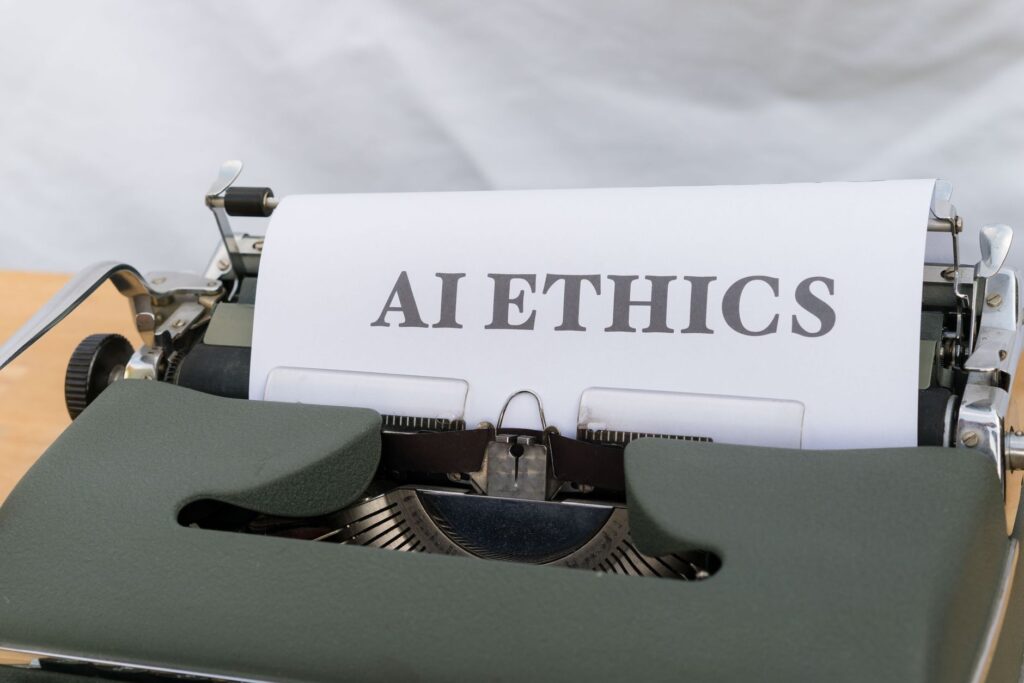
In the next three to five years, XAI is poised to become a regulatory baseline for talent acquisition. Anticipated policy proposals in the EU and United States are likely to mandate disclosure of algorithmic criteria for high‑impact hiring decisions, echoing the broader push for algorithmic accountability. Market forecasts project the global recruitment sector to reach $34.6 billion by 2027, with a sizable share allocated to AI‑enhanced platforms that embed explainability modules. Early adopters will set industry standards, creating a diffusion effect that pressures laggards to upgrade their systems or face competitive disadvantages. This trajectory suggests that explainable AI will transition from a differentiator to a compliance requirement, reshaping the architecture of the job market.
The forward path hinges on aligning technical explainability with institutional incentives, ensuring that transparency translates into sustained trust and equitable career advancement.
The forward path hinges on aligning technical explainability with institutional incentives, ensuring that transparency translates into sustained trust and equitable career advancement.
Key Structural Insights
[Insight 1]: Explainable AI bridges the trust gap in hiring by converting opaque algorithmic outputs into actionable, candidate‑focused feedback, thereby reinforcing merit‑based career capital.
[Insight 2]: Institutional adoption of XAI rebalances power dynamics, compelling firms to align recruitment practices with emerging legal standards and fairness expectations.
[Insight 3]: Over the next five years, XAI is expected to become a regulatory norm, driving a market shift where transparency is a prerequisite for competitive talent acquisition.
[Insight 3]: Over the next five years, XAI is expected to become a regulatory norm, driving a market shift where transparency is a prerequisite for competitive talent acquisition.
Human Bias in AI Systems: The integration of explainable AI in hiring processes can help mitigate human bias by providing transparent and auditable decision-making processes, leading to more equitable and fair hiring practices.
Skills Gap in AI Literacy: As explainable AI becomes more prevalent, there is a growing need for professionals to develop AI literacy skills, including understanding AI decision-making processes, to effectively work alongside and interpret AI-driven hiring tools.
Related Articles
Written by Career Ahead AI. AI can make mistakes, so verify key facts. Report errors to support@careeraheadonline.com.