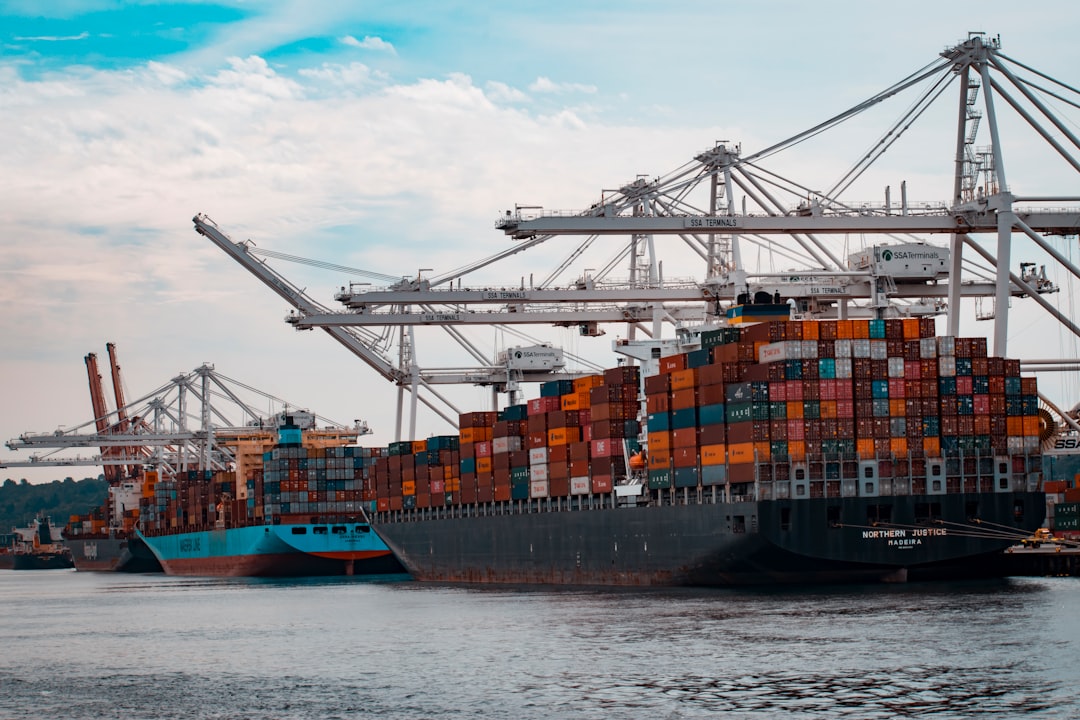
The Indian government has eliminated export duties on petrol, diesel, and aviation turbine fuel, aiming to enhance competitiveness in the global oil market. This policy shift follows a series of reviews to ensure domestic fuel availability amid geopolitical tensions.
The Indian government has announced a significant policy change by eliminating export duties on petrol, setting it to nil, while also reducing the duties on diesel and aviation turbine fuel (ATF) to ₹24 and ₹19.5 per litre, respectively. This decision, made public on August 15, 2026, is aimed at boosting the competitiveness of Indian oil exports in the face of fluctuating global oil prices.
This policy shift follows a series of fortnightly reviews initiated in March 2026, which were designed to ensure domestic fuel availability, particularly in light of recent geopolitical tensions affecting oil supply chains. Previously, the government had increased export duties to manage domestic fuel prices, but the current strategy marks a pivot towards encouraging exports as global markets stabilize. According to a report from The Hindu, this decision is expected to significantly impact the dynamics of the oil market, particularly as India seeks to enhance its position as a key player in the global energy landscape.
Effects on Petroleum Engineers
The reduction of export duties is anticipated to enhance profit margins for petroleum engineers involved in the export of refined products. With the duties set to nil for petrol, engineers can expect improved pricing flexibility in international markets. This shift allows for more competitive pricing against other oil-exporting nations, potentially increasing demand for Indian petrol.
Analysis from industry experts suggests that this duty reduction could lead to a 10-15% increase in profit margins for engineers working in refineries focused on export. With enhanced financial resources, engineers may invest in technology and innovation, leading to improved operational efficiencies and product quality. Furthermore, the elimination of export duties on petrol may prompt refineries to increase production levels to meet anticipated export demand, resulting in higher throughput for engineers and potentially more job opportunities and higher salaries in the sector.
However, the impact is not uniformly positive. Petroleum engineers must navigate the complexities of fluctuating global oil prices, which can affect export pricing. The Congressional Budget Office (CBO) has noted that global oil prices are subject to numerous external factors, including geopolitical tensions and supply chain disruptions, which can create volatility in profit margins. Thus, while the immediate outlook appears beneficial, long-term strategies will need to account for market volatility.
Analysis from industry experts suggests that this duty reduction could lead to a 10-15% increase in profit margins for engineers working in refineries focused on export.
Logistics managers in the oil industry are likely to face significant changes due to the recent export duty reductions. The lowered costs for exporting petrol and diesel will necessitate a reevaluation of logistics operations to maximize efficiency and cost-effectiveness. Managers will need to assess their supply chain strategies to align with the new pricing structures.
With the potential for increased export volumes, logistics managers will encounter the challenge of scaling operations. This may involve optimizing transportation routes, negotiating better terms with shipping partners, and potentially expanding warehousing capabilities to accommodate higher stock levels. Research indicates that firms may need to invest in advanced logistics technologies, such as real-time tracking systems, to enhance operational efficiency. The White House has emphasized the importance of logistics in maintaining competitive advantage in the energy sector, suggesting that companies that adapt quickly to these changes will be better positioned to thrive.
Additionally, the reduction in export duties could lead to a shift in logistics costs. Managers might find that they can negotiate better rates with carriers due to increased competition among logistics providers seeking to handle higher volumes. This competitive landscape could benefit logistics managers, allowing them to secure more favorable terms and ultimately lower costs. However, the increased export activity may also introduce new challenges, such as managing regulatory compliance in different markets. Logistics managers will need to stay informed about international trade regulations to avoid potential penalties and ensure smooth operations.
As market dynamics shift, logistics managers will also need to consider the environmental implications of increased transportation activities. The push for sustainability in logistics operations is becoming more pronounced, and managers may need to explore greener alternatives in their supply chains to align with global trends and regulatory expectations.
Implications for Export Specialists
Export specialists in the energy sector must also adapt to the new landscape created by the duty reductions. With the competitive pricing resulting from the elimination of export duties, these professionals should focus on building relationships with overseas buyers and exploring new markets. Diversifying export destinations may help spread risk and capitalize on the favorable pricing environment.
Project Jagrook aims to combat the influence of anonymous financial advisors and so-called "finfluencers," who often provide misleading advice to unsuspecting retail investors.
In summary, the recent changes in export duties represent a significant shift in the landscape for petroleum engineers, logistics managers, and export specialists. Each group must navigate both the opportunities and challenges presented by this new environment, adapting their strategies accordingly. The implications of these duty reductions will unfold in the coming months as the global oil market continues to evolve. Stakeholders must remain agile to capitalize on new opportunities while mitigating risks associated with fluctuating prices and international competition.
With the competitive pricing resulting from the elimination of export duties, these professionals should focus on building relationships with overseas buyers and exploring new markets.
Frequently Asked Questions
How will the duty reduction impact export pricing for petroleum engineers?
The reduction of export duties on petrol to nil is expected to enhance profit margins and pricing flexibility for petroleum engineers. This change may lead to increased demand for Indian petrol in international markets.
What logistics adjustments should logistics managers in the oil industry consider?
Logistics managers should reevaluate their supply chain strategies to maximize efficiency and cost-effectiveness in light of increased export volumes. This may involve optimizing transportation routes and investing in logistics technologies.
What strategies should export specialists in the energy sector adopt in response to the duty changes?
Export specialists should focus on building relationships with overseas buyers and exploring new markets to capitalize on the competitive pricing resulting from the duty reductions. Diversifying export destinations may also help spread risk.



Government & Policy
 Government & Policy