No products in the cart.

Fake Certificates Rise: Threats to Students and Employers | Career Outlook
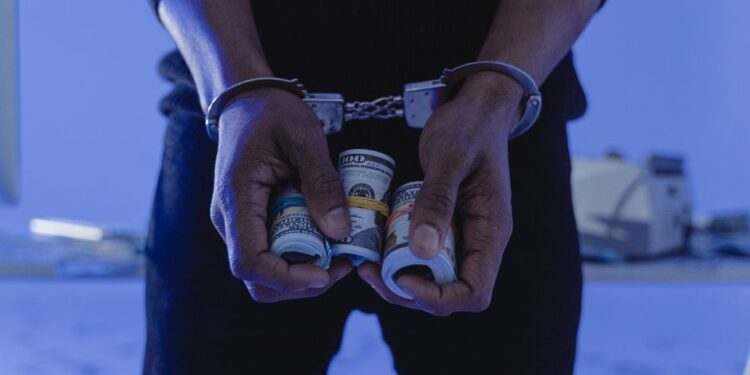
Three individuals were arrested in Delhi for running a fake educational certificate racket, highlighting a growing issue of educational fraud in India that affects students and employers alike.

Delhi, India — Three individuals were arrested by the Delhi Police on July 17, 2026, for allegedly running a fake educational certificate racket. The suspects, identified as Navneet Tyagi, Sabab Alam, and Fareed Ahmad Saifi, were found preparing and supplying forged class 10 and class 12 mark sheets. This operation reportedly involved charging between Rs 5,000 and Rs 10,000 for each forged document.
The police investigation began following a tip-off received on June 30, leading to a decoy operation that confirmed the production of fake certificates. The raid took place near Miraz Cinema in Shahdara, where police seized two fake mark sheets along with equipment used for the forgery. The arrests highlight a significant issue concerning the authenticity of educational credentials in Delhi.
Rising Concerns Over Educational Fraud
The arrests have sparked widespread concern regarding the integrity of educational qualifications in India. According to the police, the racket operated by misusing the expired registration of an educational institution, Gramin Mukt Vidyalaya Shiksha Sansthan, to issue backdated certificates. This fraudulent activity misled both candidates and authorities, undermining trust in the education system. The Economic Times reported that the suspects were able to exploit loopholes in the educational verification process, which has raised alarms among educational institutions and employers alike.
Career Ahead’s analysis indicates that this incident reflects a broader trend of educational fraud in India, where the demand for legitimate qualifications often leads individuals to seek shortcuts. The rise of online platforms has made it easier for fraudsters to advertise their services, creating a challenging environment for both employers and educational institutions. The situation is exacerbated by the fact that many students, under pressure to secure jobs, may unknowingly engage with these fraudulent services, believing they are obtaining legitimate qualifications.
Employers in India are particularly affected, as they face increased scrutiny over the authenticity of candidates’ credentials. The need for robust verification processes is now more pressing than ever. As the job market becomes increasingly competitive, employers must ensure that they are hiring individuals with genuine qualifications. The Hindustan Times noted that this incident could lead to a reevaluation of hiring practices, pushing companies to adopt more stringent measures to verify educational backgrounds.
Career Ahead’s analysis indicates that this incident reflects a broader trend of educational fraud in India, where the demand for legitimate qualifications often leads individuals to seek shortcuts.
You may also like
 Education & University Insights
Why Around 94,000 Govt Schools Closed In A Decade
India has witnessed a significant decline in government schools, with approximately 94,000 closures over the past decade, raising concerns about educational access and equity.
Read More →Furthermore, students may find their job prospects impacted by the actions of a few. Those who have obtained legitimate degrees may face skepticism from potential employers, leading to a more challenging job search environment. The fear of encountering fake credentials can deter employers from hiring fresh graduates, further complicating the employment landscape. This skepticism could also lead to a decline in the overall trust in educational institutions, as employers may begin to question the validity of degrees from various colleges and universities.
As investigations continue, it is essential for educational institutions to implement stricter verification measures. This incident serves as a wake-up call for both institutions and employers to prioritize the authenticity of educational credentials. The police have indicated that further investigations may uncover additional individuals involved in this racket, suggesting that the problem of educational fraud is more widespread than previously thought.
Implications for Students and Employers
For students in India, the repercussions of this racket could be significant. Many may find that their educational achievements are questioned, leading to doubts about their qualifications. This situation could hinder their ability to secure employment, as employers may become more cautious in their hiring processes. The ripple effects of this fraud could deter students from pursuing further education or seeking jobs in competitive fields, ultimately impacting their career trajectories.
Career Ahead research identifies that the need for verification is likely to lead to policy changes in how educational credentials are assessed. Institutions may adopt more rigorous methods to confirm the authenticity of certificates, which could include direct communication with educational bodies or the implementation of blockchain technology for credential verification. This technological shift could streamline the verification process, making it more difficult for fraudulent certificates to circulate.
Employers, on the other hand, will need to adapt to these changing verification processes. As the demand for skilled workers continues to rise, ensuring that candidates possess legitimate qualifications will be crucial. The cost of hiring unqualified individuals can be detrimental to organizations, leading to increased training costs and potential reputational damage. Companies may also need to invest in training their HR teams to recognize signs of fraudulent documentation, further complicating the hiring process.
Career Ahead research identifies that the need for verification is likely to lead to policy changes in how educational credentials are assessed.
Moreover, the rise of technology in the hiring process presents both challenges and opportunities. Companies may invest in advanced verification tools that can quickly assess the validity of educational credentials. This investment not only protects the organization but also enhances the overall quality of the workforce. As employers become more proactive in their verification efforts, it could lead to a more transparent job market, benefiting both employers and job seekers.
You may also like
 Education & University Insights
UGC Unveils Unified Portal for Higher Education Recognition
The University Grants Commission (UGC) has launched a unified online portal aimed at simplifying the recognition process for higher education institutions in India, enhancing transparency…
Read More →In light of these developments, it is essential for both students and employers to remain vigilant. Understanding the verification landscape will be crucial in navigating the complexities of the job market in the coming years. The Delhi Police’s actions serve as a reminder of the ongoing battle against educational fraud, and the need for a collective effort to uphold the integrity of educational qualifications.
The question remains: how will educational institutions and employers adapt to these changes in the verification landscape? The coming months will reveal the extent to which this incident influences policy and practice in India and beyond.
Frequently Asked Questions
How can educational institutions prevent certificate fraud?
Educational institutions can prevent certificate fraud by implementing strict verification processes, including direct communication with educational bodies and utilizing advanced technologies for credential validation.
Students can ensure their credentials are recognized by obtaining degrees from reputable institutions, keeping records of their academic achievements, and being aware of the verification processes used by potential employers.
What should employers do if they suspect a candidate has a fake certificate?
If employers suspect a candidate has a fake certificate, they should conduct thorough background checks, including contacting the issuing institution to verify the authenticity of the credentials.

What steps can students take to ensure their credentials are recognized?
Students can ensure their credentials are recognized by obtaining degrees from reputable institutions, keeping records of their academic achievements, and being aware of the verification processes used by potential employers.
You may also like
 Education & University Insights
UGC Cracks Down on EdTech Partnerships Amid Fake University Concerns
The UGC's recent crackdown on EdTech-university partnerships raises significant concerns for higher education institutions. This action highlights the risks associated with unrecognized collaborations and the…
Read More →