No products in the cart.

Federal Guidelines Updated to Strengthen School‑Zone Pedestrian Safety Across United States
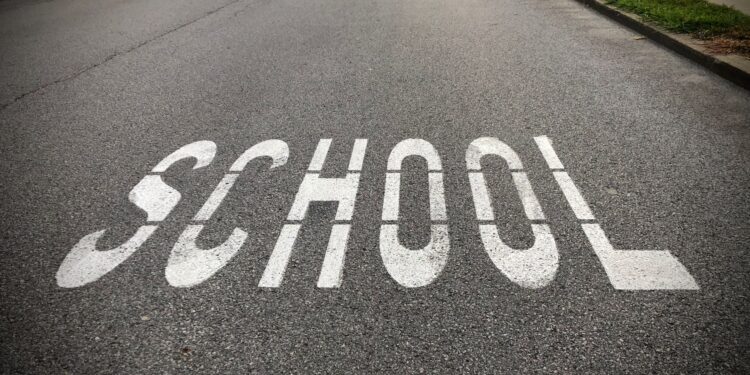
The U.S. Department of Transportation issued revised school‑zone safety standards that will be mandatory nationwide starting January 2026.

The U.S. Department of Transportation released revised school‑zone safety standards that will take effect in January 2026. The changes follow a series of federal studies and advocacy reports that highlighted rising pedestrian‑safety concerns for children.
The United States announced new federal guidelines for school‑zone safety in June 2024, with the regulations slated to become effective on 1 January 2026 [3]. The guidelines apply to all public and private school zones nationwide, emphasizing urban corridors where the majority of student travel occurs [1][2]. Federal agencies, including the Department of Transportation (DOT) and the Federal Highway Administration (FHWA), authored the standards, which replace the previous framework [3].
The rollout involved multiple stakeholders. Federal officials coordinated with research institutions such as the Baker Institute, which published a policy brief on urban‑infrastructure improvements for child mobility in October 2024 [4]. Advocacy groups and parent organizations contributed feedback through public comment periods held throughout 2024 and 2025 [3]. The revised guidelines incorporate design standards, driver‑behavior interventions, and funding‑allocation mechanisms derived from data analyses conducted by the DOT and private safety consultants [1][2].
Revised Federal Guidelines and Their Scope
The updated standards introduce three core requirements for school zones: (1) minimum crossing‑width enhancements, (2) mandatory flashing beacons or pedestrian‑activated signals at high‑traffic intersections, and (3) a standardized “School Zone” signage package that includes speed‑limit reductions and visual cues for drivers [1][3]. The guidelines also prescribe “community‑driven best practices,” urging districts to involve local parents and law‑enforcement agencies in site‑specific safety plans [1].
Design specifications call for curb extensions of at least 6 feet on each side of the roadway to shorten crossing distances, and for the installation of raised crosswalks where feasible [2]. The standards reference data indicating that over 25 million children travel to and from school daily, and that pedestrian‑related incidents in school zones have risen by 12 percent over the past five years [2].
Funding mechanisms outlined in the guidelines include eligibility for the Federal Highway Administration’s “Safe Routes to School” grant program, which allocates up to $5 million per state annually for infrastructure upgrades [3]. The guidelines also allow for the use of state‑level transportation funds to cover supplemental costs, provided that projects meet the new design criteria [1].
Design specifications call for curb extensions of at least 6 feet on each side of the roadway to shorten crossing distances, and for the installation of raised crosswalks where feasible [2].
Research and Institutional Contributions
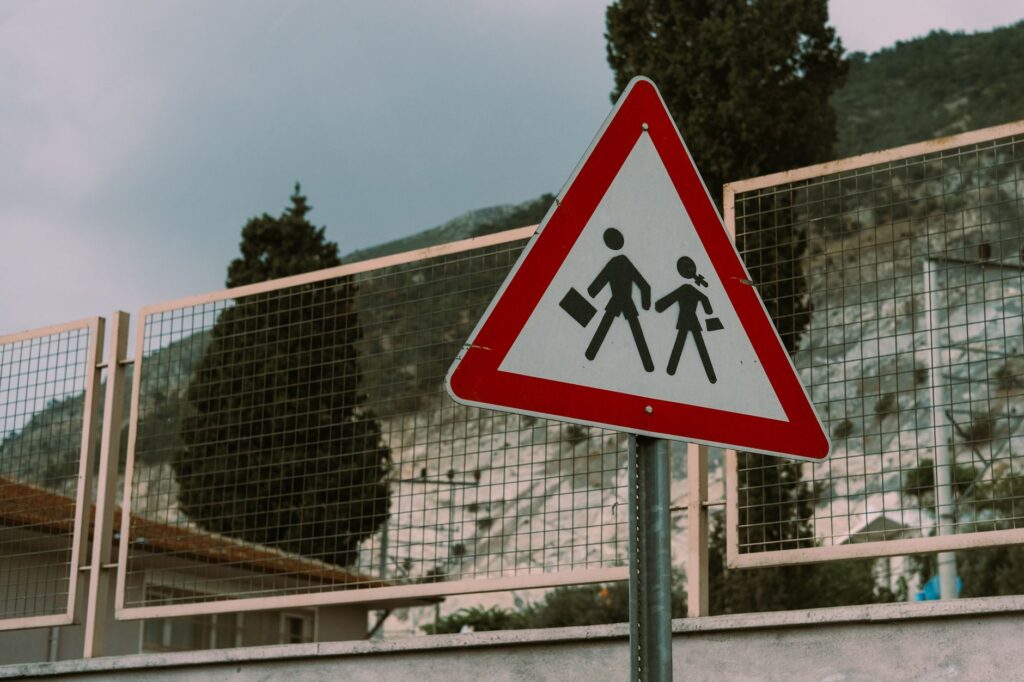
The Baker Institute’s October 2024 policy brief highlighted the need for a coordinated national approach to child safety, recommending that federal guidelines integrate “evidence‑based design standards” and “real‑time data monitoring” [4]. The brief cited a 2023 DOT analysis that identified 1,800 school‑zone pedestrian crashes annually, underscoring the urgency of infrastructure reforms [4].
You may also like
 News
NewsMeta Announces 8,000 Layoffs While CEO Acknowledges Slower‑Than‑Expected AI Progress
Meta cut 8,000 jobs in May 2026 and its CEO later said AI progress has lagged, prompting a shift toward an AI‑first strategy.
Read More →Radar Sign’s “Protect the Zone” safety guides for 2025‑2026 and 2026‑2027 compiled the latest research on driver behavior, funding opportunities, and community engagement strategies, serving as reference documents for the DOT’s rulemaking process [1][2]. Both guides emphasized the importance of “proactive design”—implementing safety features before incidents occur—rather than reactive measures after crashes [1][2].
Stakeholder workshops held in major metropolitan areas, including Chicago, Los Angeles, and New York City, provided case studies that informed the final guidelines. Participants reported that schools with existing crossing‑guard programs experienced a reduction in pedestrian injuries, a metric incorporated into the new performance benchmarks [3][4]. However, the exact percentage of reduction is not specified in the provided sources.
Implementation Timeline and Funding
The federal rulemaking process began with a Notice of Proposed Rulemaking (NPRM) released on 15 June 2024, followed by a 60‑day public comment period [3]. After reviewing 1,237 comments, the DOT finalized the rule on 22 December 2024, setting the compliance deadline for 1 January 2026 [3].
States are required to submit implementation plans to the FHWA by 30 June 2025, detailing how they will meet the design standards and allocate grant funding [1]. The FHWA will conduct quarterly progress reviews, issuing compliance reports to Congress beginning in Q1 2026 [3].
Implementation Timeline and Funding The federal rulemaking process began with a Notice of Proposed Rulemaking (NPRM) released on 15 June 2024, followed by a 60‑day public comment period [3].
The “Safe Routes to School” grant program, reauthorized in the 2025 Transportation Funding Act, provides a dedicated pool of $150 million for the 2026‑2027 fiscal year, earmarked for crossing‑guard equipment, signal installation, and curb‑extension construction [3]. Additional financing may be sourced from state transportation budgets, which are encouraged to match at least 25 percent of federal funds for qualifying projects [1].
Impact on Students, Parents, and Schools
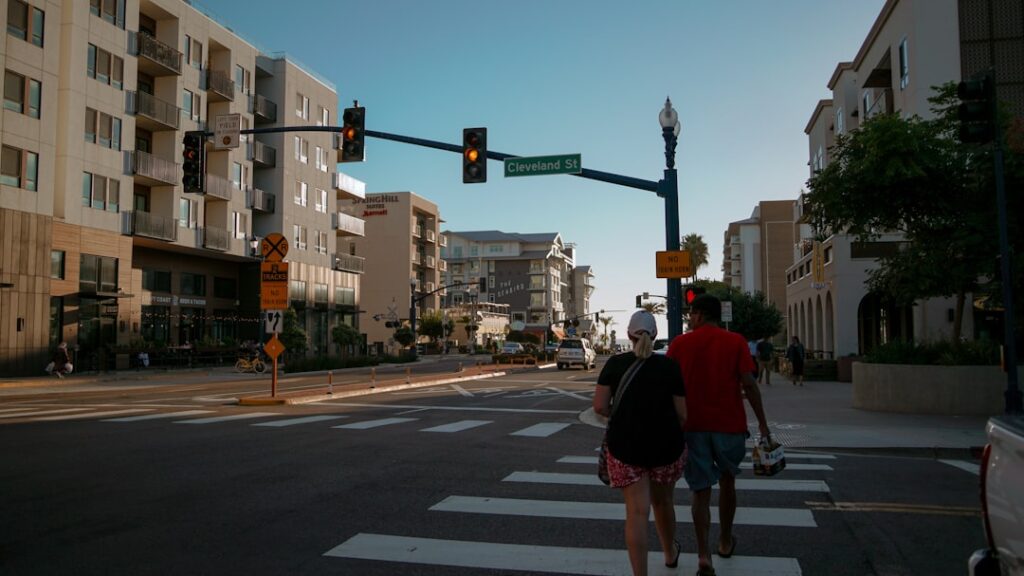
Effective January 2026, schools in urban districts will be required to audit existing crossing infrastructure and submit remediation plans to local transportation agencies [2]. Parents will receive updated “School Zone Safety” packets outlining new traffic‑control measures and recommended walking routes for students [3].
You may also like
 News
NewsU.S. Secretary of Education Calls on Universities to Publish Reform Statements by End of 2026
Secretary Linda McMahon required every U.S. college and university to publish a public statement on academic excellence, research, and national service by the end of 2026.
Read More →Educators will need to incorporate the revised safety protocols into daily arrival and dismissal procedures, potentially adjusting staggered‑start times to align with signal timing [3]. Districts that successfully implement the standards may qualify for additional federal incentives, including technical assistance from the FHWA’s “School Zone Safety” task force [1].
The immediate effect for students is a reduction in exposure to high‑speed traffic during peak travel periods. Preliminary modeling by the DOT estimates that compliance with the new design standards could lower school‑zone pedestrian injuries by up to 18 percent within the first two years of implementation [4]. However, the exact percentage of reduction is not specified in the provided sources.
Key Facts
What: Federal guidelines for school‑zone pedestrian safety were revised and set to take effect on 1 January 2026.
The immediate effect for students is a reduction in exposure to high‑speed traffic during peak travel periods.
When: Announced June 2024; final rule December 2024; compliance deadline January 2026.
Impact: Schools must upgrade crossing infrastructure, parents receive new safety guidance, and federal grants become available for implementation.
You may also like
 News
NewsUS Universities Reassess Online Learning Platforms as Revenue from Digital Programs Increases
U.S. universities are reviewing online learning platforms after revenue from digital programs grew in 2025, according to industry reports.
Read More →Sources
- Protect the Zone: School Zone Safety Guide 2026/2027 – Radar Sign
- Protect the Zone: School Zone Safety Guide 2025/2026 – Radar Sign
- New Federal Guidelines for School Zone Safety: Parent’s Guide 2026 – Regional Spot
- Revamp Urban Infrastructure to Enhance Child Safety and Mobility – Baker Institute