No products in the cart.

Flexible Workspaces: A New Era of Employee Engagement
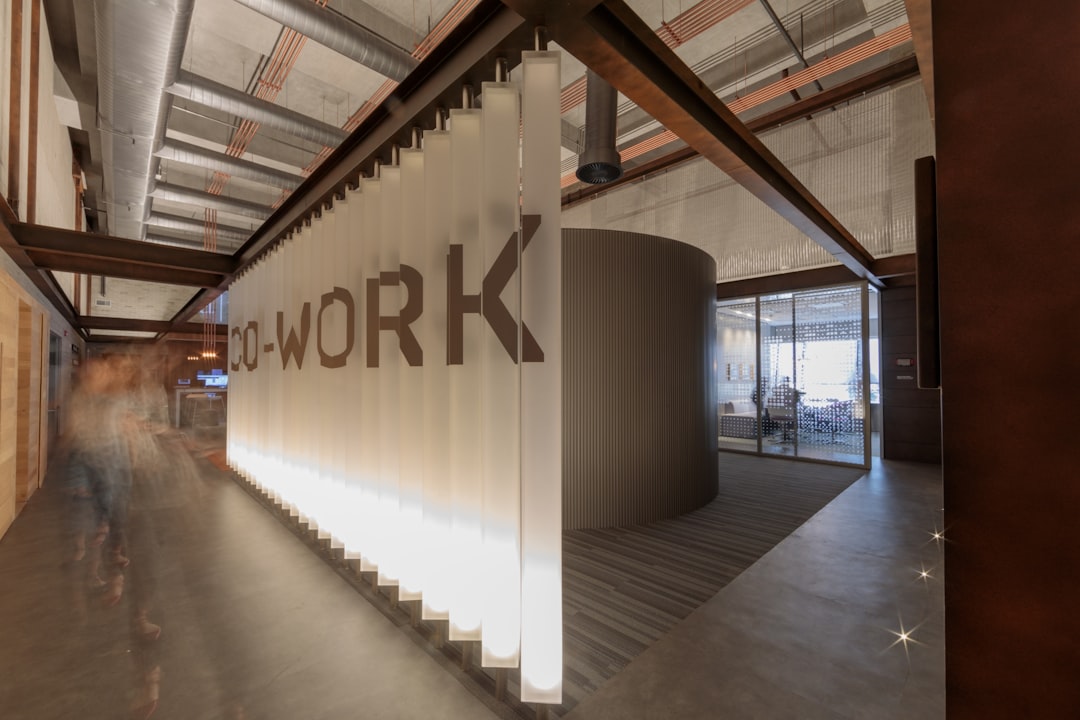
Flexible workspaces are reshaping employee engagement, fostering collaboration and innovation. Learn how these environments can transform workplaces.

San Francisco, USA — In recent years, the rise of flexible workspaces has transformed the traditional office environment. As companies adapt to changing work cultures, the question emerges: do these flexible spaces actually boost employee engagement? A recent study by Stanford University suggests a strong correlation between flexible work environments and increased productivity, indicating that businesses may benefit from reevaluating their workspace strategies.
Flexible workspaces, characterized by open layouts, shared desks, and collaborative areas, have gained popularity as more organizations embrace hybrid work models. According to a 2023 report by the Global Workplace Analytics, 30% of the U.S. workforce is expected to be remote by 2025. This shift has prompted companies to rethink how they design their work environments, prioritizing adaptability and employee well-being.

The significance of this trend is apparent. As businesses face challenges related to employee retention and morale, creating an engaging workspace can be a strategic advantage. Studies show that companies with high employee engagement levels outperform their peers by 147% in earnings per share, according to Gallup’s 2022 report.
 Career Trends
Evaluating the Value of US Universities in Today’s Job Market
The value of US universities is under scrutiny as job market trends shift. Explore the ROI and implications for future…
Read More →Flexible workspaces are not merely a trend; they represent a fundamental shift in how organizations approach productivity and collaboration. By allowing employees to choose their work environment, companies can foster a culture of trust and autonomy. According to a survey conducted by Buffer in 2023, 98% of remote workers expressed a desire to work remotely at least part of the time for the rest of their careers. This desire for flexibility is reshaping employer-employee relationships.
As businesses face challenges related to employee retention and morale, creating an engaging workspace can be a strategic advantage.
However, the effectiveness of flexible workspaces varies. Critics argue that open office designs can lead to distractions and decreased focus. The Harvard Business Review points out that noise and lack of privacy in such environments can hinder productivity. Employers must strike a balance between flexibility and the need for quiet spaces where employees can concentrate.
Moreover, the impact of flexible workspaces extends beyond mere productivity metrics. A survey by the Society for Human Resource Management (SHRM) in 2023 revealed that 70% of employees believe that a well-designed workspace enhances their creativity. Spaces that encourage collaboration and brainstorming can lead to innovative solutions and improved team dynamics.
As companies invest in flexible workspaces, it is essential to consider employee feedback. Organizations like Google and Microsoft have implemented regular surveys to gather insights on workspace effectiveness. This data-driven approach enables them to adapt their environments based on employee preferences, ensuring that workspaces align with the evolving needs of their workforce.
 Career Challenges
The Dangers of Task-Masking in the Workplace
Task-masking is compromising genuine productivity. Discover actionable tips to foster a healthier workplace culture.
Read More →Looking ahead, the trend towards flexible workspaces will likely continue to evolve. As remote work becomes more entrenched in corporate culture, businesses will need to rethink their real estate strategies. According to a report by JLL, companies that prioritize flexible workspaces will have a competitive edge in attracting and retaining talent.
Another critical factor influencing the future of workspaces is technology. The integration of smart technologies into office designs can enhance the flexibility and functionality of workspaces. For instance, companies are increasingly adopting IoT solutions to monitor workspace utilization, enabling them to make data-driven decisions on space allocation.
As remote work becomes more entrenched in corporate culture, businesses will need to rethink their real estate strategies.
Ultimately, the success of flexible workspaces hinges on the ability of organizations to foster a culture of adaptability. As the workforce continues to evolve, businesses must remain attuned to the changing dynamics of employee preferences. By creating environments that prioritize flexibility while also addressing concerns related to distraction and privacy, companies can cultivate a more engaged and productive workforce.
 News
NewsIITs, IIMs to Add Humanities to Curriculum
Career Ahead IITs and IIMs have, in a way, always overlooked Humanities and the Social Sciences. Their focus was on…
Read More →As we move into 2026, organizations that embrace the future of flexible workspaces stand to gain substantial benefits. The challenge will be in ensuring that these spaces do not merely serve as trendy backdrops but as true catalysts for collaboration and innovation. The question remains: can businesses strike the right balance to support their teams effectively?