No products in the cart.

Evaluating the Value of US Universities in Today’s Job Market
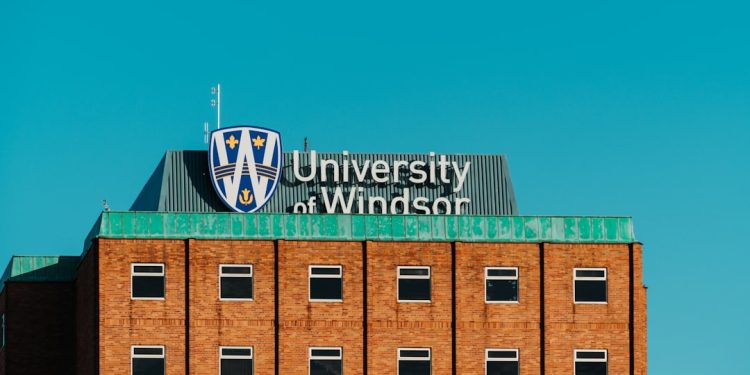
The value of US universities is under scrutiny as job market trends shift. Explore the ROI and implications for future students.

Boston, Massachusetts — The debate surrounding the return on investment (ROI) of U.S. universities has intensified, with increasing skepticism about their value in today’s job market. Rising tuition costs, coupled with a competitive job landscape, have prompted many to question whether a college degree is still worth the financial burden. As of 2023, the average student debt in the U.S. reached approximately $30,000, creating a pressing concern for graduates entering a volatile economy.
In a recent analysis, data revealed that nearly 40% of recent graduates are employed in jobs that do not require a degree. This statistic raises critical questions about the alignment between higher education and the evolving needs of the workforce. The 2024 World Economic Forum report highlighted a significant shift in hiring practices, with employers increasingly valuing skills and experience over formal education. This trend indicates a potential disconnect between what universities offer and what employers demand.

Despite these challenges, universities in the U.S. continue to adapt. Many institutions are re-evaluating their curricula, incorporating experiential learning opportunities, and fostering partnerships with industries to ensure graduates are work-ready. For instance, schools like Stanford University and the University of California, Berkeley, are emphasizing entrepreneurship and innovation, equipping students with practical skills that are highly demanded in the job market.
However, the question remains: Are these changes enough to justify the rising costs of education? According to a 2023 report by the Georgetown University Center on Education and the Workforce, the earnings gap between college graduates and those without degrees is still significant, with the former earning approximately $1 million more over a lifetime. Yet, the disparity varies widely across different fields. For example, graduates in STEM fields tend to see a higher ROI compared to those in the humanities, where job prospects and salaries are often lower.
Many institutions are re-evaluating their curricula, incorporating experiential learning opportunities, and fostering partnerships with industries to ensure graduates are work-ready.
Moreover, the labor market itself is undergoing a transformation. The gig economy is expanding, with platforms like Uber and Fiverr providing alternative pathways for employment that often do not require a degree. This shift poses a challenge to traditional universities, which have historically been the gatekeepers of career advancement. As of 2023, approximately 36% of American workers are engaged in gig work, a number projected to rise in the coming years as remote work becomes increasingly normalized.
You may also like
 Education & University Insights
NYC Leaders Push for School Integration Amid Segregation
New York City's school system remains one of the most segregated in the U.S. City leaders are now pushing for integration, but advocates emphasize the…
Read More →Another factor influencing the ROI of higher education is the rise of online learning platforms. Companies such as Coursera and edX are offering courses from prestigious institutions at a fraction of the cost. In 2023, over 60 million Americans enrolled in online courses, indicating a growing preference for flexible learning options that can lead directly to employment. This trend underscores a shift toward skills-based education, where learners prioritize specific competencies over traditional degree programs.
Despite the evolving landscape, many universities are resistant to change. Some institutions cling to outdated models of education, failing to adequately prepare students for the realities of the modern workforce. The National Center for Education Statistics reported that nearly one-third of college graduates are underemployed, working in jobs that do not require their degree. This situation highlights the urgent need for universities to align their programs with current market demands.
Prospective students are increasingly weighing their options carefully. Many are opting for community colleges and vocational schools, which often provide more affordable and targeted training programs. In 2023, enrollment in community colleges rose by 12%, reflecting a shift in priorities as students seek practical skills that lead to immediate employment.
Furthermore, employers are beginning to re-evaluate their degree requirements. Companies like Google and Apple have implemented programs that prioritize skills and experience over formal education. This shift has led to a growing acceptance of alternative qualifications, such as coding boot camps and professional certifications, which can provide a quicker and more cost-effective route to employment.
Some institutions cling to outdated models of education, failing to adequately prepare students for the realities of the modern workforce.
As the landscape of higher education continues to evolve, it is clear that prospective students must conduct thorough research before making their decisions. Understanding the job market, potential earnings, and the relevance of specific degrees will be crucial in determining the value of a college education. The emphasis on lifelong learning and adaptability is more important than ever. Students who are proactive in developing their skills, whether through traditional degrees or alternative pathways, will likely navigate this shifting terrain more successfully.
The future of higher education in the U.S. lies in its ability to adapt to the changing needs of the workforce. Institutions that embrace innovation and focus on practical skill development will not only enhance their value but also better prepare students for a dynamic job market. As we move forward, the integration of education and employment will become increasingly paramount, shaping the careers of the next generation.
You may also like
 Career Guidance
SBI PO Mains Result Timeline and Prep Insights
The SBI PO Mains Result 2026 is anticipated in September or October 2026. Candidates should prepare for the next selection phases while awaiting results.
Read More →