No products in the cart.

FMCG companies bracing for another round of price increases amid inflation
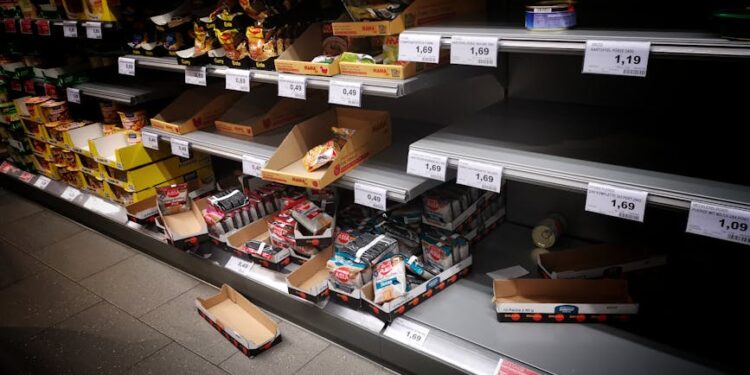
FMCG companies in India are preparing for further price hikes as inflation continues to rise. Executives from major firms indicate that previous increases of 3% to 5% are insufficient to cover escalating costs driven by volatile crude oil prices, higher logistics expenses, and currency depreciation.

FMCG companies in India are preparing for further price hikes as inflation continues to rise. Executives from major firms indicate that previous increases of 3% to 5% are insufficient to cover escalating costs driven by volatile crude oil prices, higher logistics expenses, and currency depreciation.
Dabur India, a key player in the FMCG sector, has already implemented a 4% price increase across its product lines. CEO Mohit Malhotra stated that the company is facing about 10% inflation this fiscal year. He emphasized that despite these challenges, Dabur expects to achieve double-digit growth, partly through price increases and volume growth.
Rising Costs in Raw Materials and Logistics
The FMCG sector is particularly sensitive to inflation due to its reliance on raw materials and packaging. Britannia’s managing director, Rakshit Hargave, noted a nearly 20% increase in fuel and packaging costs, prompting the company to consider both price increases and adjustments in product sizes to maintain sales volumes. Britannia is known for popular brands like Good Day and Milk Bikis, which could see price hikes soon.
According to a report from moneycontrol.com, the FMCG landscape is changing rapidly as companies adapt to inflation pressures. Rising costs of raw materials and logistics are forcing firms to rethink their pricing strategies, affecting a wide range of products, including soaps, detergents, and packaged foods.
Consumer Spending and Market Adjustments
As FMCG companies prepare for these price hikes, consumers will likely feel the impact in their wallets. Essential items such as biscuits, beverages, and personal care products are expected to become more expensive. This trend raises questions about consumer spending habits and how families will adjust their budgets in response to rising prices.
Essential items such as biscuits, beverages, and personal care products are expected to become more expensive.
Industry experts suggest that consumers may shift towards smaller pack sizes to mitigate costs. This strategy could help maintain sales volumes while allowing companies to keep prices manageable. However, this also means that consumers will receive less product for the same price, effectively increasing their spending.
You may also like
 Industry & Global Trends
AI-Driven Demand Fuels Surge
The surge in U.S. imports driven by AI technology is reshaping global trade dynamics, leading to significant changes in logistics and supply chain management as…
Read More →Hindustan Unilever (HUL), another major player, reported an 8% to 10% increase in material costs this year. CFO Niranjan Gupta mentioned that HUL has already taken price hikes of 2% to 5% across its portfolio. The company is closely monitoring commodity prices and will continue to adjust prices as necessary to manage costs.

Global Events and Supply Chain Challenges
Geopolitical tensions and disruptions in global supply chains are exacerbating the inflationary pressures faced by FMCG companies. Ongoing conflicts and trade disputes have led to increased costs for raw materials and transportation. For instance, rising crude oil prices directly impact logistics costs, which in turn affect the pricing of consumer goods.
Varun Beverages, which operates in the packaged water and beverage segment, has already started reducing discounts to cope with rising costs. Chairperson Ravi Jaipuria noted that while prices have not yet increased, further adjustments may be necessary if fuel prices continue to climb. This highlights the interconnectedness of global events and local market dynamics.
As Economictimes reports, companies are also focusing on improving internal efficiencies to offset rising costs. This includes trimming discounts and promotions, tightening inventory management, and streamlining supply chains. These measures are crucial for maintaining profitability while navigating the challenging economic landscape.
This includes trimming discounts and promotions, tightening inventory management, and streamlining supply chains.
Future Challenges for the FMCG Sector
The outlook for the FMCG sector remains uncertain as companies brace for further price increases. With inflation showing no signs of abating, firms must adapt quickly to changing market conditions. Nestle India’s chairman, Manish Tiwary, noted that the current environment is volatile, making it difficult to predict future pricing trends.
Analysts suggest that the FMCG sector may face a prolonged period of inflation, leading to sustained price increases across various product categories. This could reshape consumer behavior, prompting a shift towards value-oriented products as shoppers seek to maximize their purchasing power.
You may also like
 Industry & Global Trends
ESG disclosures reshape corporate reputation worldwide
A measurable share of S&P 500 firms have already rebranded or removed ESG terminology, signaling a decisive pivot in how reputation is built.
Read More →
Sources: Moneycontrol, Economictimes, Iposcanner.