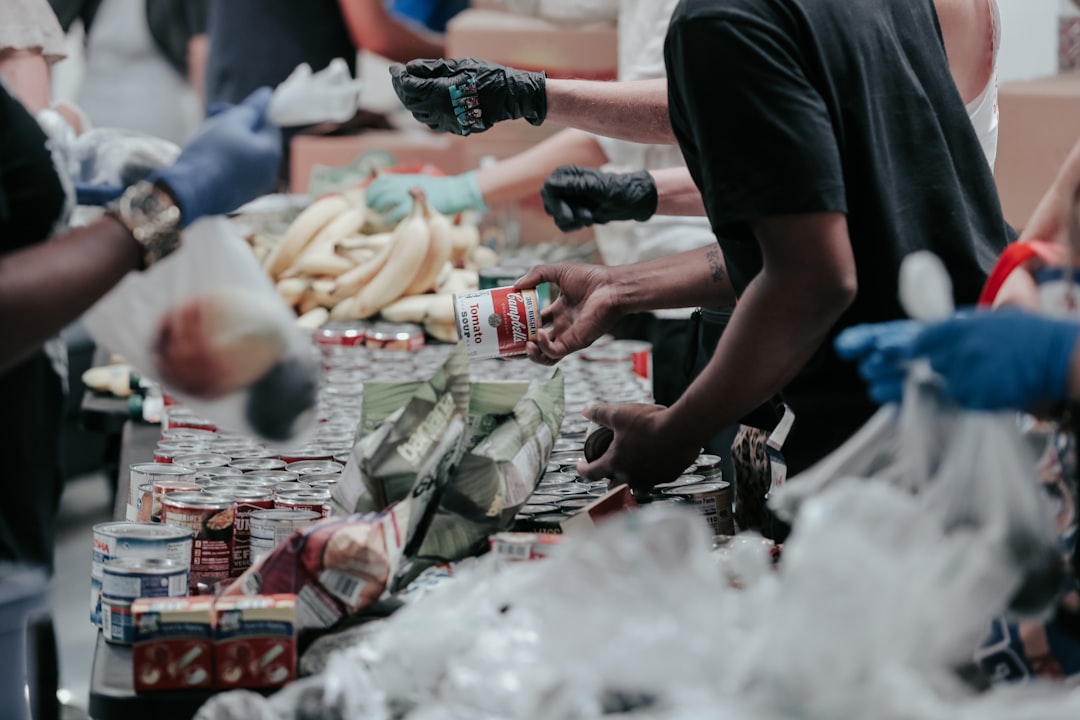
The current climate crisis has led to parched fields across the UK, with market analysts warning that this could be the most severe food security crisis in decades. The government’s failure to establish strategic food reserves exacerbates the situation, leaving the nation vulnerable to supply chain disruptions.
Britain is facing a serious food crisis, exacerbated by extreme weather conditions and geopolitical tensions that are disrupting agriculture. The government’s lack of strategic food reserves could significantly worsen the impacts of these challenges. Recent reports indicate that drought has severely affected the UK’s agricultural output, raising concerns about food availability in the coming months. George Monbiot in The Guardian highlights that this summer has brought some of the worst weather in decades, leading to parched fields that threaten the nation’s food supply.
The climate crisis has left fields dry across the UK, and market analysts warn that this could lead to the worst food security crisis in decades. This issue extends beyond the UK; farmers in Europe and the United States are facing similar challenges. For instance, U.S. wheat production is expected to drop to its lowest level since 1971, raising alarms about global food supply stability. Disruptions in one region can affect food systems worldwide, worsening the crisis in the UK.
The Urgent Need for Strategic Food Reserves
Historically, the UK maintained strategic food reserves to protect against agricultural failures and supply chain disruptions. However, since the late 1970s, the government has shifted towards a just-in-time supply system, believing that private retailers could effectively manage food stocks. This approach has proven shortsighted, as evidenced by the current crisis. Monbiot emphasizes that the government’s neglect of stockpiling essential food supplies has left the nation vulnerable to shocks in the food supply chain.
Without adequate food reserves, the UK is at risk of supply chain failures. A report from government security advisers warned of a potential catastrophic failure in the food supply by 2030, yet the government has largely ignored these warnings. Without strategic reserves, the country would lack the resources to respond effectively to a supply chain collapse, leading to serious food availability issues, especially as climate change disrupts traditional farming.
Geopolitical issues further complicate the situation. Conflicts in Ukraine and Iran have disrupted shipping routes, straining global food supply lines. As trade routes become unreliable, the UK’s reliance on food imports becomes riskier. Immediate government action is needed to create robust food reserves that could buffer against future crises. The ongoing conflict in Ukraine has already caused significant reductions in grain exports, which are vital for food production in the UK and beyond.
Immediate government action is needed to create robust food reserves that could buffer against future crises.
The changes preserve the no‑fault Personal Injury Protection (PIP) framework for medical expenses while altering property‑damage claim procedures and adjusting
The current crisis presents significant challenges for food supply chain managers. The volatility in food availability necessitates a reevaluation of inventory management strategies. With climate change affecting crop yields, managers must develop contingency plans to handle potential disruptions. A report from BBC News states that resilience in food supply chains is more critical than ever, as managers face the dual threats of climate change and geopolitical instability.
Food supply chain managers need to adopt more resilient practices, including diversifying sourcing strategies and building relationships with local producers. Such approaches can help mitigate risks from global supply chain dependencies and improve food supply stability. By fostering local partnerships, managers can create a more reliable supply chain that is less affected by international shocks.
Integrating technology into supply chain management can also enhance efficiency and responsiveness. Utilizing data analytics and predictive modeling allows managers to better anticipate disruptions and adjust their strategies accordingly. This proactive approach is essential for navigating uncertainties stemming from climate change and geopolitical tensions. Analyzing data trends can provide critical insights for informed decisions about inventory and sourcing practices.
Innovative Solutions for a Sustainable Future
As the UK government continues to neglect the establishment of strategic food reserves, food supply chain managers must find innovative solutions to address these challenges. Sustainable practices, such as regenerative agriculture techniques, can enhance long-term food security while addressing climate change impacts. Integrating sustainable practices into supply chain management supports environmental goals and strengthens food system resilience.
In light of these developments, food supply chain professionals must stay informed and adapt their strategies. The urgency of the current situation is clear; inaction could lead to widespread food shortages and rising prices. The potential for a food crisis is significant, and proactive measures are necessary to avoid a disaster that could impact millions of consumers in the UK.
In light of these developments, food supply chain professionals must stay informed and adapt their strategies.
Risks, Trade-Offs, and What Comes Next
The current food crisis in the UK underscores the urgent need for government intervention and strategic planning. As climate change disrupts agricultural productivity, establishing food reserves is crucial. The implications for food supply chain managers are significant, as they must navigate a landscape filled with uncertainty and develop strategies to ensure food supply resilience.
Frequently Asked Questions
What policies can agricultural policy analysts advocate for to address food shortages?
Agricultural policy analysts can advocate for the establishment of strategic food reserves to boost national food security. They should also support sustainable farming practices and promote local food production to reduce import dependency.
How can food supply chain managers prepare for climate-related disruptions?
Food supply chain managers can prepare by diversifying sourcing strategies and building relationships with local producers. Utilizing technology for data analytics can help anticipate disruptions and adjust inventory management.
What sustainable practices should agricultural professionals adopt to combat climate change?
Agricultural professionals should implement regenerative agriculture practices to improve soil health and resilience to climate impacts. Techniques like crop rotation, cover cropping, and reduced tillage can enhance sustainability and productivity.




News

News