No products in the cart.

Forex kitty slips below $700: What It Means Now
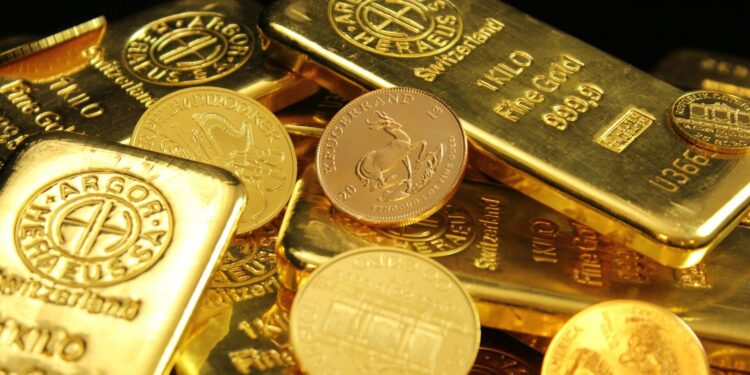
India's Forex Reserves Dip Below $700 Billion: What's Behind the Drop?

India’s Forex Reserves Dip Below $700 Billion: What’s Behind the Drop?
India’s foreign exchange reserves dropped to $698 billion in the week ended March 20, due to gold revaluation. This marked the first time they fell below $700 billion in over two months. The decline was largely attributed to a significant drop in gold reserves, which decreased by $135 billion to $117 billion, according to data from the Reserve Bank of India.
This decline in reserves reflects broader trends in the global economy, particularly fluctuations in commodity prices and geopolitical tensions that have impacted market stability.
Gold Revaluation and Its Impact
The $11.4 billion decline in forex reserves was primarily due to the 10% drop in gold prices during the period. Gold, traditionally viewed as a safe-haven asset, has seen its value fluctuate significantly in recent months due to various factors, including changes in interest rates and inflation expectations globally.
The value of foreign currency assets, however, rose by $2.1 billion to $557 billion, indicating that while gold reserves are crucial, the overall forex reserves are also supported by other assets.
The value of foreign currency assets, however, rose by $2.1 billion to $557 billion, indicating that while gold reserves are crucial, the overall forex reserves are also supported by other assets.
- Impact of Gold Price Decline: The decline in gold prices can be linked to a stronger US dollar and rising interest rates, which typically decrease the allure of non-yielding assets like gold. Investors often shift their portfolios towards assets that provide higher returns, leading to a sell-off in gold.
- Rupee Depreciation: The Indian Rupee fell to a record low of 93.73 against the US Dollar, further depreciating to 94.84, down over 3.5% year-to-date. This depreciation is a concern for the Indian economy, as it makes imports more expensive and can lead to higher inflation. The rupee’s decline is exacerbated by rising oil prices, which have surged due to geopolitical tensions, particularly in the Middle East.
How India’s Currency Is Affected
The rupee remains vulnerable to further depreciation, with traders forecasting levels as weak as 97/$1. The depreciation of the rupee has significant implications for India’s economy, as it increases the cost of imports, particularly crude oil, which is a major component of India’s import bill.
State-run banks sold dollars, likely on behalf of the central bank, but the intervention was mild, suggesting a cautious approach by the Reserve Bank of India (RBI).
You may also like
 Government & Policy
Calcutta HC Protects Pension Benefits Amid Job-Switching Issues
The case involved an employee who moved from a peon's position to a lower-grade clerk role after being selected through a different recruitment process.
Read More →
- RBI’s Limited Intervention: The RBI’s intervention strategy appears to be conservative, with state-run banks stepping in to sell dollars to stabilize the rupee. However, the limited scale of this intervention indicates that the central bank may be wary of depleting its forex reserves further.
- Expert Forecasts: Anil Bhansali, head of treasury at Finrex Treasury Advisors, suggests that 100/$ levels are a serious possibility for the rupee. This projection reflects growing concerns among traders about the rupee’s future trajectory amid ongoing economic uncertainties.
Expert Forecasts and RBI’s Next Moves
Traders anticipate further rupee depreciation due to heightened geopolitical event risk, particularly surrounding oil supply disruptions and tensions in the Middle East. The market expects RBI to closely monitor the situation and potentially intervene to stabilize the rupee.
If the rupee continues to depreciate, it could lead to higher inflation and make it more difficult for the RBI to control interest rates. The situation will be closely watched by investors and policymakers in the coming weeks.

This projection reflects growing concerns among traders about the rupee’s future trajectory amid ongoing economic uncertainties.

- Market Sentiment: The overall sentiment in the market is cautious, with many investors adopting a wait-and-see approach. The potential for further rupee depreciation could lead to increased volatility in the stock market, as companies that rely heavily on imports may face squeezed margins.
- RBI’s Strategy: The Reserve Bank of India’s intervention has decreased, and they may not want to add additional forward positions into their books. This strategy could be aimed at preserving forex reserves for future uncertainties, but it also raises concerns about the central bank’s ability to manage currency stability effectively.
- Future Outlook: The market expects RBI to take a more active role if the rupee’s decline accelerates. Analysts suggest that the central bank may need to consider interest rate adjustments or other monetary policy measures to counteract inflationary pressures stemming from a weaker rupee.
Conclusion and Future Outlook
As the Indian economy navigates these challenges, the performance of the rupee and the forex reserves will be crucial indicators of the country’s economic health. The interplay between gold prices, currency valuation, and geopolitical risks will continue to shape market dynamics.
You may also like
 Government & Policy
The Need for a Tailored AI Safety Framework in India
Industry experts advocate for a distinct AI safety framework in India that caters to its cultural and technological landscape, contrasting with existing models from the…
Read More →If the global economic environment continues to deteriorate, the RBI may need to take further action to stabilize the rupee and maintain investor confidence. In the near term, the rupee is likely to remain under pressure, and the RBI’s intervention will be critical in determining its trajectory. The central bank’s ability to manage the situation effectively will be closely watched by investors and policymakers alike, as the implications of these economic shifts could resonate throughout the broader economy.