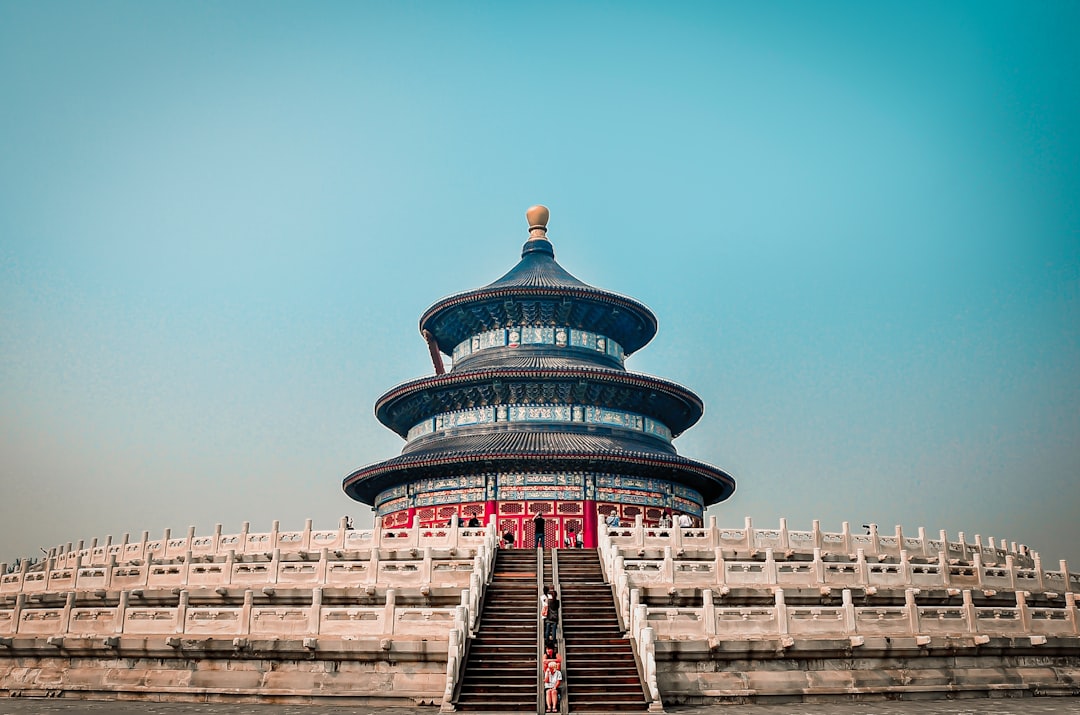
Hui Ka Yan, founder of Evergrande Group, was sentenced to life in prison for embezzlement and corporate bribery, a pivotal moment for China's troubled real estate sector.
Hui Ka Yan, the founder of China’s Evergrande Group, was sentenced to life in prison on August 20, 2026, after being convicted of embezzlement and corporate bribery. This verdict follows Evergrande’s collapse, which has significantly impacted China’s housing market and financial stability. The Shenzhen Intermediate People’s Court also imposed a fine of 8.82 billion yuan on Evergrande, with its real estate unit required to pay an additional 7 billion yuan.
This sentencing is crucial for various stakeholders in the Chinese real estate market. Investors, property developers, and regulatory bodies will all feel the repercussions. It underscores the ongoing consequences of corporate misconduct in a sector already grappling with severe financial turmoil. Once valued at over $50 billion, Evergrande was the largest property developer in China, and its downfall raises pressing questions about the sustainability of the entire real estate sector. According to BBC News, Hui’s rise from humble beginnings to leading a major company illustrates the stark contrast between ambition and accountability in corporate governance.
Shifts in Investment Strategies Following Hui’s Sentencing
The sentencing of Hui Ka Yan is expected to alter investment strategies within China’s real estate sector. Investors may adopt a more cautious approach, particularly towards companies exhibiting similar governance issues. Analysts suggest that Hui’s conviction could deter foreign investments, as potential investors may fear legal troubles and market instability. Consequently, the perception of risk in real estate is likely to increase, especially among those looking to purchase new homes.
The effects of Evergrande’s collapse are already evident in the industry, with many developers facing liquidity challenges and declining consumer confidence. The Chinese government is under mounting pressure to stabilize the housing market, and this recent development may accelerate efforts to enforce stricter regulations on corporate governance and financial transparency. As reported by AP News, Evergrande’s downfall has left millions of homebuyers in limbo, unable to secure their investments or receive the properties they paid for.
Investors may begin to shift their focus towards more financially stable companies, favoring those with robust governance practices. This shift could lead to market consolidation, where only the most resilient firms survive, while smaller developers may struggle to attract investment, exacerbating the sector’s challenges. Additionally, the emphasis on corporate governance is likely to intensify, with stakeholders demanding greater transparency and accountability from property developers. This could result in stricter regulatory frameworks that fundamentally change how companies operate in the market.
Cyber fraud is on the rise, with many individuals unknowingly becoming part of schemes that use their bank accounts as mule accounts. Understanding the implications…
The Chinese government is under mounting pressure to stabilize the housing market, and this recent development may accelerate efforts to enforce stricter regulations on corporate governance and financial transparency.
Anticipated Regulatory Changes for Property Developers
Hui Ka Yan’s life sentence may catalyze significant regulatory changes within China’s real estate sector. The Chinese government has been grappling with the fallout from Evergrande’s financial crisis, and this latest development could prompt a comprehensive review of existing laws and regulations governing property developers. Increased scrutiny of corporate practices is anticipated, with regulators likely to impose stricter compliance requirements.
Experts predict that the government might enhance transparency and accountability in financial reporting, potentially mandating regular audits and disclosures for property developers. This would ensure that investors have access to accurate and timely information regarding a company’s financial health. Furthermore, there may be a push for stronger consumer protection laws, particularly for homebuyers affected by the collapse of major developers. Reforms could prioritize consumer rights, shielding them from corporate malpractice.
The implications of these regulatory changes could be profound. Developers may encounter higher operational costs as they adapt to new compliance standards, and smaller firms might find it increasingly difficult to meet these requirements, leading to further consolidation within the industry. As these regulatory shifts unfold, property developers will need to navigate a more complex landscape, emphasizing compliance and governance in their business models.
Long-Term Effects on the Real Estate Market
As investors reassess their positions in light of Hui Ka Yan’s sentencing, they must consider the long-term ramifications for the real estate market. The focus on ethical practices and sound governance is likely to influence future investment decisions. The government’s response to this crisis will be crucial in shaping the future of the real estate market amid unprecedented turmoil.
Ultimately, Hui Ka Yan’s sentencing serves as a stark reminder of the risks associated with corporate governance in real estate. The need for transparency and ethical practices has never been more apparent. Investors and consumers are reevaluating their positions and expectations, and the future of China’s real estate market will hinge on how effectively these regulatory changes are implemented and how stakeholders adapt to the new landscape.
The launch comes at a time when media consumption patterns are rapidly changing. Viewers increasingly prefer on-demand content and real-time updates, prompting networks like Bloomberg…
As these regulatory shifts unfold, property developers will need to navigate a more complex landscape, emphasizing compliance and governance in their business models.
Frequently Asked Questions
What should real estate investors in China consider after Hui Ka Yan’s sentencing?
Investors should closely monitor regulatory changes and the evolving landscape of corporate governance, as the focus on transparency and accountability may significantly affect investment strategies.
How might property developers in Asia adjust their strategies in light of this news?
Developers may prioritize compliance with new regulations and enhance their governance practices to regain consumer and investor trust, potentially leading to higher operational costs.
What are the implications of corporate bribery cases for the real estate market?
Corporate bribery cases can undermine investor confidence and lead to stricter regulations, reshaping the industry by favoring companies with strong governance and ethical practices.




News

 News
News