No products in the cart.

Four Countries Dominate Global AI Adoption, Impacting Tech Hiring

AI adoption is highest in four countries: the United States, the United Kingdom, France, and the Netherlands, with significant implications for tech hiring on a global scale.

AI adoption is highest in four countries: the United States, the United Kingdom, France, and the Netherlands. A Goldman Sachs report from September 20, 2026, shows that these nations have AI adoption rates between 20% and 15%. This trend may reduce hiring opportunities in the tech sector, especially for entry-level jobs.
The report notes that industries exposed to automation have seen fewer job openings since late 2022. This trend is most noticeable in developed economies like the US, Germany, and Australia. As companies adopt generative AI tools, they are changing their hiring strategies. This shift has led to job losses in sectors like information technology and communication services. For example, the US has seen a significant drop in employment in these sectors, falling below long-term trends. This suggests a direct link between AI adoption and job availability.
AI Adoption: The Global Landscape
Goldman Sachs’ analysis shows that while developed economies are speeding up AI adoption, emerging markets lag behind with rates of 10% to 15%. This gap raises concerns about job creation in sectors that rely on manual labor and entry-level positions. For instance, in the US, employment in information and communication services has fallen below its long-term trend, highlighting AI’s negative impact on job availability. The report also warns that concentrated AI adoption in these four countries may widen the skills gap, as demand for AI expertise grows faster than supply.
Reports from platforms like Naukri.com and Work India show that job postings increasingly highlight the need for AI skills, marking a significant change in hiring practices across the tech industry.
Countries leading in AI use are changing their labor markets. These nations are quickly integrating AI into many sectors, reshaping the skills needed for new jobs. For example, software engineers must now have AI-related skills, as traditional roles evolve to include automation technologies. This shift changes not only the qualifications needed but also the nature of the work, as companies seek to use AI for efficiency and innovation.
As the AI landscape evolves, companies are changing their recruitment strategies. Many now prioritize candidates with specialized skills in AI and machine learning over those with traditional IT backgrounds. This shift increases demand for professionals who can effectively implement AI solutions. Reports from platforms like Naukri.com and Work India show that job postings increasingly highlight the need for AI skills, marking a significant change in hiring practices across the tech industry.
Career Ahead’s analysis indicates that this shift in hiring practices is especially tough for entry-level job seekers. Companies are focusing on experienced candidates who can handle AI tools, making it harder for fresh graduates and junior professionals to find jobs. This trend emphasizes the need for upskilling and gaining relevant AI competencies to stay competitive. Additionally, as organizations adopt AI technologies, educational institutions must adapt their curricula to include AI training.
Implications for Software Engineers and Data Scientists
The concentrated adoption of AI has significant implications for software engineers and data scientists. As companies streamline operations through AI, the demand for traditional software development roles may decline. However, the need for AI specialists will likely rise. Job descriptions are increasingly emphasizing AI skills, reflecting the industry’s shift toward automation. Software engineers will need to be familiar with AI frameworks and tools. Those who can develop, implement, and maintain AI systems will have a clear advantage. Data scientists must also adapt their skills to include machine learning and AI analytics, which are crucial for data-driven decision-making.
Data scientists must also adapt their skills to include machine learning and AI analytics, which are crucial for data-driven decision-making.
Moreover, the hiring landscape is shifting toward candidates who can show practical experience with AI technologies. As a result, educational institutions and training programs must address this skill gap. Programs that focus on hands-on experience with AI and machine learning will better prepare graduates for the job market. Interestingly, while the overall job market may slow down, opportunities for those with AI expertise remain strong. Companies are investing heavily in AI talent, creating a divide where skilled professionals thrive, while those without relevant skills struggle to find work. This trend suggests a widening skills gap in the tech sector, as noted by various reports from Randstad and other employment platforms.
The future of tech hiring will be shaped by ongoing advancements in AI technology. As companies continue to integrate AI into their operations, the demand for skilled professionals will likely exceed supply. This imbalance may lead to higher salaries and benefits for those with the right expertise, while entry-level roles may continue to shrink. In the coming years, job seekers must stay informed about the evolving AI landscape. Understanding which skills are in demand and how to acquire them will be crucial for those looking to enter or advance in the tech field. As the industry adapts, professionals must remain flexible and ready to update their skill sets to meet market needs.
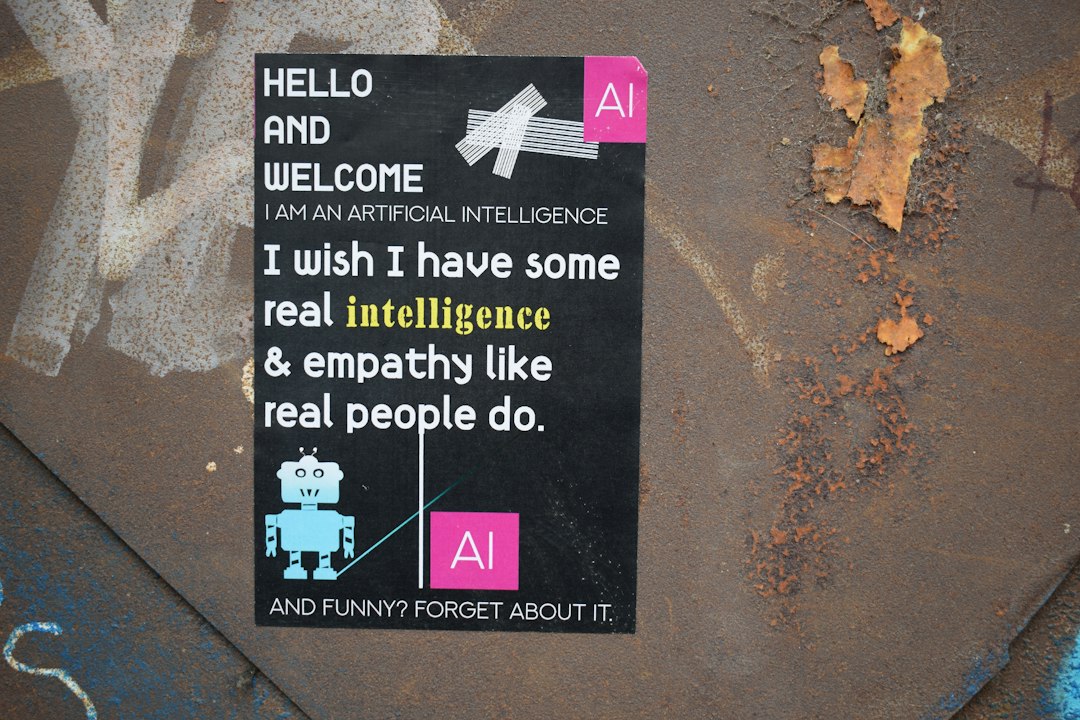
Additionally, as AI tools become more advanced, ethical considerations and regulatory challenges may arise. Companies will need to navigate these complexities while focusing on innovation and growth. This dynamic environment will require tech professionals to have not only technical skills but also a strong understanding of the ethical implications of AI deployment. Ultimately, the concentration of AI adoption in a few countries marks a pivotal moment for the tech industry. As hiring practices change and demand for AI skills rises, professionals must prepare for a landscape that rewards specialization and adaptability.
Frequently Asked Questions
What AI skills are most in demand for software engineers?
Career Ahead research shows that software engineers now need expertise in machine learning, data analysis, and AI frameworks. Companies prioritize candidates who can implement AI solutions effectively.
Career Ahead research shows that software engineers now need expertise in machine learning, data analysis, and AI frameworks.
How can data scientists adapt to the changing job market?
Data scientists can adapt by improving their skills in machine learning and AI technologies. Gaining practical experience with AI tools will make them more competitive in a job market that favors specialized knowledge.

What should IT recruiters focus on when hiring for AI roles?
IT recruiters should look for candidates with practical experience in AI and machine learning. Understanding the specific tools and frameworks relevant to the industry is crucial for finding suitable talent.
Written by Career Ahead AI. AI can make mistakes, so verify key facts. Report errors to support@careeraheadonline.com.