No products in the cart.

UPI Credit Lines Revolutionize Indian Consumer Spending

The introduction of credit lines on UPI marks a significant shift in consumer financing preferences in India, impacting how users manage their finances and make purchases.

India — The National Payments Corporation of India (NPCI) has introduced credit lines on the Unified Payments Interface (UPI). This allows users to make payments using pre-sanctioned credit instead of just their bank balance. This new feature, announced on September 18, 2026, marks a big change in the UPI ecosystem. It enhances the payment experience for millions of users.
With RuPay cards integrated into UPI, eligible users can access pre-approved credit during transactions. Consumers can now choose a credit line when making payments. This provides them with more flexibility and convenience. The NPCI aims to create a seamless credit experience through UPI, making it easier for users to manage their finances.
Understanding the Credit Line Framework
UPI credit lines fall into two categories: interest-free credit lines (CLIF) and interest-bearing credit lines (CLIB). CLIF allows users to borrow funds without interest if they repay by the due date. In contrast, CLIB starts accruing interest from the transaction date. Users must be careful with their borrowing habits.
This distinction is important for both consumers and financial analysts. Users should know the terms of their credit lines to avoid unexpected charges. Analysts must adjust their models to reflect these new borrowing behaviors. Career Ahead’s analysis shows that credit lines on UPI could increase consumer spending, especially among younger users who prefer digital payments.
The NPCI states that UPI credit can be used for various features, including merchant payments, EMI transactions, UPI AutoPay, and UPI Reserve Pay. However, there are restrictions on person-to-person transfers. This flexibility is expected to encourage more consumers to use UPI, strengthening its position as a top digital payment platform.
The NPCI states that UPI credit can be used for various features, including merchant payments, EMI transactions, UPI AutoPay, and UPI Reserve Pay.
According to righttoinformation.wiki, the credit line system aims to reduce friction at payment points, improving user experience. The NPCI has set a deadline of December 15, 2026, for UPI application providers to standardize account subtypes and reference numbers. This will ensure a smooth transition for users.
Impact on Consumer Spending Patterns
The new credit lines on UPI are likely to change consumer spending in India. With instant credit access at the point of sale, consumers may be more willing to make larger purchases. This could lead to more impulse buying, especially among younger consumers who enjoy digital transactions.
Career Ahead’s research suggests that the rise of credit lines on UPI may also change consumer debt patterns. As more users rely on credit for daily purchases, financial analysts will need to rethink their predictions about consumer behavior. Traditional spending patterns may become less relevant as credit plays a bigger role in payments.
Furthermore, as noted by outlookmoney.com, this shift could increase consumer debt if users do not manage credit wisely. Financial analysts and credit risk managers will need new methods to assess risk, considering the growing reliance on credit lines for transactions.

As UPI evolves, the effects on consumer spending and credit assessment will be significant. Analysts must keep up with these changes to provide accurate insights into consumer behavior and spending trends. Understanding how credit lines are used and their impact on financial health will be crucial.
Meanwhile, credit risk managers must create new frameworks to evaluate risks linked to this trend.
In summary, integrating credit lines on UPI is a major change in how consumers spend. Financial analysts need to adjust their assessments for the increased use of credit. Meanwhile, credit risk managers must create new frameworks to evaluate risks linked to this trend.
Looking Ahead: The Future of UPI and Consumer Credit
As UPI continues to add credit lines, the future of consumer spending in India is set for transformation. With the potential for increased spending and consumer debt, analysts must closely monitor these trends. The key question is: how will consumers adapt to this new credit landscape? What measures will financial institutions take to manage risks from increased borrowing?
The NPCI’s effort to enhance UPI with credit access could change consumer behavior significantly. As users get used to using credit for everyday transactions, the digital payments landscape in India may shift dramatically. Financial analysts and credit risk managers must prepare for a future where credit is a key part of the consumer payment experience.
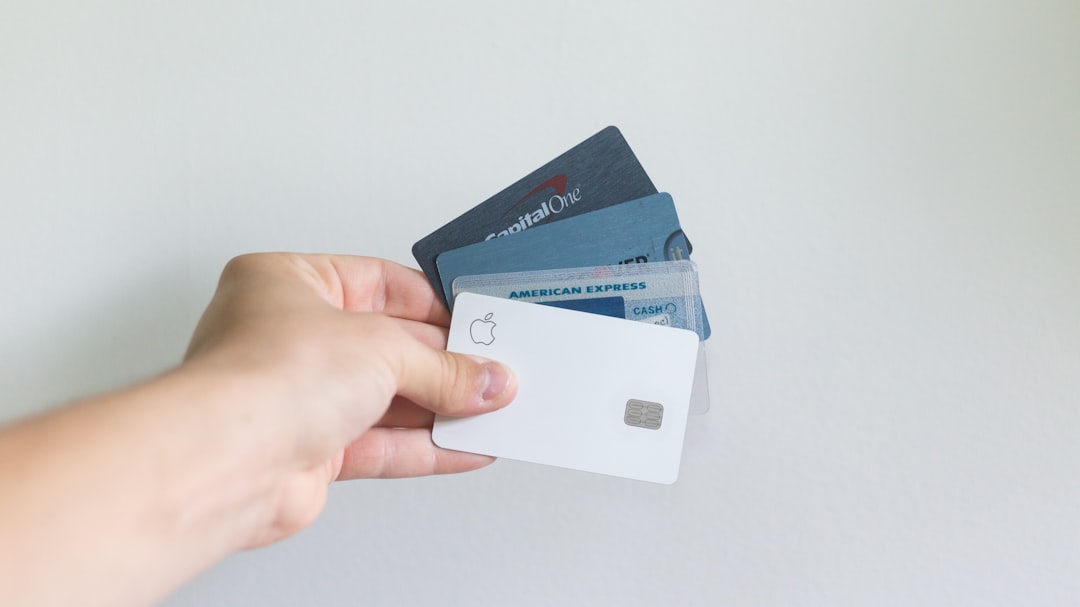
Ultimately, the success of this initiative will depend on educating consumers and promoting responsible borrowing. As users navigate this new credit landscape, their financial health is at stake. The coming months will be vital in determining how well consumers adapt to this evolving payment system and its broader economic implications.
Frequently Asked Questions
What are the implications of UPI credit lines for financial analysts?
Career Ahead’s analysis shows that financial analysts need to adjust their models for the increased reliance on credit in consumer spending. This shift may lead to changes in consumer behavior and spending patterns that analysts must monitor closely.
Career Ahead’s analysis shows that financial analysts need to adjust their models for the increased reliance on credit in consumer spending.
How should digital payment specialists adapt to the new credit offerings?
Digital payment specialists should focus on understanding the new credit line features and their effects on user behavior. This knowledge will be essential for developing strategies that enhance user engagement and promote responsible borrowing.
What should credit risk managers consider when evaluating UPI credit lines?
Credit risk managers must create new methods for assessing risk linked to the increased use of credit lines. This includes understanding consumer borrowing habits and the potential for rising debt among users.
Related Articles
- Delhivery Revenue Rises 28% Despite 65% Profit Drop
- Meesho Narrows Loss; Marketplace Revenue Jumps 48%
Written by Career Ahead AI. AI can make mistakes, so verify key facts. Report errors to support@careeraheadonline.com.