No products in the cart.

FreightWaves CEO Says Freight Recession Is Over
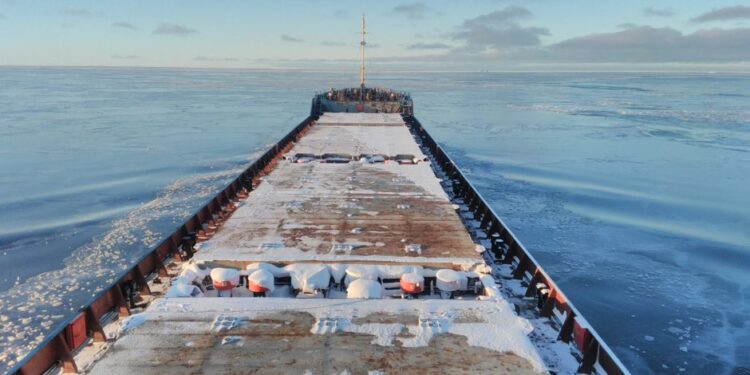
Fuller emphasized that shipping traffic has risen, and new routes, including those through the Arctic, are being utilized to bypass traditional chokepoints like the Strait of Hormuz.

FreightWaves CEO Craig Fuller announced that the freight recession ended on August 10, 2026. He pointed out a strong rebound in trucking, rail, and container volumes. This comes despite rising shipping and insurance costs due to geopolitical tensions, especially the ongoing conflict in Iran. This shift marks a key turning point for freight and logistics, affecting cost management and shipping strategies.
Fuller highlighted that shipping traffic has increased. New routes, including those through the Arctic, are now used to avoid traditional chokepoints like the Strait of Hormuz. This change reflects shifting global trade dynamics and presents new opportunities and challenges for logistics managers and shipping analysts. A report from FreightWaves shows that using Arctic routes is part of a broader strategy to reduce risks from geopolitical instability. This helps companies maintain efficiency and reliability in their supply chains.
Increased Freight Volumes Amid Geopolitical Strains
Career Ahead’s analysis shows that the rise in freight volumes occurs during significant global shipping challenges. The conflict in Iran has raised shipping and insurance costs, yet demand for freight services has surged. According to FreightWaves, this indicates resilience in the logistics sector, which may lead to innovative solutions for these challenges. Data shows trucking volumes increased by about 15% compared to the previous quarter, signaling a strong recovery.
The potential normalization of shipping rates could create a more stable pricing environment, allowing logistics professionals to plan more effectively.
Additionally, Arctic shipping routes are a game changer. These routes help shipping companies avoid congested areas and cut transit times. As more companies explore these options, logistics managers must adapt their strategies to use these new pathways effectively. Arctic routes, made more viable by climate change, could reduce shipping times by up to 30%. This offers a significant advantage in a competitive market. Insights from a recent Bloomberg report support this trend, showing companies are optimizing logistics by incorporating these new routes.
Career Ahead research indicates that this rise in freight volumes is not just temporary. It signals a broader recovery trend that could reshape logistics planning. Companies that anticipate these changes will be better positioned to manage costs and optimize supply chains. As shipping volumes grow, pressure on logistics costs may lead to a reevaluation of pricing strategies. Freight logistics managers must analyze these trends closely to maintain profitability while adapting to new market conditions. The potential normalization of shipping rates could create a more stable pricing environment, allowing logistics professionals to plan more effectively.
Implications for Shipping Costs and Logistics Strategies
The end of the freight recession has major implications for shipping costs. As volumes rise, logistics managers may find chances to negotiate better rates with carriers. However, ongoing geopolitical tensions, especially in the Middle East, pose risks that could unpredictably affect shipping costs. The FreightWaves report indicates that while the overall trend is positive, fluctuations in oil prices and regional conflicts could still cause unexpected spikes in costs.
Career Ahead’s analysis emphasizes that freight logistics managers need to stay vigilant. Monitoring geopolitical developments is crucial for understanding their impact on shipping costs. If tensions escalate, shipping rates could rise, affecting logistics budgets. Agility in logistics planning is now more critical than ever, as companies must be ready to pivot quickly in response to changing conditions.
Career Ahead’s analysis emphasizes that freight logistics managers need to stay vigilant.
Moreover, the rise in shipping volumes might change how logistics strategies are developed. Companies may need to invest in technology and analytics to optimize routes and manage costs effectively. This investment could enhance operational efficiency and provide a competitive edge in a recovering market. The increasing reliance on data analytics, as noted in the FreightWaves webinar, is essential for making informed decisions that align with market trends.
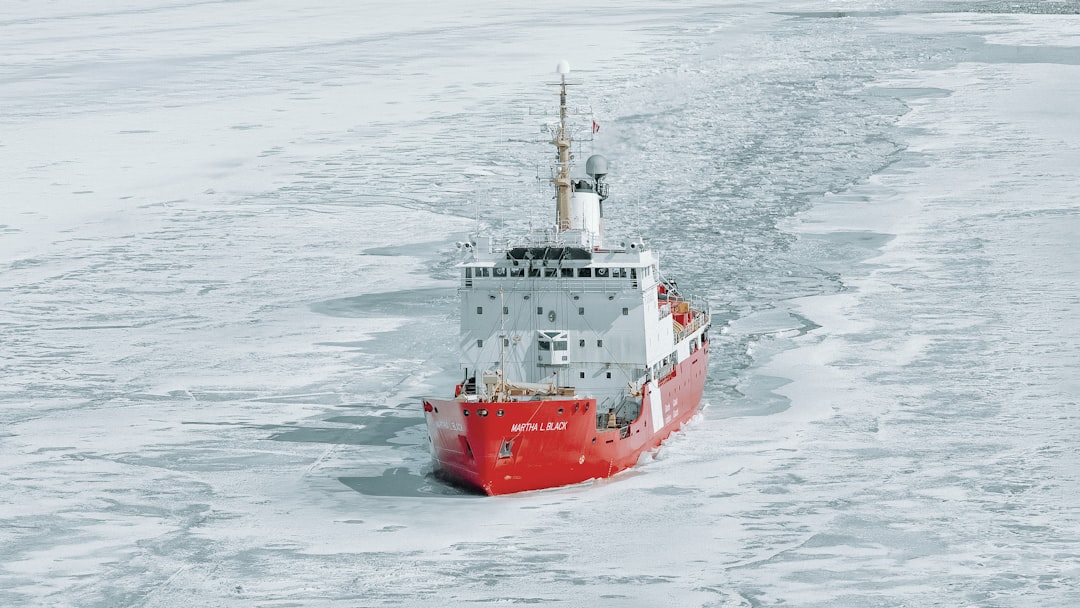
Furthermore, logistics managers should consider diversifying their shipping options. With new routes available, there is potential for reduced transit times and costs. Adapting to these changes will be vital for companies wanting to stay ahead in a dynamic market. As the freight landscape evolves, shipping industry analysts will play a key role in forecasting trends and advising companies on the best strategies to implement. Insights gained from this recovery phase will be invaluable for shaping future logistics operations.
Overall, the end of the freight recession offers a unique opportunity for logistics professionals. By staying informed and adapting to the changing landscape, they can enhance their strategies and better manage costs in a recovering market. It remains to be seen how sustainable this recovery will be amid ongoing global tensions. Will the shipping industry continue to adapt and thrive, or will unforeseen challenges arise that could disrupt this newfound stability?
Frequently Asked Questions
What strategies should freight logistics managers adopt in a recovering market?
Freight logistics managers should focus on optimizing supply chains by using new shipping routes and investing in technology for better cost management. Staying informed about geopolitical developments is also crucial for adjusting strategies.
Freight logistics managers should focus on optimizing supply chains by using new shipping routes and investing in technology for better cost management.
How can shipping industry analysts assess the impact of geopolitical events on freight volumes?
Shipping industry analysts can use data analytics to track freight volumes and link them to geopolitical events. This analysis helps forecast potential disruptions and understand market trends.

What should freight logistics managers do about rising shipping costs due to geopolitical tensions?
Logistics managers should review their shipping strategies and consider diversifying routes to reduce risks from rising costs. Regularly reviewing contracts and negotiating rates with carriers can also help manage expenses effectively.
Related Articles
- Poland’s Courts, Hospitals, Airports Face Cyber Risks
Written by Career Ahead AI. AI can make mistakes, so verify key facts. Report errors to support@careeraheadonline.com.